Overige boeken

Why do cats meow?

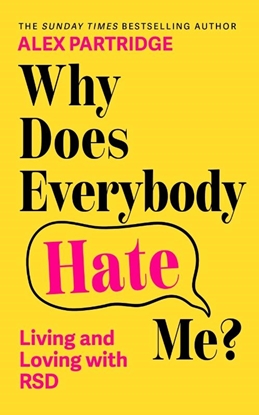
Why Does Everybody Hate Me?
You didn't sleep all weekend, and you weren't fired
Someone answered your message with a thumbs-up emoji and you just knew they hated you.
So you stopped talking to them, they eventually stopped texting, and now you miss them like crazy
Someone went for a bathroom break mid-film, and you just knew it's because they think your taste in films is terrible
You were so upset you missed the rest of the film, and they left early
Rejection is physically painful for you. Even the most minor criticism stings. And why wouldn't it? By the time you were 12, you'd received 20,000 negative messages about yourself, your brain and your unique ADHD way of living life.
20,000.
Alex Partridge knows how it feels to live with Rejection Sensitive Dysphoria (RSD), the state of emotional dysregulation experienced by almost everyone with ADHD. Throughout his journey from successful entrepreneur to neurodiversity campaigner and host of the hugely successful ADHD Chatter, Alex has been haunted by the fear of rejection, labelled 'over-sensitive', and fought constantly against the desire to people-please and protect himself from emotional harm.
In Why Does Everybody Hate Me? Alex draws on his own experience of RSD, and shares how it's colored every aspect of his life, from his days as founder of the global social media content brands UniLad and LadBible, to his adult relationships, his mental health struggles and his terrible imposter syndrome. He'll use the insights he's gained from the world's top experts on ADHD to share with you some simple steps to regaining your boundaries, your confidence and your self-belief.
You are not 'too sensitive' - nor are you broken. You were always enough. Lees meer
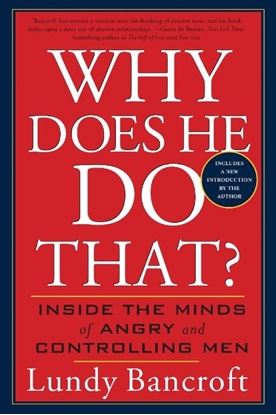
Why Does He Do That?
He says he loves you. So...why does he do that?
You’ve asked yourself this question again and again. Now you have the chance to see inside the minds of angry and controlling men—and change your life. In Why Does He Do That? you will learn about:
• The early warning signs of abuse
• The nature of abusive thinking
• Myths about abusers
• Ten abusive personality types
• The role of drugs and alcohol
• What you can fix, and what you can’t
• And how to get out of an abusive relationship safely
“This is without a doubt the most informative and useful book yet written on the subject of abusive men. Women who are armed with the insights found in these pages will be on the road to recovering control of their lives.”—Jay G. Silverman, Ph.D., Director, Violence Prevention Programs, Harvard School of Public Health Lees meer

Why Dutch Villages Look the Way They Do
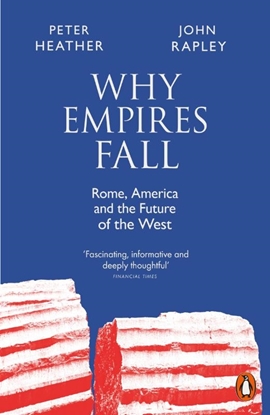
Why Empires Fall
What can the fall of Rome teach us about the decline of the West today? A historian and a political economist, both experts in their field, investigate
Over the last three centuries, the West rose to dominate the planet. Then, suddenly, around the turn of the millennium, history reversed. Faced with economic stagnation and internal political division, the West has found itself in rapid decline.
This is not the first time the global order has witnessed such a dramatic rise and fall. The Roman Empire followed a similar arc from dizzying power to disintegration - a fact that is more than a strange historical coincidence. In Why Empires Fall, historian Peter Heather and political economist John Rapley use this Roman past to think anew about the contemporary West, its state of crisis, and what paths we could take out of it.
In this exceptional, transformative intervention, Heather and Rapley explore the uncanny parallels - and productive differences - between the two cases, moving beyond the familiar tropes of invading barbarians and civilizational decay to learn new lessons from ancient history. From 399 to 1999, the life cycles of empires, they argue, sow the seeds of their inevitable destruction. The era of western global domination has reached its end - so what comes next?
Why Everything Is Getting More Expensive
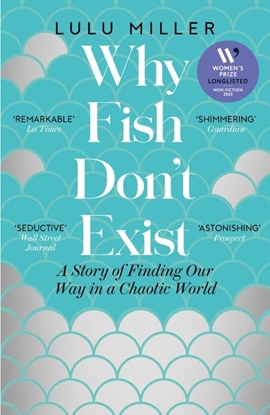
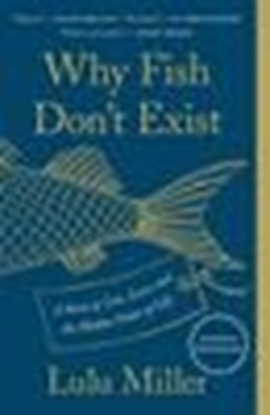
Why Fish Don't Exist
Longlisted for the Women's Prize for Non-Fiction 2025.
The profound and life-affirming memoir about finding our way in a chaotic world.
'A sumptuous, surprising, dark delight' Carmen Maria Machado
'Her book took me to strange depths I never imagined, and I was smitten' NYT
As the daughter of a scientist, Lulu Miller was taught that chaos will come for us all. There is no cosmic destiny, no grand plan. But years later, reeling from heartbreak, she stumbles upon the story of David Starr Jordan - a fearless taxonomist devoted to order.
Looking to cure her crisis of confidence, Lulu is intrigued by the hubris of this mighty biologist, who refused to admit defeat when lightning struck his laboratory and earthquakes shattered his collection. Until, digging deeper, she makes a startling discovery. One that will upend her wish for a neatly catalogued existence and reveal the profound beauty of embracing chaos.
PRAISE FOR WHY FISH DON'T EXIST:
'Shimmering' Guardian
'Astonishing' Prospect
'Compelling' The Times
'Fascinating' Daily Mail
'Revelatory' Women's Prize for Non-Fiction
'Remarkable' LA Times'Magical' Susan Orlean
'Perfect' Mary Roach
Lees meer