
Winkelwagen
Zoek
Monografie (kunst)


A Fictional Autobiography II
9789493416239
€64,50
Tweede deel van de fictieve autobiografie van kunstenaar Rinus Van de Velde Lees meer






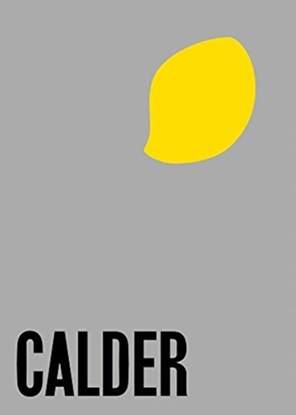
Alexander Calder: From the Stony River to the Sky
9783906915258
€41,99
This beautifully illustrated exhibition catalogue offers insights into the extraordinary life and work of Alexander Calder. Featuring over 90 works by Alexander Calder (1898–1976) including paintings, mobiles, stabiles, jewelry, domestic objects and furniture, plus six monumental outdoor sculptures, this catalog vividly illustrates a walkthrough of an ambitious exhibition in the British countryside in Somerset. Drawing a parallel with Calder’s longtime home and studio in Roxbury, Connecticut, it includes many previously unseen works. An essay by Jessica Holmes focuses on the artist’s handcrafted domestic objects, offering insight into Calder’s life and inventive practice. Susan Braeuer Dam focuses on Calder’s move to Roxbury in 1933 and the shifts in his work, drawing upon themes of nature, process and monumentality, specifically as related to the 1934 sculptures surveyed here. Lees meer

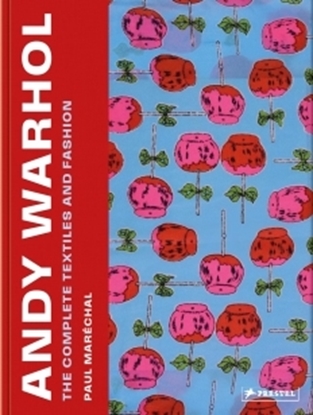
Andy Warhol
9783791376547
€59,99
This visually stunning book is the first to document Andy Warhol’s graphically charged and occasionally whimsical work in textiles and fashion in their entirety.
Spanning more than three decades, this book highlights a little-known but influential aspect of Warhol’s creative output: his inventive use of printed fabrics and wearable design. From roller-printed cottons and border patterns in the 1950s to screen-printed garments in the ’70s and ’80s, these works reveal the foundations of his Pop aesthetic.
The book showcases Warhol’s collaborations with manufacturers and designers, including projects with Stephen Sprouse, Halston, and Interview magazine. It also includes promotional pieces, garments made from his textiles, and rare ephemera that place these creations within the broader context of mid-century and postmodern design.
Warhol expert Paul Maréchal offers fresh insight into how these works blurred the line between art and commerce, long before artist–brand collaborations became the norm. His engaging text repositions Warhol not as a conventional fashion figure, but as a visual innovator who reimagined how patterns, products, and popular culture could intersect.
These early textile creations mark a crucial step in Warhol’s artistic development, serving as the origin of the serialization that would later define his œuvre. Lees meer
Spanning more than three decades, this book highlights a little-known but influential aspect of Warhol’s creative output: his inventive use of printed fabrics and wearable design. From roller-printed cottons and border patterns in the 1950s to screen-printed garments in the ’70s and ’80s, these works reveal the foundations of his Pop aesthetic.
The book showcases Warhol’s collaborations with manufacturers and designers, including projects with Stephen Sprouse, Halston, and Interview magazine. It also includes promotional pieces, garments made from his textiles, and rare ephemera that place these creations within the broader context of mid-century and postmodern design.
Warhol expert Paul Maréchal offers fresh insight into how these works blurred the line between art and commerce, long before artist–brand collaborations became the norm. His engaging text repositions Warhol not as a conventional fashion figure, but as a visual innovator who reimagined how patterns, products, and popular culture could intersect.
- Rich in detail and visual flair this book is essential for all admirers of Warhol.
- Featuring over 200 illustrations, many of which have been previously unpublished.
- Highlights a lesser-known aspect of Warhol’s creative output from throughout his career.
- Warhol’s designs appeared on everyday items he purchased off the rack and transformed.
- Anyone interested in the crosscurrents of art, clothing, and design will delight in this book.
These early textile creations mark a crucial step in Warhol’s artistic development, serving as the origin of the serialization that would later define his œuvre. Lees meer

Andy Warhol
9783791377650
€59,99
Andy Warhol’s continuous pursuit of ideal beauty—visible in a body of his work that is brought here together for the first time.
Andy Warhol is arguably one of the most widely known and discussed artists of the twentieth century. While his depictions of consumer products and celebrities led him to become household famous, there is a red thread throughout his career, starting even in the late forties until his untimely death in 1987. In the eighties Warhol was continuously searching to visualize an ideal of beauty, male beauty, finding form and creating lasting images of what he desired. He visualized and therefore eternalized this continuous pursuit of ideal beauty.
From the early line and blotted line drawings to his screen tests and moving image experiments in the sixties, the torso paintings in the seventies through his collaborations with Jean-Michel Basquiat, there is a continuous search to express an ideal of male beauty. During his lifetime these works were either considered inappropriate, immoral, deviant or even pornographic and therefore illegal. Many of these works never received the public exposure and recognition that they deserve. Neue Nationalgalerie is for the first time putting together a large survey focusing on this thematic and central aspect throughout Warhol’s different production phases and stages of career. This publication offers an insight into a Warhol, that during his lifetime never had a real “coming-out”.
Warhol died in 1987 at the age of only 58. He left behind an incredibly complex and influential body of work, which during his lifetime never experienced the open acceptance that we now have to look at these specific bodies of work. Lees meer

