
- Home
- IVIO Boeken
- Basisonderwijs
-
Voortgezet (speciaal) onderwijs
- Hoger onderwijs
- NT2 / Talen
-
Algemene boeken
- Back
-
Kinderboeken
- Back
- Leren lezen
- Naslagwerken, woordenboek, atlas (< 12 jaar)
- Seksualiteit/voorlichting (< 12 jaar)
- Strips voor kinderen (geen informatieve strips)
- Prentenboeken (> 6 jaar)
- Verhalen en sprookjes
- Kunst en cultuur (< 12 jaar)
- Sport, spel (< 12 jaar)
- Moppen en raadsels (< 12 jaar)
- Wereldoriëntatie, landen, volkeren (< 12 jaar)
- Kookboeken (< 12 jaar)
- Wetenschap (> 12 jaar)
- Ruimte en sterrenkunde (> 12 jaar)
- Kaartenmaken
- Hobbyboeken (> 12 jaar)
-
Overige boeken
- Back
-
Overige boeken
- Back
- Antroposofie
- Literaire fictie algemeen
- Fantasy
- Theologie algemeen
- Sociale filosofie
- Filosofie algemeen
- Historische biografieën
- Koningshuizen
- Speel- en leerboeken (< 12 jaar)
- Spiritualiteit
- Fietsen
- Vertaalde literaire roman, novelle
- Natuur, plant, dier (< 12 jaar)
- Mens en maatschappij (< 12 jaar)
- Educatieve uitgaven algemeen
- Privaatrecht en Mediation
- Uitklapboeken
- Literaire roman, novelle
- Kunsttheorie
- Mens en maatschappij algemeen
- Grammatica, lexicografie, rijmboeken, schrijfhulp, taalvaardigheid
- Softwarepakketten (boeken over...)
- Non-fictie kinderboeken (< 12 jaar)
- Fictie 10 - 12 jaar
- Geschiedenis algemeen
- Thriller
- Psychologie algemeen
- Oosterse filosofie
- Geloofsopbouw
- Islam
- Personeel en Organisatie
- Mens en maatschappij HAVO/VWO
- Besturingsprogramma's
- Strips algemeen
- Recht algemeen
- Theater-, film- en televisiewetenschap algemeen
- Briefwisselingen literaire auteurs
- Fictie 7 - 9 jaar
- Biografieën literaire auteurs
- Regionaal algemeen
- Algemene sociale wetenschappen
- Europese overzeese expansie
- Geneeskunde algemeen
- Specialistische geneeskunde: interne geneeskunde
- Moeilijk lezen
- Fictie 13 - 15 jaar
- Exacte vakken en informatica HAVO/VWO
- Fiscaal recht
- Elektrotechniek
- Verhalenbundels
- Literaire non-fictie algemeen
- Reisgidsen Afrika
- Eten en drinken algemeen
- Esoterie algemeen
- Wiskunde algemeen
- Godsdienstwijsbegeerte en ethiek
- Fictie 4 - 6 jaar
- Non-fictie informatief/algemeen
- Waargebeurde verhalen
- Bouwkunst, architectuur
- Ontwikkelingspsychologie
- Luchtvaart- en ruimtetechniek
- Oudheid (tot 500)
- Foto, film, video en geluid (als hobby)
- Wandelgidsen
- Productie, inkoop, logistiek
- Alternatieve geneeswijze algemeen (populair)
- Huisdieren
- Gezondheidsvakken, lichamelijke oefening en verzorgingsvakken algemeen
- Computerboeken (< 12 jaar)
- Dieetboeken
- Marketing
- Sterrenkunde
- Bijbelwetenschappen
- Natuurbeheer
- Staats- en bestuursrecht
- Arbeids- en sociale zekerheidsrecht
- Naslagwerken algemeen
- Industrieel ontwerpen
- New Age
- Sport en spel algemeen
- Peuterboeken
- Prentenboeken (< 6 jaar)
- Statistiek en methodologie
- Communicatiekunde algemeen
- Rouwverwerking
- Talen algemeen
- Onderwijskunde
- Gezondheid algemeen
- Bloemlezingen
- Beeldende kunst
- Fotografie, film, video als kunstvormen
- Toegepaste communicatiekunde (bv artsen/verpleegkundigen & patiënten, leerkrachten/ouders)
- Strips voor algemeen publiek (8-80 jaar)
- Strafrecht en strafprocesrecht
- Gezondheidsvakken, lichamelijke oefening en verzorgingsvakken Branchegerichte opleidingen
- Exacte vakken en informatica BVE-sector (= MBO + volwassenen educatie)
- Seksualiteit
- Klassieke oudheid (teksten)
- Reisgidsen Europa
- Kleuterboeken
- Astrologie
- Poëzie
- Muziek algemeen
- Taal HAVO/VWO
- Non-fictie vrije tijd/algemeen
- Specialistische geneeskunde: algemeen
- Humor
- Politicologie
- Kunst algemeen
- Populaire fictie algemeen
- Bedrijfseconomie
- Geschiedenis (< 12 jaar)
- Rijmpjes, versjes, liedjes
- Zwangerschap en opvoeding algemeen (populair)
- Wijn en dranken
- Media en computercommunicatie
- Kinderboeken algemeen
- Natuur populair algemeen
- Tuinontwerpen
- Biologie algemeen
- Handwerken, naaien en naaldkunst (als hobby)
- Psychotherapie en andere therapieën
- Cultuurfilosofie
- Vaderlandse geschiedenis
- Informatica & management
- Spannende boeken algemeen
- Muziekgeschiedenis
- Specialistische natuurgidsen
- Bestuurs- en beleidskunde
- Algemene economie
- Detective
- Minderheden, racisme, vluchtelingen
- Geld- / bank- / krediet- en verzekeringswezen
- Pedagogiek
- Creatief denken
- Buitenlandse talen, letterkunde en cultuur algemeen
- Lifestyle algemeen
- Meditatie
- Computercursussen
- Literaire thriller
- Mens en maatschappij (> 12 jaar)
- Hobbyboeken (< 12 jaar)
- Fictie kinder- en jeugdboeken algemeen
- Stadssociologie
- Basisschool: vaardigheden
- Politieke geschiedenis en geschiedenis van de internationale betrekkingen
- Pastoraat
- Insecten
- Reisverhalen
- Kunstzinnige vorming algemeen
- Hobby's algemeen
- Kerkboeken/gebedenboeken, psalmen- en gezangbundels
- Literaire essays
- Oosterse oefeningen (yoga, tai-chi e.d.)
- Sportverhalen
- Internationaal (publiek)recht
- Paramedisch algemeen
- Watersporten
- Treinen
- Mode
- Fotoboeken
- Bedrijfskunde algemeen
- Kerk- en dogmengeschiedenis
- Nederlandse taal en letterkunde algemeen
- Alternatieve geneeswijzen (professioneel)
- Muziek populair
- Bomen en heesters
- Senioren
- Fictie 15+
- Muziekinstrumenten en techniek
- Technische en nautische vakken BVE-sector (= MBO + volwassenen educatie)
- Romantiek
- Multiculturalisme
- PR & voorlichting
- Exacte vakken en informatica HOGER ONDERWIJS
- Moderne geschiedenis (1870-heden)
- Basis kookboeken
- Programmeertalen
- Welzijnswerk
- Fietsgidsen
- Oorlog en vrede
- Biografieën van kunstenaars
- Verslavingsvraagstukken
- Godsdienstige mystiek
- Kinderboeken diversen
- Evolutie
- Internet
- Hardware
- Gebundelde columns en interviews
- Economie en bedrijf algemeen
- Regionale cultuur
- Taal BVE-sector ( MBO + volwassenen educatie)
- Middeleeuwen (500-1500)
- Literatuurgeschiedenis van de lage landen
- Gezondheid (< 12 jaar)
- Maritiem
- Reizen algemeen
- Cadeauboeken algemeen
- Monografie (kunst)
- Taal en cultuur algemeen
- Literatuurwetenschap
- Poëzie 6 - 9 jaar
- Oosterse religies waaronder boeddhisme en hindoeïsme
- Landbouw en natuurlijke omgeving algemeen
- Bergsporten
- Biografieën podiumkunsten
- Vertaalde verhalenbundels
- Balspelen
- Antiek
- Poëzie kinderen en jongeren algemeen
- Maatschappijgeschiedenis
- Biografieën van musici
- Erotiek
- Spelen, spelletjes
- Toegepaste webdesign
- Overige religies
- Reisgidsen Azië
- Luisterboeken
- Bouwkunde
- Streek- en familieromans
- Historische roman (populair)
- Science fiction
- Solliciteren
- Auto's
- Muziek (< 12 jaar)
- Bewegingstherapie, ergo- en arbeidstherapie
- Techniek (< 12 jaar)
- Systeemanalyse en -theorie
- Vormgeving en design
- Cultuursociologie
- Nieuwe geschiedenis (1500-1870)
- Muziekwetenschap
- Emancipatie
- Toneel-, theater- en filmteksten, ook scenario's
- Realistische strips voor volwassenen
- Geschiedkundige strips
- Ondernemingsrecht
- Esoterische en spirituele roman
- Biografieën film en televisie
- Religie en kinderbijbels (< 12 jaar)
- Cultuur- en mentaliteitsgeschiedenis
- Toepassingsgerichte wiskunde
- Flora algemeen
- Godsdienstwetenschappen
- Vegetarische kookboeken
- Cartoons
- Toegepaste kunst
- Zending/evangelisatie
- Sportgeneeskunde
- Accommodatiegidsen
- Taal & Cursussen (cd-rom)
- Vogels
- Sinterklaas- en kerstboeken (< 12 jaar)
- Exacte wetenschappen/natuurwetenschappen algemeen
- Theatergeschiedenis
- True Crime
- Bladmuziek
- Civiele techniek
- Denksporten (schaken/dammen)
- Bier
- Omgevingswetenschappen
- Keuken per land en streek
- Volkssprookjes, sagen en legenden
- Tekenen, schilderen, kalligrafie
- Tentoonstellingscatalogus
- Taalkunde
- Naslagwerken (muziek)
- Geschiedenis van de filosofie
- Pockets algemeen
- Gedichten (populair)
- Sportbiografieën
- Accountancy en administratie
- Zwangerschap en geboorte
- Databases
- Gebundelde literaire columns
- (Sociale) geografie algemeen
- Fictie overig algemeen
- Wetenschapsfilosofie, logica en kentheorie
- Journalistiek
- Hotel- en restaurantgidsen
- Woninginrichting
- Verkeerskunde
- Natuurkunde algemeen
- Bijbelse handboeken
- Medische handboeken (populair)
- Sociaal economische geschiedenis
- Regionale en stadsgeschiedenis
- Arbeidspsychologie
- Algemene letteren
- Non-fictie kinderboeken (> 12 jaar)
- Biografieën over filosofen
- Niet-westerse geschiedenis
- Tuinieren
- Koken en apparatuur
- Economische biografieën
- Gezondheid (> 12 jaar)
- Economie, recht en bedrijfskunde HAVO/VWO
- Franse taal, letterkunde en cultuur
- Geloofsopvoeding
- Didactiek
- Energietechniek
- Reisgidsen Noord-Amerika
- Kamerplanten
- Taal Hoger Onderwijs
- Archeologie
- Algemene natuurwetenschappen
- Schoonheidsverzorging
- Sport met dieren
- Occultisme
- Beleggen
- Namenboeken
- Dierwetenschappen
- Gesproken tekst voor kinderen en jongeren (cd-tape)
- (Instrumentele) vaardigheden algemeen
- Seksualiteit/voorlichting (> 12 jaar)
- Muziektheorie
- Informatieve stripverhalen (> 12 jaar)
- Reisgidsen Zuid-Amerika
- Economie, recht en bedrijfskunde BVE-sector (= MBO + volwassenen educatie)
- Vissen
- Theoretische geschiedenis
- Sociale psychologie
- Reisgidsen algemeen
- Taalonderwijskunde
- Praktische filosofie
- Criminologie
- Economische geografie
- Moestuin
- Reisgidsen Midden-Amerika
- Avonturenroman
- Onderhandelen en vergaderen
- Citaatboeken
- Taal VMBO
- Sport, spel (> 12 jaar)
- Reisgidsen Australië en Nieuw-Zeeland
- Beroepenvoorlichting
- Diergeneeskunde
- Natuurgidsen algemeen
- Jodendom
- Exacte vakken en informatica algemeen
- Parapsychologie
- Onderwijsvormen en schooltypen
- Engelse taal, letterkunde en cultuur
- Duitse taal, letterkunde en cultuur
- Literatuurgeschiedenis buitenland
- Oorlogs- en verzetsroman
- Cultuurwetenschappen algemeen
- Religieuze poëzie
- Taalgidsen
- Bijbels
- Wilde planten
- Museumstudies
- Kinderen en jongeren (cd-rom)
- Vertaalde pockets
- Fitness en conditie
- (Instrumentele) vaardigheden VMBO
- Houtbewerking en restauratie (als hobby)
- Posters
- Inmaken, conserveren
- Regionale sagen en legenden
- Film en televisie
- Fysische geografie
- Fauna algemeen
- (Instrumentele) vaardigheden HAVO/VWO
- Geneesmiddelen algemeen
- Technische en nautische vakken algemeen
- Taalbeheersing
- Verzorging baby's en peuters
- Geografische informatiesystemen/cartografie
- Culturele antropologie algemeen
- Geologie
- Vechtsporten
- Puzzelboeken
- Muziek klassiek
- Griezel- en spookverhalen, horror
- Economie, recht en bedrijfskunde VMBO
- Literaire tijdschriften
- Geschiedenis (> 12 jaar)
- Landinrichting
- Naslagwerken, woordenboek, atlas (> 12 jaar)
- Internationale financiële economie
- Zoogdieren
- Ruimte en sterrenkunde (< 12 jaar)
- E-handel
- Humanistiek
- Organisatieantropologie
- Pockets populaire fictie
- Topografische kaarten
- Politieke en culturele geografie
- Kookboeken (> 12 jaar)
- Sociaal ruimtelijke wetenschappen
- Beeldende kunsttechnieken
- Algemene encyclopedieën
- Pockets non-fictie
- Verzamelen
- Anatomie en fysiologie
- Sociologie van beleidsprocessen
- Regionale geografie
- Economie, recht en bedrijfskunde algemeen
- Non-boeken met een laag BTW-tarief
- Luchtvaart
- Boekwetenschappen algemeen
- Natuur, plant, dier (> 12 jaar)
- Biochemie
- Internationale ontwikkelingsstudies
- Kunstbeleid- en management
- Algemene jaarboeken (geschiedenis)
- Landbouwgeschiedenis
- Geografie van stad en platteland
- Jeugd
- Gezondheidsvakken, lichamelijke oefening en verzorgingsvakken VMBO
- Geriatrie
- Werktuigbouwkunde
- CD-ROM algemeen
- Mens en maatschappij BVE-sector (= MBO + volwassenen educatie)
- Specialistische woordenboeken (ook etymologisch woordenboek)
- Relaties (boeken over echtscheiding)
- Muziekbeoefening (als hobby)
- Theoretische filosofie
- Gezondheidsvakken, lichamelijke oefening en verzorgingsvakken BVE-sector (= MBO + volwassenen educatie)
- Plant- en gewaswetenschappen
- Campinggidsen
- Taal ASO (algemeen secundair onderwijs)
- Civiele technologie en management
- Fiscale economie
- Medische biologie
- Pockets literaire fictie
- Reisgidsen Benelux
- Sociale en historische antropologie
- Klinische psychologie
- Gidsen met motor- of autoroutes
- Theoretische natuurkunde
- Aardwetenschappen algemeen
- Scheikunde algemeen
- Cel- en moleculaire biologie
- Geografische atlassen
- Medische woordenboeken
- Mens en maatschappij VMBO
- Technische en nautische vakken VMBO
- Archiefwetenschap
- Psychologische testen en onderzoek
- Organisatiepsychologie
- Kunst en cultuur (> 12 jaar)
- Doe-het-zelf
- Basisschool: mens/maatschappij
- Informatiekunde
- Financiële econometrie
- Poëzie 10 - 12 jaar
- Bloemschikken en groendecoraties
- Laboratoriumtechniek
- Tuinplanten
- Installatietechniek
- Organische chemie
- Pockets spanning
- Poëzie 13 - 15 jaar
- Formulieren en opbergmiddelen
- Econometrie
- Materiaalkunde
- Technische en nautische vakken Branchegerichte opleidingen
- Massageboeken
- Bedrijfsinformatietechnologie
- Tijdschriften laag BTW-tarief (niet-literair)
- (Instrumentele) vaardigheden BVE-sector (= MBO + volwassenen educatie)
- Radio
- Theatertheorie en -techniek
- Museumgids
- Metaalbewerking (als hobby)
- Motoren, bromfietsen
- Levensmiddelentechnologie
- Informatietechniek
- Spionageroman
- Poëzie 15 jaar en ouder
- Mens en maatschappij Branchegerichte opleidingen
- Video algemeen
- Medische technische informatica
- Elektrotechniek (populair)
- Exacte vakken en informatica VMBO
- Reclame
- Moppen en raadsels (> 12 jaar)
- Technische en nautische vakken ASO (algemeen secundair onderwijs)
- Vervoerstechniek
- Economie, recht en bedrijfskunde Branchegerichte opleidingen
- Etiquette
- Maritieme techniek
- Theoretische informatica
- Fundamentele wiskunde
- Muziek (> 12 jaar)
- Kunstmatige intelligentie
- Kunst & Cultuur (cd-rom)
- Regionale gedenkboeken
- Computerboeken (> 12 jaar)
- Almanakken
- Economie, recht en bedrijfskunde BSO (beroeps secundair onderwijs)
- I Tjing
- Geluidstechniek
- Kunstzinnige vorming VMBO
- Milieugeografie
- Meteorologie en fysische oceanografie
- Biomedische technologie
- Kunstzinnige vorming HAVO/VWO
- Datacommunicatie en netwerken
- Tijdschriften hoog BTW-tarief (niet-literair)
- Autotechniek
- Kunstzinnige vorming HOGER ONDERWIJS
- Milieugezondheidskunde
- Technische en nautische vakken TSO (technisch secundair onderwijs)
- (Instrumentele) vaardigheden Branchegerichte opleidingen
- Computationele natuurkunde
- Kunstzinnige vorming Branchegerichte opleidingen
- Functieleer
- Scheepsbouwkunde
- Taal Branchegerichte opleidingen
- Magnetron-kookboeken
- Stadsplattegronden
- Albums en dagboeken
- Exacte vakken en informatica ASO (algemeen secundair onderwijs)
- Informatieve stripverhalen (< 12 jaar)
- Mens en maatschappij ASO (algemeen secundair onderwijs)
- Sportgeneeskunde
- Hydrologie
- Theoretische literatuurwetenschap
- Geochemie
- Economie, recht en bedrijfskunde ASO (algemeen secundair onderwijs)
- Reizen & Route (cd-rom)
- GAM019000
- Mens en maatschappij TSO (technisch secundair onderwijs)
- Taal BSO (beroeps secundair onderwijs)
- Mens en maatschappij KSO (kunst secundair onderwijs)
- Kunstzinnige vorming ASO (algemeen secundair onderwijs)
- PSY071000
- COM100000
- BUS083000
- Vijvers
- PHO011000
- PER004030
- ARC005000
- ART004000
- PSY062000
- Gezondheidsvakken, lichamelijke oefening en verzorgingsvakken HAVO/VWO
- TRA004020
- SCI104000
- Grafische techniek
- Winkelgidsen
- Geofysica
- Alternatieve rechtsbedeling en slachtofferhulp
- Algemeen
-
Onderwijs, Management & Beroepen
- Back
-
Wetenschappelijke boeken
- Back
- Management algemeen
- Leidinggeven, coachen
- Orthopedagogiek
- Sociologie algemeen
- Bewegingswetenschappen
- Andragogie
- Iconologie
- Mediëvistiek
- Basisschool: talen
- Milieutechniek en milieutechnische wetenschappen
- (Bio)chemische techniek
- Reptielen en amfibieën
- Economie, recht en bedrijfskunde KSO (kunst secundair onderwijs)
-
Studieboeken
- Back
- Basisschool algemeen
- Gezondheidswetenschappen / Medische en socio-medische wetenschappen
- Verpleegkunde en ziekenverzorging
- Onderwijs & opvoeding
- Medische handboeken (professioneel)
- Opvoeding van kinderen en jongeren
- Letterkunde
- Technische wetenschappen algemeen
- Informatica algemeen
- Economie, recht en bedrijfskunde HOGER ONDERWIJS
- Technische en nautische vakken HOGER ONDERWIJS
- Sportorganisatie, -begeleiding en -verzorging (professioneel) - incl. sportmassage
- Agogiek
- Specialistische geneeskunde: psychiatrie
- Gezondheidsvakken, lichamelijke oefening en verzorgingsvakken HOGER ONDERWIJS
- Spaanse taal, letterkunde en cultuur
- Assisterende beroepen en laboratorium
- Geestelijke gezondheidszorg
- Woordenboeken
- Lichamelijke opvoeding en sportonderwijs in onderwijssetting
- Massacommunicatie
- Fysiotherapie
- Mechanica
- Wijsgerige en historische pedagogiek
- Interculturele communicatie
- Logopedie
- Dieet- en voedingsleer
- Techniek (> 12 jaar)
- Wereldoriëntatie, landen, volkeren (> 12 jaar)
- Mijnbouw
- Sociale kennistheorie & ethiek
- Farmacie, farmacotherapie
- Specialistische geneeskunde: chirurgie
- Kaakchirurgie en mondziekten
- Mens en maatschappij HOGER ONDERWIJS
- Basisschool: exacte vakken en informatica
- Computertechniek
- Mens en maatschappij BSO (beroeps secundair onderwijs)
- Basisschool: kunstzinnige vorming
- Economie, recht en bedrijfskunde TSO (technisch secundair onderwijs)
- Exacte vakken en informatica BSO (beroeps secundair onderwijs)
- Exacte vakken en informatica Branchegerichte opleidingen
- Wiskundige economie
- Experimentele natuurkunde
- Technische en nautische vakken HAVO/VWO
- (Instrumentele) vaardigheden HOGER ONDERWIJS
- Exacte vakken en informatica TSO (technisch secundair onderwijs)
- Technische en nautische vakken BSO (beroeps secundair onderwijs)
- Taal TSO (technisch secundair onderwijs)
- Multimedia algemeen
- Tandheelkunde & Orthodontie
- Geloofsovertuigingen
- Natuur & Reizen
-
Leesboeken & Stripboeken
- Back
- Fictie & Non-Fictie
- Hobby's & Sporten
- Over IVIO-Boeken
- Zoek
- Mijn account
- Contact
Overige boeken

Wide Sargasso Sea
One of the BBC's '100 Novels That Shaped Our World'
'Rhys took one of the works of genius of the 19th Century and turned it inside-out to create one of the works of genius of the 20th Century' Michele Roberts
Jean Rhys's masterpiece tells the story of Jane Eyre's 'madwoman in the attic', Bertha Rochester.
Born into the oppressive, colonialist society of 1930s Jamaica, white Creole heiress Antoinette Cosway meets a young Englishman who is drawn to her innocent beauty and sensuality. After their marriage, however, disturbing rumours begin to circulate which poison her husband against her. Caught between his demands and her own precarious sense of belonging, Antoinette is inexorably driven towards madness, and her husband into the arms of another novel's heroine. This classic study of betrayal, a seminal work of postcolonial literature, is Jean Rhys's brief, beautiful masterpiece.
Edited with an introduction and notes by Angela Smith

Widows
In Japanese, the word for widow – a woman who has outlived her husband – literally translates as ‘she who has not yet died.’ For millennia, widows have lived on the margins of society: banished to the wilderness, silenced, and shrouded in black or white. Across cultures, laws and local customs have maligned them as witches, dependants or objects of pity.
In some traditions, widows are expected to remarry within the husband’s family, or even – in extreme cases – commit self-immolation – expectations not placed on men. Yet widowhood has also brought unexpected freedoms: financial, social and sexual autonomy denied to married women. In medieval Europe, widows owned property and ran businesses; in India’s Maratha courts, they wielded political influence long before married women could.
Drawing on sources from Ancient Egypt and Greece to Africa, the Americas and beyond, cultural historian Mineke Schipper explores widowhood as both oppression and liberation. Widows reveals one of feminism’s last great taboos, and the story of women the world has long refused to see.



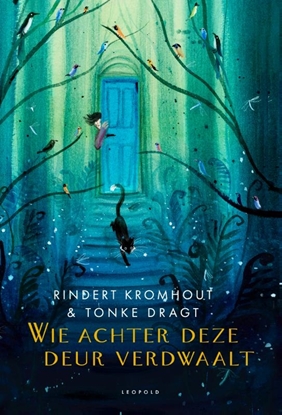
Wie achter deze deur verdwaalt

Wie adverteert een moord?

Overige boeken
-
Overige boeken
- Antroposofie
- Literaire fictie algemeen
- Fantasy
- Theologie algemeen
- Sociale filosofie
- Filosofie algemeen
- Historische biografieën
- Koningshuizen
- Speel- en leerboeken (< 12 jaar)
- Spiritualiteit
- Fietsen
- Vertaalde literaire roman, novelle
- Natuur, plant, dier (< 12 jaar)
- Mens en maatschappij (< 12 jaar)
- Educatieve uitgaven algemeen
- Privaatrecht en Mediation
- Uitklapboeken
- Literaire roman, novelle
- Kunsttheorie
- Mens en maatschappij algemeen
- Grammatica, lexicografie, rijmboeken, schrijfhulp, taalvaardigheid
- Softwarepakketten (boeken over...)
- Non-fictie kinderboeken (< 12 jaar)
- Fictie 10 - 12 jaar
- Geschiedenis algemeen
- Thriller
- Psychologie algemeen
- Oosterse filosofie
- Geloofsopbouw
- Islam
- Personeel en Organisatie
- Mens en maatschappij HAVO/VWO
- Besturingsprogramma's
- Strips algemeen
- Recht algemeen
- Theater-, film- en televisiewetenschap algemeen
- Briefwisselingen literaire auteurs
- Fictie 7 - 9 jaar
- Biografieën literaire auteurs
- Regionaal algemeen
- Algemene sociale wetenschappen
- Europese overzeese expansie
- Geneeskunde algemeen
- Specialistische geneeskunde: interne geneeskunde
- Moeilijk lezen
- Fictie 13 - 15 jaar
- Exacte vakken en informatica HAVO/VWO
- Fiscaal recht
- Elektrotechniek
- Verhalenbundels
- Literaire non-fictie algemeen
- Reisgidsen Afrika
- Eten en drinken algemeen
- Esoterie algemeen
- Wiskunde algemeen
- Godsdienstwijsbegeerte en ethiek
- Fictie 4 - 6 jaar
- Non-fictie informatief/algemeen
- Waargebeurde verhalen
- Bouwkunst, architectuur
- Ontwikkelingspsychologie
- Luchtvaart- en ruimtetechniek
- Oudheid (tot 500)
- Foto, film, video en geluid (als hobby)
- Wandelgidsen
- Productie, inkoop, logistiek
- Alternatieve geneeswijze algemeen (populair)
- Huisdieren
- Gezondheidsvakken, lichamelijke oefening en verzorgingsvakken algemeen
- Computerboeken (< 12 jaar)
- Dieetboeken
- Marketing
- Sterrenkunde
- Bijbelwetenschappen
- Natuurbeheer
- Staats- en bestuursrecht
- Arbeids- en sociale zekerheidsrecht
- Naslagwerken algemeen
- Industrieel ontwerpen
- New Age
- Sport en spel algemeen
- Peuterboeken
- Prentenboeken (< 6 jaar)
- Statistiek en methodologie
- Communicatiekunde algemeen
- Rouwverwerking
- Talen algemeen
- Onderwijskunde
- Gezondheid algemeen
- Bloemlezingen
- Beeldende kunst
- Fotografie, film, video als kunstvormen
- Toegepaste communicatiekunde (bv artsen/verpleegkundigen & patiënten, leerkrachten/ouders)
- Strips voor algemeen publiek (8-80 jaar)
- Strafrecht en strafprocesrecht
- Gezondheidsvakken, lichamelijke oefening en verzorgingsvakken Branchegerichte opleidingen
- Exacte vakken en informatica BVE-sector (= MBO + volwassenen educatie)
- Seksualiteit
- Klassieke oudheid (teksten)
- Reisgidsen Europa
- Kleuterboeken
- Astrologie
- Poëzie
- Muziek algemeen
- Taal HAVO/VWO
- Non-fictie vrije tijd/algemeen
- Specialistische geneeskunde: algemeen
- Humor
- Politicologie
- Kunst algemeen
- Populaire fictie algemeen
- Bedrijfseconomie
- Geschiedenis (< 12 jaar)
- Rijmpjes, versjes, liedjes
- Zwangerschap en opvoeding algemeen (populair)
- Wijn en dranken
- Media en computercommunicatie
- Kinderboeken algemeen
- Natuur populair algemeen
- Tuinontwerpen
- Biologie algemeen
- Handwerken, naaien en naaldkunst (als hobby)
- Psychotherapie en andere therapieën
- Cultuurfilosofie
- Vaderlandse geschiedenis
- Informatica & management
- Spannende boeken algemeen
- Muziekgeschiedenis
- Specialistische natuurgidsen
- Bestuurs- en beleidskunde
- Algemene economie
- Detective
- Minderheden, racisme, vluchtelingen
- Geld- / bank- / krediet- en verzekeringswezen
- Pedagogiek
- Creatief denken
- Buitenlandse talen, letterkunde en cultuur algemeen
- Lifestyle algemeen
- Meditatie
- Computercursussen
- Literaire thriller
- Mens en maatschappij (> 12 jaar)
- Hobbyboeken (< 12 jaar)
- Fictie kinder- en jeugdboeken algemeen
- Stadssociologie
- Basisschool: vaardigheden
- Politieke geschiedenis en geschiedenis van de internationale betrekkingen
- Pastoraat
- Insecten
- Reisverhalen
- Kunstzinnige vorming algemeen
- Hobby's algemeen
- Kerkboeken/gebedenboeken, psalmen- en gezangbundels
- Literaire essays
- Oosterse oefeningen (yoga, tai-chi e.d.)
- Sportverhalen
- Internationaal (publiek)recht
- Paramedisch algemeen
- Watersporten
- Treinen
- Mode
- Fotoboeken
- Bedrijfskunde algemeen
- Kerk- en dogmengeschiedenis
- Nederlandse taal en letterkunde algemeen
- Alternatieve geneeswijzen (professioneel)
- Muziek populair
- Bomen en heesters
- Senioren
- Fictie 15+
- Muziekinstrumenten en techniek
- Technische en nautische vakken BVE-sector (= MBO + volwassenen educatie)
- Romantiek
- Multiculturalisme
- PR & voorlichting
- Exacte vakken en informatica HOGER ONDERWIJS
- Moderne geschiedenis (1870-heden)
- Basis kookboeken
- Programmeertalen
- Welzijnswerk
- Fietsgidsen
- Oorlog en vrede
- Biografieën van kunstenaars
- Verslavingsvraagstukken
- Godsdienstige mystiek
- Kinderboeken diversen
- Evolutie
- Internet
- Hardware
- Gebundelde columns en interviews
- Economie en bedrijf algemeen
- Regionale cultuur
- Taal BVE-sector ( MBO + volwassenen educatie)
- Middeleeuwen (500-1500)
- Literatuurgeschiedenis van de lage landen
- Gezondheid (< 12 jaar)
- Maritiem
- Reizen algemeen
- Cadeauboeken algemeen
- Monografie (kunst)
- Taal en cultuur algemeen
- Literatuurwetenschap
- Poëzie 6 - 9 jaar
- Oosterse religies waaronder boeddhisme en hindoeïsme
- Landbouw en natuurlijke omgeving algemeen
- Bergsporten
- Biografieën podiumkunsten
- Vertaalde verhalenbundels
- Balspelen
- Antiek
- Poëzie kinderen en jongeren algemeen
- Maatschappijgeschiedenis
- Biografieën van musici
- Erotiek
- Spelen, spelletjes
- Toegepaste webdesign
- Overige religies
- Reisgidsen Azië
- Luisterboeken
- Bouwkunde
- Streek- en familieromans
- Historische roman (populair)
- Science fiction
- Solliciteren
- Auto's
- Muziek (< 12 jaar)
- Bewegingstherapie, ergo- en arbeidstherapie
- Techniek (< 12 jaar)
- Systeemanalyse en -theorie
- Vormgeving en design
- Cultuursociologie
- Nieuwe geschiedenis (1500-1870)
- Muziekwetenschap
- Emancipatie
- Toneel-, theater- en filmteksten, ook scenario's
- Realistische strips voor volwassenen
- Geschiedkundige strips
- Ondernemingsrecht
- Esoterische en spirituele roman
- Biografieën film en televisie
- Religie en kinderbijbels (< 12 jaar)
- Cultuur- en mentaliteitsgeschiedenis
- Toepassingsgerichte wiskunde
- Flora algemeen
- Godsdienstwetenschappen
- Vegetarische kookboeken
- Cartoons
- Toegepaste kunst
- Zending/evangelisatie
- Sportgeneeskunde
- Accommodatiegidsen
- Taal & Cursussen (cd-rom)
- Vogels
- Sinterklaas- en kerstboeken (< 12 jaar)
- Exacte wetenschappen/natuurwetenschappen algemeen
- Theatergeschiedenis
- True Crime
- Bladmuziek
- Civiele techniek
- Denksporten (schaken/dammen)
- Bier
- Omgevingswetenschappen
- Keuken per land en streek
- Volkssprookjes, sagen en legenden
- Tekenen, schilderen, kalligrafie
- Tentoonstellingscatalogus
- Taalkunde
- Naslagwerken (muziek)
- Geschiedenis van de filosofie
- Pockets algemeen
- Gedichten (populair)
- Sportbiografieën
- Accountancy en administratie
- Zwangerschap en geboorte
- Databases
- Gebundelde literaire columns
- (Sociale) geografie algemeen
- Fictie overig algemeen
- Wetenschapsfilosofie, logica en kentheorie
- Journalistiek
- Hotel- en restaurantgidsen
- Woninginrichting
- Verkeerskunde
- Natuurkunde algemeen
- Bijbelse handboeken
- Medische handboeken (populair)
- Sociaal economische geschiedenis
- Regionale en stadsgeschiedenis
- Arbeidspsychologie
- Algemene letteren
- Non-fictie kinderboeken (> 12 jaar)
- Biografieën over filosofen
- Niet-westerse geschiedenis
- Tuinieren
- Koken en apparatuur
- Economische biografieën
- Gezondheid (> 12 jaar)
- Economie, recht en bedrijfskunde HAVO/VWO
- Franse taal, letterkunde en cultuur
- Geloofsopvoeding
- Didactiek
- Energietechniek
- Reisgidsen Noord-Amerika
- Kamerplanten
- Taal Hoger Onderwijs
- Archeologie
- Algemene natuurwetenschappen
- Schoonheidsverzorging
- Sport met dieren
- Occultisme
- Beleggen
- Namenboeken
- Dierwetenschappen
- Gesproken tekst voor kinderen en jongeren (cd-tape)
- (Instrumentele) vaardigheden algemeen
- Seksualiteit/voorlichting (> 12 jaar)
- Muziektheorie
- Informatieve stripverhalen (> 12 jaar)
- Reisgidsen Zuid-Amerika
- Economie, recht en bedrijfskunde BVE-sector (= MBO + volwassenen educatie)
- Vissen
- Theoretische geschiedenis
- Sociale psychologie
- Reisgidsen algemeen
- Taalonderwijskunde
- Praktische filosofie
- Criminologie
- Economische geografie
- Moestuin
- Reisgidsen Midden-Amerika
- Avonturenroman
- Onderhandelen en vergaderen
- Citaatboeken
- Taal VMBO
- Sport, spel (> 12 jaar)
- Reisgidsen Australië en Nieuw-Zeeland
- Beroepenvoorlichting
- Diergeneeskunde
- Natuurgidsen algemeen
- Jodendom
- Exacte vakken en informatica algemeen
- Parapsychologie
- Onderwijsvormen en schooltypen
- Engelse taal, letterkunde en cultuur
- Duitse taal, letterkunde en cultuur
- Literatuurgeschiedenis buitenland
- Oorlogs- en verzetsroman
- Cultuurwetenschappen algemeen
- Religieuze poëzie
- Taalgidsen
- Bijbels
- Wilde planten
- Museumstudies
- Kinderen en jongeren (cd-rom)
- Vertaalde pockets
- Fitness en conditie
- (Instrumentele) vaardigheden VMBO
- Houtbewerking en restauratie (als hobby)
- Posters
- Inmaken, conserveren
- Regionale sagen en legenden
- Film en televisie
- Fysische geografie
- Fauna algemeen
- (Instrumentele) vaardigheden HAVO/VWO
- Geneesmiddelen algemeen
- Technische en nautische vakken algemeen
- Taalbeheersing
- Verzorging baby's en peuters
- Geografische informatiesystemen/cartografie
- Culturele antropologie algemeen
- Geologie
- Vechtsporten
- Puzzelboeken
- Muziek klassiek
- Griezel- en spookverhalen, horror
- Economie, recht en bedrijfskunde VMBO
- Literaire tijdschriften
- Geschiedenis (> 12 jaar)
- Landinrichting
- Naslagwerken, woordenboek, atlas (> 12 jaar)
- Internationale financiële economie
- Zoogdieren
- Ruimte en sterrenkunde (< 12 jaar)
- E-handel
- Humanistiek
- Organisatieantropologie
- Pockets populaire fictie
- Topografische kaarten
- Politieke en culturele geografie
- Kookboeken (> 12 jaar)
- Sociaal ruimtelijke wetenschappen
- Beeldende kunsttechnieken
- Algemene encyclopedieën
- Pockets non-fictie
- Verzamelen
- Anatomie en fysiologie
- Sociologie van beleidsprocessen
- Regionale geografie
- Economie, recht en bedrijfskunde algemeen
- Non-boeken met een laag BTW-tarief
- Luchtvaart
- Boekwetenschappen algemeen
- Natuur, plant, dier (> 12 jaar)
- Biochemie
- Internationale ontwikkelingsstudies
- Kunstbeleid- en management
- Algemene jaarboeken (geschiedenis)
- Landbouwgeschiedenis
- Geografie van stad en platteland
- Jeugd
- Gezondheidsvakken, lichamelijke oefening en verzorgingsvakken VMBO
- Geriatrie
- Werktuigbouwkunde
- CD-ROM algemeen
- Mens en maatschappij BVE-sector (= MBO + volwassenen educatie)
- Specialistische woordenboeken (ook etymologisch woordenboek)
- Relaties (boeken over echtscheiding)
- Muziekbeoefening (als hobby)
- Theoretische filosofie
- Gezondheidsvakken, lichamelijke oefening en verzorgingsvakken BVE-sector (= MBO + volwassenen educatie)
- Plant- en gewaswetenschappen
- Campinggidsen
- Taal ASO (algemeen secundair onderwijs)
- Civiele technologie en management
- Fiscale economie
- Medische biologie
- Pockets literaire fictie
- Reisgidsen Benelux
- Sociale en historische antropologie
- Klinische psychologie
- Gidsen met motor- of autoroutes
- Theoretische natuurkunde
- Aardwetenschappen algemeen
- Scheikunde algemeen
- Cel- en moleculaire biologie
- Geografische atlassen
- Medische woordenboeken
- Mens en maatschappij VMBO
- Technische en nautische vakken VMBO
- Archiefwetenschap
- Psychologische testen en onderzoek
- Organisatiepsychologie
- Kunst en cultuur (> 12 jaar)
- Doe-het-zelf
- Basisschool: mens/maatschappij
- Informatiekunde
- Financiële econometrie
- Poëzie 10 - 12 jaar
- Bloemschikken en groendecoraties
- Laboratoriumtechniek
- Tuinplanten
- Installatietechniek
- Organische chemie
- Pockets spanning
- Poëzie 13 - 15 jaar
- Formulieren en opbergmiddelen
- Econometrie
- Materiaalkunde
- Technische en nautische vakken Branchegerichte opleidingen
- Massageboeken
- Bedrijfsinformatietechnologie
- Tijdschriften laag BTW-tarief (niet-literair)
- (Instrumentele) vaardigheden BVE-sector (= MBO + volwassenen educatie)
- Radio
- Theatertheorie en -techniek
- Museumgids
- Metaalbewerking (als hobby)
- Motoren, bromfietsen
- Levensmiddelentechnologie
- Informatietechniek
- Spionageroman
- Poëzie 15 jaar en ouder
- Mens en maatschappij Branchegerichte opleidingen
- Video algemeen
- Medische technische informatica
- Elektrotechniek (populair)
- Exacte vakken en informatica VMBO
- Reclame
- Moppen en raadsels (> 12 jaar)
- Technische en nautische vakken ASO (algemeen secundair onderwijs)
- Vervoerstechniek
- Economie, recht en bedrijfskunde Branchegerichte opleidingen
- Etiquette
- Maritieme techniek
- Theoretische informatica
- Fundamentele wiskunde
- Muziek (> 12 jaar)
- Kunstmatige intelligentie
- Kunst & Cultuur (cd-rom)
- Regionale gedenkboeken
- Computerboeken (> 12 jaar)
- Almanakken
- Economie, recht en bedrijfskunde BSO (beroeps secundair onderwijs)
- I Tjing
- Geluidstechniek
- Kunstzinnige vorming VMBO
- Milieugeografie
- Meteorologie en fysische oceanografie
- Biomedische technologie
- Kunstzinnige vorming HAVO/VWO
- Datacommunicatie en netwerken
- Tijdschriften hoog BTW-tarief (niet-literair)
- Autotechniek
- Kunstzinnige vorming HOGER ONDERWIJS
- Milieugezondheidskunde
- Technische en nautische vakken TSO (technisch secundair onderwijs)
- (Instrumentele) vaardigheden Branchegerichte opleidingen
- Computationele natuurkunde
- Kunstzinnige vorming Branchegerichte opleidingen
- Functieleer
- Scheepsbouwkunde
- Taal Branchegerichte opleidingen
- Magnetron-kookboeken
- Stadsplattegronden
- Albums en dagboeken
- Exacte vakken en informatica ASO (algemeen secundair onderwijs)
- Informatieve stripverhalen (< 12 jaar)
- Mens en maatschappij ASO (algemeen secundair onderwijs)
- Sportgeneeskunde
- Hydrologie
- Theoretische literatuurwetenschap
- Geochemie
- Economie, recht en bedrijfskunde ASO (algemeen secundair onderwijs)
- Reizen & Route (cd-rom)
- GAM019000
- Mens en maatschappij TSO (technisch secundair onderwijs)
- Taal BSO (beroeps secundair onderwijs)
- Mens en maatschappij KSO (kunst secundair onderwijs)
- Kunstzinnige vorming ASO (algemeen secundair onderwijs)
- PSY071000
- COM100000
- BUS083000
- Vijvers
- PHO011000
- PER004030
- ARC005000
- ART004000
- PSY062000
- Gezondheidsvakken, lichamelijke oefening en verzorgingsvakken HAVO/VWO
- TRA004020
- SCI104000
- Grafische techniek
- Winkelgidsen
- Geofysica
- Alternatieve rechtsbedeling en slachtofferhulp
- Algemeen
