Winkelwagen
Zoek
Overige boeken

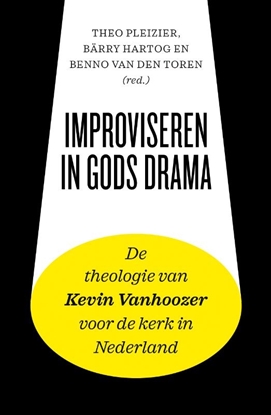
Improviseren in Gods drama
9789043537995
€24,99
Nederlandse theologen vertalen Kevin Vanhoozers frisse, orthodoxe geluid naar de Nederlandse context. Lees meer

Imprudent King – A New Life of Philip II
9780300216950
€27,99
A vast archive of documents, unread since the sixteenth century, revises the portrait of Philip II, Spain’s best-known king"A superbly informed narrative of Philip II’s long career as Europe’s most powerful king."—Henry Kamen, Little Reviews"This authoritative, intelligently revisionist biography must stand now as the primary reference."—Iain Finlayson, The Times Philip II (1527-1598) is not only the most famous king in Spanish history, but one of the most famous monarchs in English history: the man who married Mary Tudor and later launched the Spanish Armada against her sister Elizabeth I. This compelling biography of the most powerful European monarch of his day begins with his conception (1526) and ends with his ascent to Paradise (1603), two occurrences surprisingly well documented by contemporaries. Eminent historian Geoffrey Parker draws on four decades of research on Philip as well as a recent, extraordinary archival discovery—a trove of 3,000 documents in the vaults of the Hispanic Society of America in New York City, unread since crossing Philip’s own desk more than four centuries ago. Many of them change significantly what we know about the king. The book examines Philip’s long apprenticeship; his three principal interests (work, play, and religion); and the major political, military, and personal challenges he faced during his long reign. Parker offers fresh insights into the causes of Philip’s leadership failures: was his empire simply too big to manage, or would a monarch with different talents and temperament have fared better? Lees meer


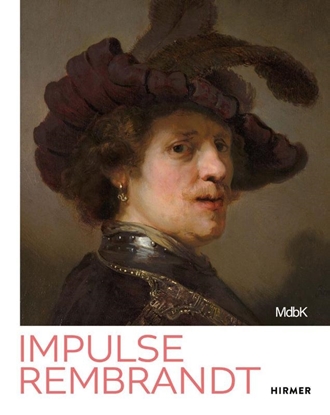
Impulse Rembrandt
9783777443768
€51,99
The lasting influence of a master of Dutch painting.
More than any other artist, the painter Rembrandt developed charisma through the outstanding quality and originality of his works and the organization of his workshop. His pupils and successors continued his style as the Rembrandt brand with an appeal that has remained unbroken to this day. This book poses the question: Why did Rembrandts art both affect contemporary painters and attract generations of collectors and present-day viewers?
This magnificent volume examines the great masters remarkable talent for portraying emotions and passions, his sketch-like openness, and his focus on essentials. Further, it explores his ability to pass on the particular features of his painting style while at the same time encouraging the artistic individuality of his pupils. Through some 120 paintings, drawings, and etchings by Rembrandt and his pupils, this book affords fascinating insights into Dutch painting in the seventeenth century.
Lees meer