
Beeldende kunst
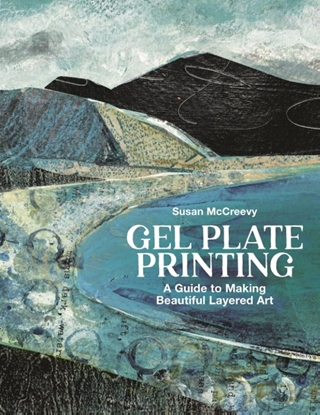
Gel Plate Printing
An inspiring guide to creating beautiful art through gel plate printing, collage and painting.
Embark on a journey into the addictive world of gel plate printing and explore the endless creative possibilities that this form of monoprinting offers with experienced mixed media artist Susan McCreevy as your guide. Without the need to be in a printmaker’s studio the reusable gel plates allow you to print without a press using easy-to-source materials such as stencils, household objects, flowers and leaves.
Six nature-inspired, beginner-friendly projects take you beyond simple prints and patterns as you discover striking new techniques for image transfer. Through clever layering techniques, with a focus on creating beautiful botanical artwork, Susan demonstrates how to create dynamic abstract background prints with depth and complexity using collagraphs and hand-drawn elements. Other projects will invite you to explore mixed media ideas through stitching, creating a 3D concertina book and a beautiful handmade art journal. You will also learn how to protect and present your work professionally.
With stunning photography of both Susan’s work and that of 5 contemporary artists, alongside clear step-by-step instructions, you will soon be making prints that will help you explore, experiment and create something truly your own.
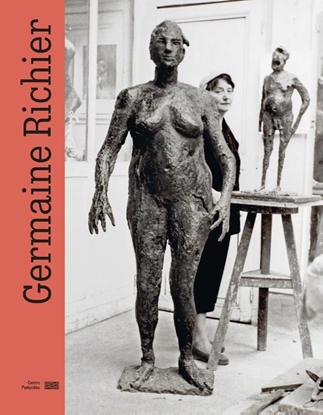
Germaine Richier
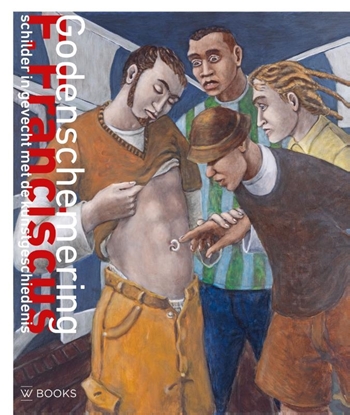
Godenschemering

Govert Flinck (1615-1660)

Grayson Perry: The Pre-Therapy Years


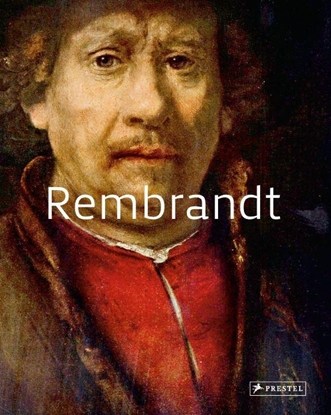


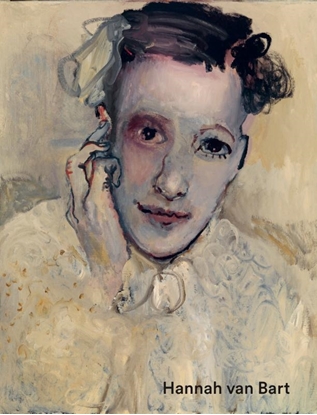

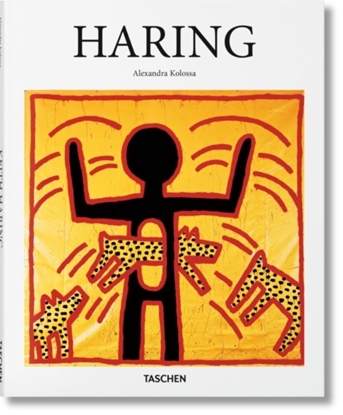
Haring
One of the key figures in the New York art world of the 1980s, Keith Haring (1958–1990) created a signature style that blended street art, graffiti, a Pop sensibility, and cartoon elements to unique, memorable effect. With thick black outlines, bright colors, and kinetic figures, his public (and occasionally illegal) interventions, sculptures, and works on canvas and paper have become instantly recognizable icons of 20th-century visual culture.
From his first chalk drawings in the New York City subway stations, to his renowned “Radiant Baby” symbol, and his commissions for Swatch Watch and Absolut Vodka, Haring’s work was both emblematic of the manic work ethic of 1980s New York, yet distinctive for its social awareness. Belying their bright, playful aesthetics, his pieces often tackled intensely controversial socio-political issues, including racism, capitalism, religious fundamentalism, and the increasing impact of AIDS on New York’s gay community, the latter foreshadowing his own death from the disease in 1990.
In this vivid introduction to Haring’s work, we explore the dynamic life and innovative spirit of this singular artist, who spent little more than a decade in the spotlight, but through the accessibility of his visual vocabulary and the strength of his political commitment became one of the most significant artists to emerge from New York’s vibrant, downtown community.

Heaven on Earth
In this latest work, now available in paperback, respected art historian T.J. Clark sets out to investigate the different ways painters have depicted the dream of God’s kingdom come: heaven descended to earth.
Clark goes back to the late Middle Ages and Renaissance—to Giotto in Padua; Pieter Bruegel facing the horrors of religious war; Nicolas Poussin painting the Sacraments; and Paolo Veronese unfolding the human comedy, in particular his inscrutable Allegory of Love. Was it ultimately to painting’s advantage that in an age of orthodoxy and enforced censorship—threats of hellfire, burnings at the stake—artists found ways to reflect on the powers and limitations of religion without putting their thoughts into words? Clark takes the reader on a journey starting in the Middle Ages to the nuclear age with Pablo Picasso’s Fall of Icarus, made for UNESCO in 1958, where Picasso powerfully pictures art in an age when all futures are dead.
Lees meer