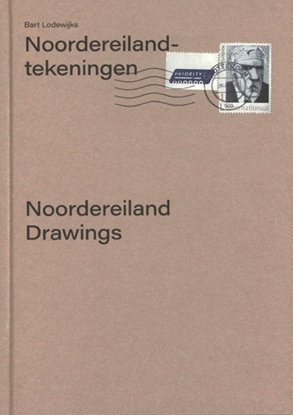
Beeldende kunst
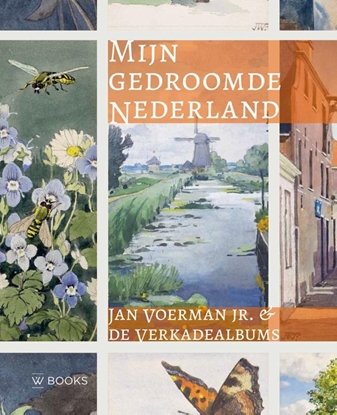
Mijn gedroomde Nederland
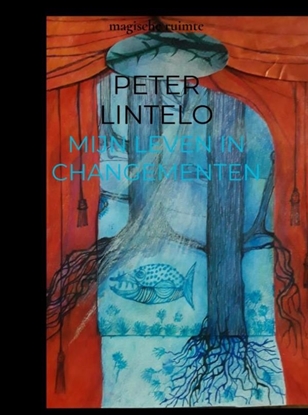

Mijn Man zaligers liefhebberije
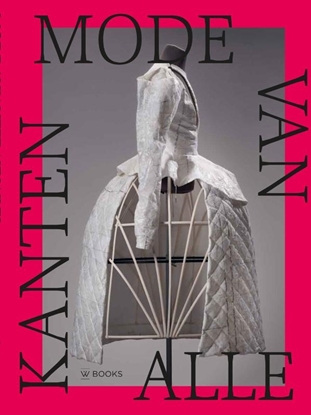
Mode van alle kanten
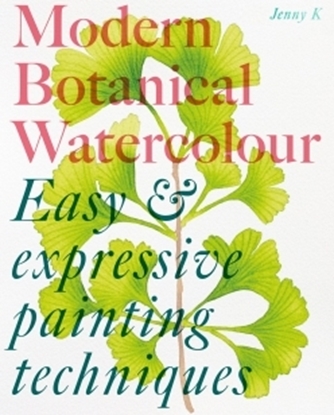
Modern Botanical Watercolour Painting

Mondrian
A key figure in the international avant-garde, Piet Mondrian (1872–1944) was at once an extraordinary painter and leading art theoretician whose influence resonates to this day. Coining the term “Neo-plasticism”, he pursued a style of painting composed only of primary colors against a grid of black vertical and horizontal lines and a white base background.
Mondrian’s vision was that this essential painting would help to achieve a society in which art as such has no place, but rather exists for the total realization of “beauty.” With stints in Amsterdam, Paris, London, and New York, Mondrian drew upon the modern metropolis and modern music, especially jazz, as points of inspiration. In 1917, he cofounded De Stijl, originally a publication, and subsequently a circle of practitioners, committed to a strictly geometrical art of horizontals and verticals.
With key works and succinct texts, this introductory book presents Mondrian's distinctive and pioneering oeuvre, an abiding inspiration for fashion, art, architecture, and design, from White Stripes album covers to Yves Saint Laurent dresses.
2016 © US Mondrian/Holtzman Trust



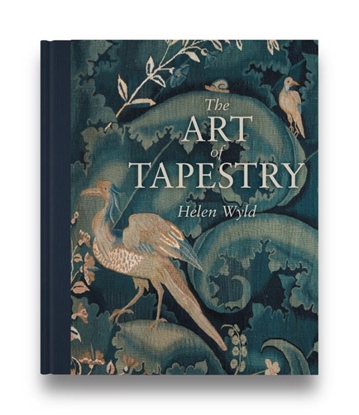
National Trust Series The Art of Tapestry
Extensively illustrated, this is the first accessible publication on the history of tapestry in over two decades.
Woven with dazzling images from history, mythology and the natural world, and breath-taking in their craftsmanship, tapestries were among the most valuable and high-status works of art available in Europe from the medieval period to the end of the eighteenth century. Over 600 historic examples hang in National Trust properties in England and Wales – the largest collection in the UK.
This beautifully illustrated study by tapestry expert Helen Wyld, in association with the National Trust, offers new insights into these works, from the complex themes embedded in their imagery, to long-forgotten practices of sacred significance and ritual use. The range of historical, mythological and pastoral themes that recur across the centuries is explored, while the importance of the 'revival' of tapestry from the late nineteenth century is considered in detail for the first time. Although focussed on the National Trust's collection, this book offers a fresh perspective on the history of tapestry across Europe.
Both the tapestry specialist and the keen art-history enthusiast can find a wealth of information here about woven wall hangings and furnishings, including methods of production, purchase and distribution, evolving techniques and technologies, the changing trends of subject matter across time, and how tapestries have been collected, used and displayed in British country houses across the centuries.

Nieuwe Haagse School 1945-1975