Beeldende kunst
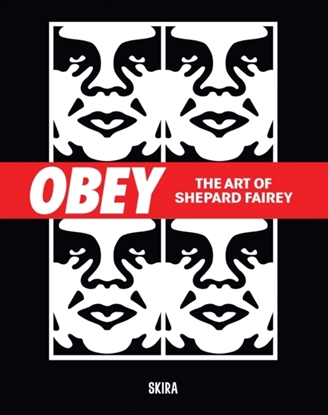
Obey
A thematic overview of work from the protagonist of street-inspired, politically savvy graphic art
Shepard Fairey is the artist behind the moniker Obey, best known for designing the iconic HOPE poster from Barack Obamas 2008 presidential campaign. Obeys work is distinguished by an essential and bold style with a minimalist palette guided by the hip-hop and punk cultures that taught the artist to question social conventions. The book is divided into sections, each centered around the most representative themes of Faireys art: propaganda; peace and justice; environment; music; and new works.
The book begins with a section dedicated to propaganda, featuring some of the artists most significant images on this theme, beginning with HOPE. It then continues through works in the peace and justice section in which, through the power of images, Obey draws attention to issues such as human rights, abuse of power, war and peace. In the environment section, the artist presents works that remind us of the importance of community in safeguarding our planet. The artists universal message also finds expression in the section devoted to music and its universality and accessibility. The monograph concludes with a section featuring new works by the artist, executed between 2021 and 2024.
Los Angelesbased artist Shepard Fairey (born 1970) is considered a leading figure in both contemporary street art and street style alike. Many of his designs, such as his 1989 sticker campaign featuring an image of André the Giant and the text "Obey" or his 2008 portrait of Barack Obama with the caption "Hope," are instantly recognizable the world over.

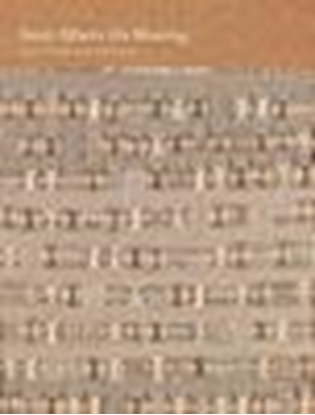
On Weaving
The classic book on the art and history of weaving—now expanded and in full color
Written by one of the twentieth century’s leading textile artists, this splendidly illustrated book is a luminous meditation on the art of weaving, its history, its tools and techniques, and its implications for modern design. First published in 1965, On Weaving bridges the transition between handcraft and the machine-made, highlighting the essential importance of material awareness and the creative leaps that can occur when design problems are tackled by hand.
With her focus on materials and handlooms, Anni Albers discusses how technology and mass production place limits on creativity and problem solving, and makes the case for a renewed embrace of human ingenuity that is particularly important today. Her lucid and engaging prose is illustrated with a wealth of rare and extraordinary images showing the history of the medium, from hand-drawn diagrams and close-ups of pre-Columbian textiles to material studies with corn, paper, and the typewriter, as well as illuminating examples of her own work.
Now available for a new generation of readers, this expanded edition of On Weaving updates the book’s original black-and-white illustrations with full-color photos, and features an afterword by Nicholas Fox Weber and essays by Manuel Cirauqui and T’ai Smith that shed critical light on Albers and her career.



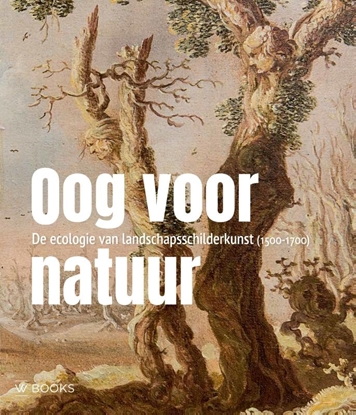
Oog voor natuur