Beeldende kunst

Where the Wild Lines Are
For everyone who is, has or once was a child, this delightful study on the history of childrens books is sure to spark nostalgia
Childrens books tell more than just stories. They stimulate the imagination, convey feelings and help young readers to explore the world. Many appeal to both children and adults alike through their idiosyncratic narratives, but also through their innovative structures and illustrations. With a playful font and type treatment, Where the Wild Lines Are first explores the development of childrens books in chronological order from 1900 to the present. Then, it takes a more formalist approach to the different elements that characterize a childrens book: color, signs, space and perspective. Sourced from the collections of the Design Museum in Munich, the examples include such universal classics as Peter Rabbit, Babar the Elephant and Where the Wild Things Are, together with treasured storybooks from diverse countries around the world.
Lees meer

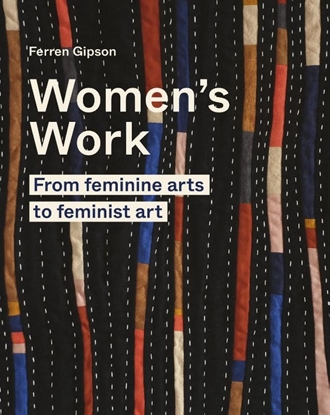
Women's Work
This powerful and insightful work offers a bold celebration of the innovative, brilliant artists reclaiming the idea of ‘women’s work’.
In the history of western art, decorative and applied arts – including textiles and ceramics – have been separated from the ‘high arts’ of painting and sculpture and deemed to be more suitable for women. Artists began to reclaim and redefine these materials and methods, energizing them with expressions of identity and imagination.
Women’s Work tells the story of this radical change, highlighting some of the modern and contemporary artists who dared to defy this hierarchy and who, through, experimentation and invention, transformed their medium.
The work of these women has helped underscore the ongoing value of these art forms within the history of art, championing ‘women’s work’ as powerful mediums worthy of celebration.
With biographical entries on each artist featured, as well as beautiful images of their artworks, Women's Work raises up the work of these visionary and groundbreaking artists, telling their stories and examining their artistic legacies.


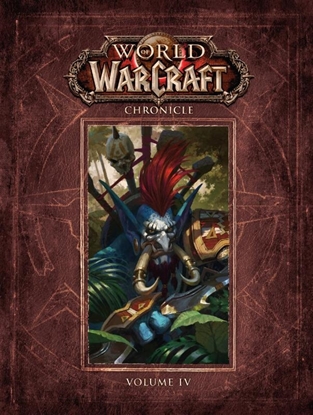
World of Warcraft Chronicle Volume 4

Wunderdinge

Wybrand de Geest

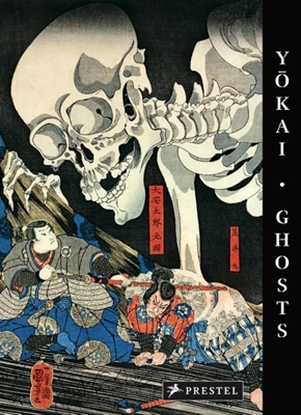
Yokai Ghosts
Yōkai ghosts are a significant aspect of Japanese culture. In turns terrifying, playful and mischievous, they can take the form of malevolent spirits, seeking a place in the afterlife, or shapeshifters tricking humans with wisdom and sometimes cruelty.
This unique book includes 150 striking images by Hokusai, Hiroshige, Utamaro and others, that capture the essence of yōkai folklore with stunning detail and evocative imagery. Filled with colored reproductions, each of the book’s chapters focuses on a specific spirit or type.
There’s the specter of Oiwa, her face distorted by poison, as depicted by Hokusai; Toyohara Kunichika’s haunting interpretation of Okiku, a tragic ghost with a tale of betrayal and revenge; and Yoshitoshi’s dramatic image of a samurai bravely confronting a hideous ghost. Throughout the book, readers will discover how the intricate details of woodblock prints allowed artists to exaggerate features and create dramatic effects that enhanced the portrayal of yōkai.
These prints also reveal aspects of daily life, folklore, and spiritual beliefs of the period, offering a window into Japan’s history and pointing to the origins of manga, horror films, and literature. Fans of Japanese folklore, supernatural art, and anime enthusiasts alike will delight in this beautiful edition that features a special Japanese binding, coloured edges and closing straps. Lees meer
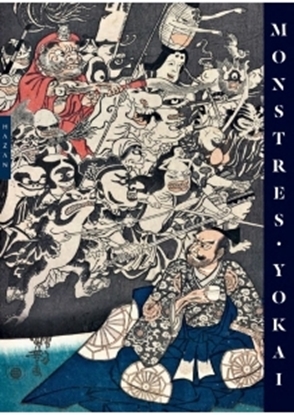
Yokai Monsters
Japanese folklore teems with strange and spectral beings— yōkai. They slither from wells, creep through forests, or inhabit forgotten household objects. These creatures have long reflected deep cultural anxieties and obsessions, and their influence endures today, pulsing through manga, anime, and horror cinema like walking nightmares haunting our daily lives.
In the follow up to his bestselling Yōkai Ghosts, Charlier examines these beings through their myths, habitats, and behaviours, uncovering the human fears and desires they embody. With the voice of a storyteller and the insight of a scholar, he traces how these spirits emerged from a world lit only by lanterns, when shadow and silence gave rise to the imagination’s most haunting macabre inventions.
Their dramatic and often humorous depictions helped shape how yōkai were seen and understood in the nineteenth century — and laid the foundation for visual traditions that continue today.
- The follow up to the bestselling book Yōkai Ghosts, by the same author.
- Sumptuous silk cover, colored edges, Swiss and Japanese tube binding, and ribbon ties.
- Over 100 prints by artists such as Hokusai, Kuniyoshi, Yoshitoshi, Kunisada, and Yoshimori.
- Organized thematically, the book’s chapters focus on particular types of yōkai monster.
- Places monsters in cultural and historical context while revealing their continued relevance.
Beautifully produced, this volume will appeal to readers fascinated by Japanese folklore, printmaking, horror, and the art of the uncanny. Lees meer

You Know I Am Not There