➔ De eerste biografie over deze grote meester sinds 1994
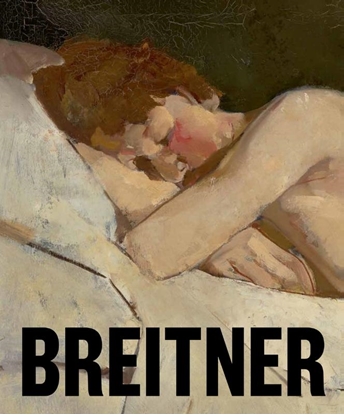
➔ Breitner, met zijn eigenzinnig kleur- en lijngebruik, blijkt veel vooruitstrevender dan gedacht
➔ Boek bij de grote tentoonstelling in Singer Laren Lees meer
Caravaggio, or more accurately Michelangelo Merisi da Caravaggio (1571–1610), was a legend even in his own lifetime. Notorious bad boy of Italian painting, the artist was at once celebrated and controversial: Violent in temper, precise in technique, a creative master, and a man on the run.
This edition offers a comprehensive reassessment of Caravaggio’s entire œuvre with a catalogue raisonné of his works. Each painting is reproduced with recent, high production photography allowing for dramatic close-ups with Caravaggio's ingenious details of looks and gestures.
Five introductory chapters analyze Caravaggio's artistic career from his early struggle to make a living, through his first public commissions in Rome, and his growing celebrity status. They look at his increasing daring with lighting and with a boundary-breaking naturalism which allowed even biblical events to unfold with an unprecedented immediacy before the viewer.
The Baroque advertising strategies of self-marketing masters Rubens and Goltzius.
How do artists ensure that their works will still be known in later centuries? How do they reach a public that lies far away geographically? In around 1600, printed graphics were the answer. The outstanding works of Hendrick Goltzius (15581617) and Peter Paul Rubens (15771640) show us how international success could be achieved in this way.
Printed graphics are easy to reproduce and distribute, and so around 1600, they became the perfect ambassadors for themselves in the diplomatic service of art. Through 160 masterly copperplate engravings, this volume shows how innovative and strategically astute Goltzius and Rubens were in their use of this mediumbeguiling the public, arousing desires, and disseminating their new artworks. In addition to their paintings, the engravings became sought-after collectors items which played a decisive part in the promotion of the careers of both artists. Lees meer
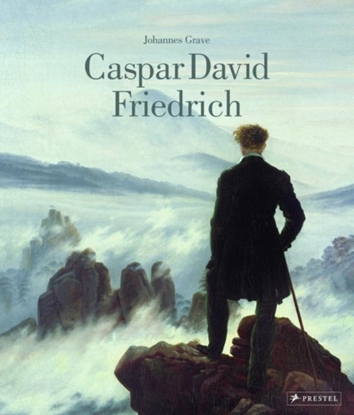
Now available in a new format, this beautifully illustrated volume on the controversial nineteenth-century Romantic artist addresses his modern critics while deepening our appreciation for his singular genius. "A painting must stand as a painting, made by human hand," wrote Caspar David Friedrich, "not seek to disguise itself as Nature." One of his generation’s most popular painters, Friedrich imagined landscapes of powerful beauty and spirituality from within the confines of his studios. This breathtaking monograph, filled with glorious reproductions and details of his paintings, argues for Friedrich’s reputation as a sublime artist and interpreter of nature. In his thoughtful and well-researched commentary, author Johannes Grave explores Friedrich’s approach to landscape painting as well as his revolutionary thoughts about how these paintings should be received by their viewers. Looking closely at pieces such as Monk by the Sea, Abbey in the Oakwood, and the Tetschener Altar, Grave shows how Friedrich developed an innovative approach to landscape painting, one that communicated a new sense of space and time, and which draws the viewer into a unique aesthetic experience. Highly readable, insightful, and copiously illustrated, this compelling book sheds crucial light on Friedrich’s celebrated body of work. Lees meer
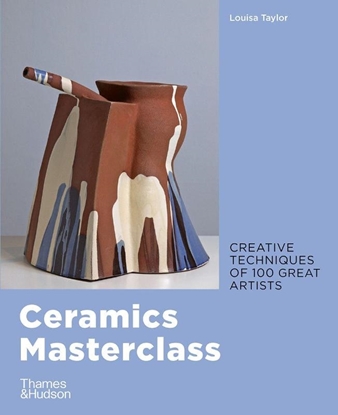
An exploration of the artistic process, methodology and techniques of 100 great ceramic artists, offering both practical advice and inspiration. Ceramics Masterclass is an indispensable introduction to the rich history and practice of ceramics. It examines 100 of the most beautiful and inventive artworks by the world's greatest artists, exploring the way they were made, what they do well, and how and what we can learn from them. By following this book's detailed analyses and instructive creative tips, readers will learn how to command functional forms like Bernard Leach, sculpt lively works of art like Pablo Picasso and experiment with material like Takuro Kuwata. Lees meer
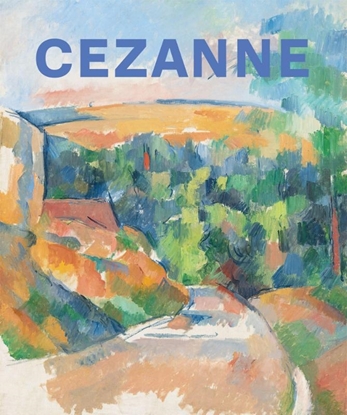
Form, color, and light – a pioneer of painterly abstractionPaul Cezanne is unquestionably one of the most influential artists of the nineteenth century. He is regarded as a pioneer of modernism who deliberately broke with the laws of perspective in his works and constructed the world out of color and form. He thus gave decisive impetus to Cubist painting and the development of abstraction. The catalogue accompanies a comprehensive exhibition at the Fondation Beyeler, which is honoring this central artist in its collection with a solo show for the first time in its history. The exhibition and catalogue focus on the last and most significant phase of the French painter's career and highlight key themes from his later years, including still lifes, portraits, landscapes, and scenes of bathers. With around seventy oil paintings and watercolors, the exhibition and catalogue allow us to experience form, light, and color in Cezanne's groundbreaking works—qualities that have influenced artists across generations and continue to inspire them to this day. Lees meer