
Bouwkunst, architectuur


Assemble
Architecture collective Assemble has transformed the definition of a successful young practice by working on temporary, small-scale, community-based projects, often reusing sites and materials. Described by architecture critic Edwin Heathcote as “young, widely admired and increasingly influential,” they are the future of architecture and the antithesis of the faceless corporate juggernaut.
This retrospective of the first decade or so of Assemble’s dynamic work highlights how their methods, working practices, interest in craft and building, and focus on reuse and material choices set them apart from other architecture practices. Based on extensive interviews with partners, and the group’s archives and documentation of their projects, the book is itself a collaborative labor of love, drawing together nearly forty major pieces of work through stunning photography, drawings, and text. Their projects range as widely as Granby Four Streets—a community-led project to rebuild a derelict neighborhood in Liverpool—to a brewery in rural Japan and a train depot renovation in Arles.
Providing an essential overview of the group, from their self-initiated temporary projects to their meteoric rise to international acclaim, Aaron Betsky explores how Assemble’s playful and subversive buildings have forged a pioneering new model of progressive architecture that continues to challenge the establishment.
Lees meer
Atlas of Mid-Century Modern Masterpieces
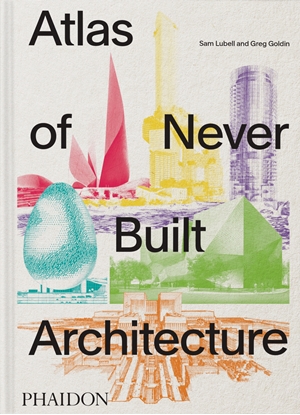
Atlas of Never Built Architecture
Atlas van tuindorpen in Nederland


Axel Vervoordt: Wabi Inspirations




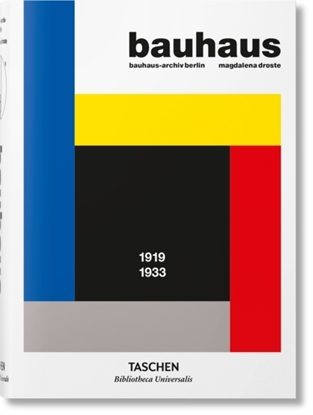
Bauhaus
In a fleeting 14-year period between two world wars, Germany’s Bauhaus school of art and design changed the face of modernity. With utopian ideas for the future, the school developed a pioneering fusion of fine art, craftsmanship, and technology, which they applied across media and practices from film to theater, and sculpture to ceramics.
This best-selling reference work is made in collaboration with the Bauhaus-Archiv/Museum für Gestaltung in Berlin, the world’s largest collection on the history of the Bauhaus. Some 575 illustrations including architectural plans, studies, photographs, sketches, and models record not only the realized works but also the leading principles and personalities of this idealistic creative community through its three successive locations in Weimar, Dessau, and Berlin. From informal shots of group gymnastics to drawings guided by Paul Klee, from extensive architectural plans to an infinitely sleek ashtray by Marianne Brandt, the collection brims with the colors, materials, and geometries that made up the Bauhaus vision of a “total” work of art.
This is a defining account of Bauhaus' energy and rigor, not only as a trailblazing movement in Modernism but also as a paradigm of art education, where creative expression and cutting-edge ideas led to simultaneously functional and beautiful creations. The handy edition features artists Josef Albers, Marianne Brandt, Walter Gropius, Gertrud Grunow, Paul Klee, Ludwig Mies van der Rohe, Lilly Reich, and many more.

