Bouwkunst, architectuur








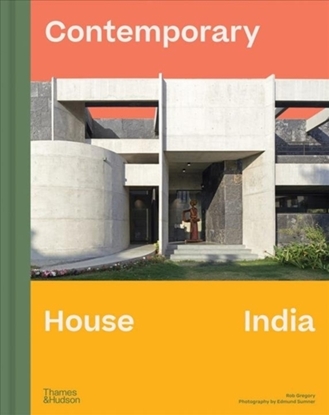
Contemporary House India
India has a long, diverse history of remarkable architecture. This stunning overview of contemporary residential architecture in India features over twenty houses from across the country, designed by leading firms such as Samira Rathod Design Associates and Architecture Brio, as well as emerging architects such as Martand Khosla.
Beginning with a helpful essay, Contemporary House India is divided into four thematic chapters, each opening with a contextual introduction. Included with each featured home are detailed drawings and plans, specially commissioned photographs of the interiors and exteriors by leading architectural photographer Edmund Sumner, and accompanying text based on interviews with the architects by author Rob Gregory. Gregory places the selected homes in a global context, including the fascinating legacy of major modern architects such as Le Corbusier’s work in Chandigarh, India.
Lees meer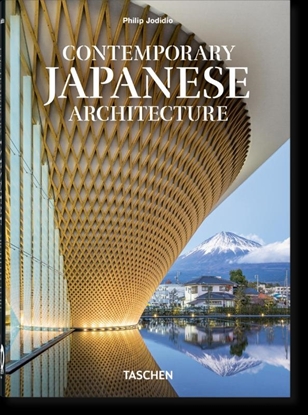
Contemporary Japanese Architecture
Japan's contemporary architecture has long been among the most inventive in the world, recognized for sustainability and infinite creativity. No fewer than eight Japanese architects have won the Pritzker Prize.
Since Osaka World Expo ’70 highlighted contemporary forms, Japan has been a key player in global architecture. Tadao Ando's geometry put Japanese building on the map, bridging East and West. After his concrete buildings, figures like Kengo Kuma, Shigeru Ban, and Kazuyo Sejima pioneered a more sustainable approach. Younger generations have taken new directions, in harmony with nature, traditional building, and an endless search for forms.
Presenting the latest in Japanese building, this book links this unique creativity to Japan's high population density, modern economy, long history, and continual disasters in the form of earthquakes. Accepting ambiguity, constant change, and catastrophe is a key to understanding how Japanese architecture differs from that of Europe or America.
This compact edition highlights 37 architects and 53 exceptional projects by Japanese masters—from Tadao Ando’s Shanghai Poly Theater, Shigeru Ban’s concert hall La Seine Musical, SANAA’s Grace Farms, Fumihiko Maki’s 4 World Trade Center to Takashi Suo’s much smaller sustainable dental clinic. An elaborate essay traces the building scene from the Metabolists to today, showing how the interaction of past, present, and future has earned contemporary Japanese architecture worldwide recognition.