Fotografie, film, video als kunstvormen

True World Skate




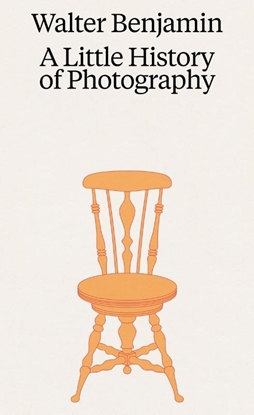
Walter Benjamin: A Little History of Photography
Benjamins early attempt to understand a nascent technology, remarkably prescient and topical even today
The illiterate of the future will not be the man who cannot read the alphabet, but the one who cannot take a photograph. So declared Walter Benjamin (18921940) in his essay A Little History of Photography, originally published in the periodical Literarische Welt in 1931. Beginning with the early experiments of Louis Daguerre and Nicéphore Niépce and concluding with the work of August Sander and Germaine Krull, Benjamin moved beyond the medium itself to address the artistic, societal and political capabilities that photography foretold. A Little History of Photography contains the inklings of his thoughts on reproducibility that he would later flesh out in his best-known text, The Work of Art in the Age of Mechanical Reproduction. Benjamins view of photography gave early credence to the medium and its practitioners and shaped the methodology by which it can be analyzed.
Lees meer