Grammatica, lexicografie, rijmboeken, schrijfhulp, taalvaardigheid


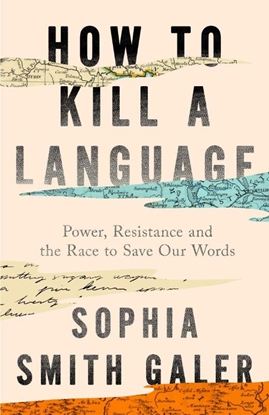
How to Kill a Language
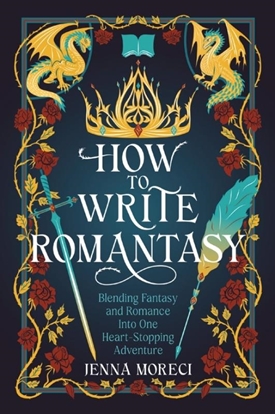
How to Write Romantasy
In How to Write Romantasy, Moreci takes you from your first kernel of inspiration through the resolution of your novel, ensuring you hit all the key elements along the way. Chapters are organized around specific plot points, necessary skills, and common questions, covering topics such as building a fantasy framework, creating compelling characters, learning the art of the tease, and bringing home the happily ever after. Each chapter is followed by a summary that you can use for quick reference. You will learn:
• How to marry the fantasy plot with the romantic storyline
• How to write a marketable book that romantasy readers will love
• How to create a shippable pairing that makes fans swoon
• How to build romantic and physical chemistry
• How to pace the story if you’re writing a series
Delivered with a hefty dose of humor, Moreci’s clear and simple methods are accessible for writers of all experience levels. With How to Write Romantasy, you will walk away with a deeper understanding of the genre and plenty of inspiration to build your very own romantasy novel. Lees meer

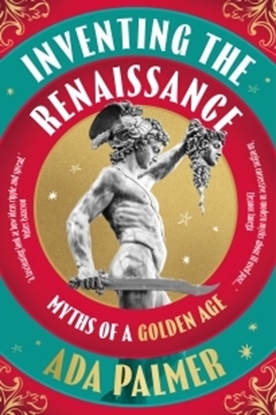
Inventing the Renaissance
The Renaissance is one of the most studied and celebrated eras of history. Spanning the end of the Middle Ages to the beginning of modernity, it has come to symbolise the transformative rebirth of knowledge, art, culture and political thought in Europe. And for the last two hundred years, historians have struggled to describe what makes this famous golden age unique.
In Inventing the Renaissance, acclaimed historian Ada Palmer provides a fresh perspective on what makes this epoch so captivating. Her witty and irreverent journey through the fantasies historians have constructed about the period show how its legend derives more from later centuries’ mythmaking than from the often grim reality of the period itself. She examines its defining figures and movements: the enduring legacy of Niccolò Machiavelli, the rediscovery of the classics, the rise of the Medici and fall of the Borgias, the astonishing artistic achievements of Michelangelo, Leonardo, and Cellini, the impact of the Inquisition and the expansion of secular Humanism. Palmer also explores the ties between culture and money: books, for example, could cost as much as grand houses, so the period’s innovative thinkers could only thrive with the help of the super-rich. She offers fifteen provocative and entertaining character portraits of Renaissance men and women, some famous, some obscure, whose intersecting lives show how the real Renaissance was more unexpected, more international and, above all, more desperate than its golden reputation suggests.
Drawing on her popular blogs and writing with her characteristic energy and wit, Palmer presents the Renaissance as we have never seen it before. Colloquial, funny and brilliant, you would never expect a work of deep scholarship to make you alternately laugh and cry.