
Kunstgeschiedenis

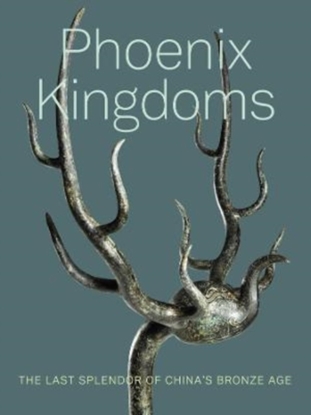
Phoenix Kingdoms – Last Splendor of China′s Bronze Age
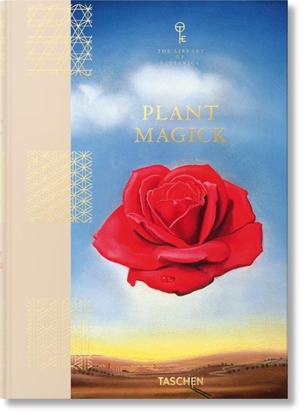
Plant Magick
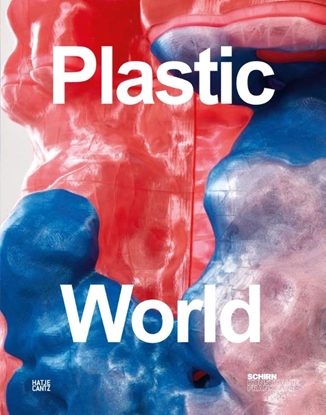
Plastic World
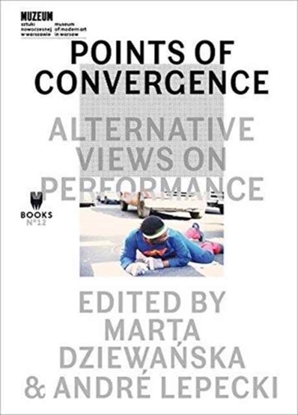
Points of Convergence – Alternative Views on Performance
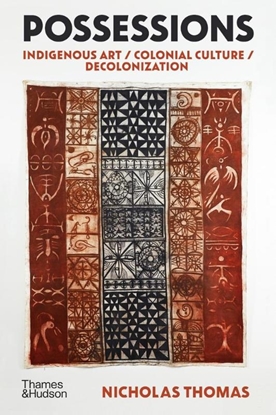
Possessions
The arts of Africa, Oceania, and Native America famously inspired twentieth-century modernist artists such as Pablo Picasso, Henri Matisse, and Max Ernst. Was this a cross-cultural discovery to be celebrated? Or just one more example of Western colonial appropriation?
What might a “decolonized” art history look like? Over the last half-century, scholarship emerged that gave the arts of Africa, Oceania, and Native America dedicated attention—though often in terms associated with tribal art connoisseurship, without acknowledgment of the colonial contexts of Indigenous art traditions or histories of appropriation and violence, and often stopped short of engaging with Indigenous visions or voices. “Decolonization” refers to an event, a liberation. In one sense, decolonization has happened: it was the moment of national independence for formerly colonized nations across Africa, Asia, and Oceania. But from another perspective, more prominent in current debate, decolonization is ongoing. What work does art do now, toward decolonization? And how can we, the audience, be active agents in redefining these histories?
Possessions, first published in 1999, offered a dynamic and genuinely cross-cultural art history, focused on the encounter, or the confrontation, in Australasia between the visual cultures of European colonization and Indigenous expressions. This new edition of Possessions contributes to today’s debates on diversity and race, giving voice to Indigenous artists and their continued presence in contemporary art today. A new introduction and concluding chapter frame the book in the present day, with recent studies, catalogs, and updated references.
Lees meer
Postures: Body Language in Art
Every time an artist portrays a human subject, a decision has to be made about the posture of the figure. Will they be standing, sitting, or reclining? Smiling, screaming, or weeping?
Never before given such dedicated attention, Postures argues that the gestures portrayed in a work of art can reflect the mores of a particular period in history, the customs of a certain culture, or a fashion in artistic styles. Exploring these with masterful subtlety, celebrated artist and anthropologist Desmond Morris uncovers fascinating insights about changing social attitudes and conventions throughout history, finding surprising similarities and significant differences.
Morris’s vast selection of gestures, from the handshake to the glove-slap, are analyzed and grouped according to wider forms of communication—greetings, threats, insults, and more. All are illustrated with full color works, ranging from prehistoric masks and Greek statues to contemporary paintings and sculptures. Postures uniquely combines Morris’s expertise in both art and social science, shedding new light on even the most familiar paintings.
Lees meer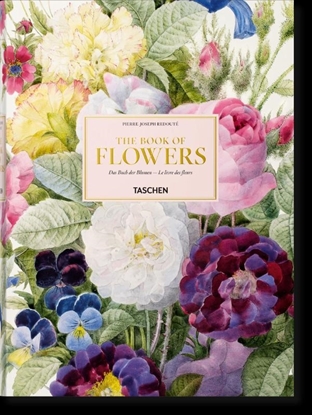
Redouté
French flower painter Pierre-Joseph Redouté (1759–1840) devoted himself exclusively to capturing the diversity of flowering plants in watercolor paintings which were then published as copper engravings, with careful botanical descriptions. The darling of wealthy Parisian patrons including Napoleon’s wife Josephine, he was dubbed “the Raphael of flowers,” and is regarded to this day as a master of botanical illustration.
This elegant catalogue brings together all engravings from Redouté’s illustrations of Roses and Choix des plus belles fleurs (Selection of the Most Beautiful Flowers) and the most astounding images from The Lilies. Offering a vibrant overview of Redouté’s admixture of accuracy and beauty, it is also a privileged glimpse into the magnificent gardens and greenhouses of a bygone Paris.
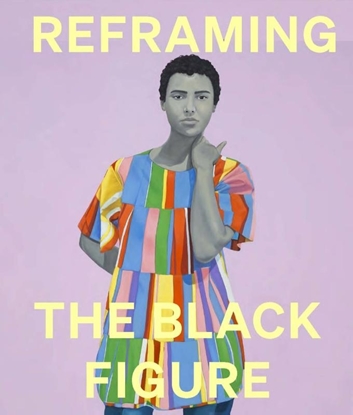
Reframing the Black Figure
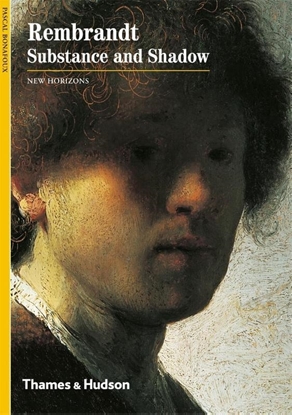
Rembrandt

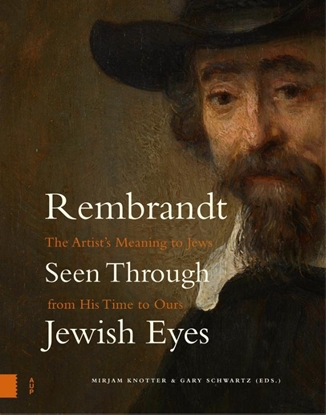
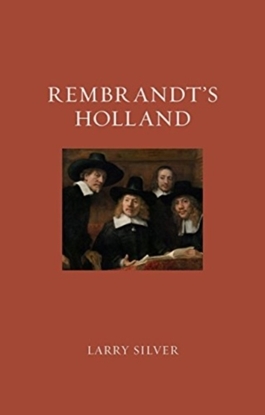
Rembrandt’s Holland

Rembrandt's Amsterdam
During the seventeenth century, Amsterdam became one of the leading economic centers in Europe. The city and its population grew rapidly as trade and art also flourished. The influential bourgeoisie shaped the fortunes of the city and confidently celebrated itself in magnificent group portraits by the cityÂ’s leading artists, most notably, Rembrandt.
More than in any other city, the group portrait in Amsterdam developed as a mirror of a powerful social elite, especially the marksmenÂ’s guildsÂ’ members and the regents of social institutions. However, their good fortune had its price, for the roots of the cityÂ’s Golden Age lay in a colonialist trading policy and a rigid social order. Rembrandt's Amsterdam shows both sides of the coin with images and stories of a plural society that tell of wealth and inequality, good fortune and ruin, and power and impotence. Lees meer
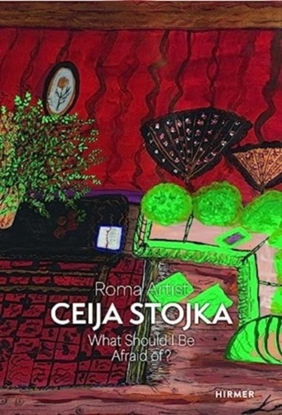
Roma Artist Ceija Stojka

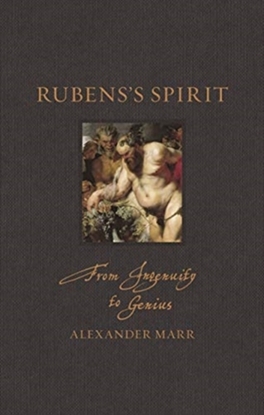
Rubens’s Spirit

