Kunstgeschiedenis




Warhol
Andy Warhol (1928–1987) is hailed as the most important proponent of the Pop art movement. A critical and creative observer of American society, he explored key themes of consumerism, materialism, media, and celebrity.
Drawing on contemporary advertisements, comic strips, consumer products, and Hollywood’s most famous faces, Warhol proposed a radical reevaluation of what constituted artistic subject matter. Through Warhol, a Campbell’s soup can and Coca Cola bottle became as worthy of artistic status as any traditional still life. At the same time, Warhol reconfigured the role of the artist. Famously stating “I want to be a machine,” he systematically reduced the presence of his own authorship, working with mass-production methods and images, as well as dozens of assistants in a studio he dubbed the Factory.
This book introduces Warhol’s multifaceted, prolific oeuvre, which revolutionized distinctions between “high” and “low” art and integrated ideas of living, producing, and consuming that remain central questions of modern experience.
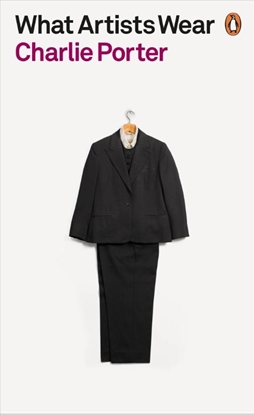
What Artists Wear
*A Financial Times Book of the Year*
'The first time I opened What Artists Wear, I gasped with pleasure. Imagine it as a kind of punk cousin to John Berger's Ways of Seeing, liberally illustrated with the most astonishing images of artists, decked out in finery or rags ... It transported me to somewhere glamorous, exciting, even revolutionary' Olivia Laing, Guardian
Most of us live our lives in our clothes without realizing their power. But in the hands of artists, garments reveal themselves. They are pure tools of expression, storytelling, resistance and creativity: canvases on which to show who we really are.
In What Artists Wear, style luminary Charlie Porter takes us on an invigorating, eye-opening journey through the iconic outfits worn by artists, in the studio, on stage, at work, at home and at play. From Yves Klein's spotless tailoring to the kaleidoscopic costumes of Yayoi Kusama and Cindy Sherman; from Andy Warhol's signature denim to Charlotte Prodger's casualwear, Porter's roving eye picks out the magical, revealing details in the clothes he encounters, weaving together a new way of understanding artists, and of dressing ourselves.
Part love letter, part guide to chic, and featuring generous photographic spreads, What Artists Wear is both a manual and a manifesto, a radical, gleeful, inspiration to see the world anew-and find greater pleasure and possibility in the clothes we all wear.


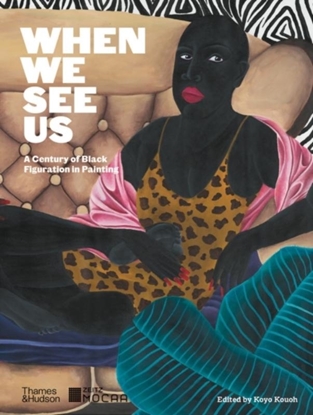
When We See Us
Published to accompany a major exhibition at Zeitz MOCAA, CapeTown, When We See Us presents a comprehensive exploration of Black representation through portraiture and figuration, celebrating Black subjectivity and Black consciousness from Pan-African and Pan-Diasporic perspectives.
In the past decade, figurative painting by Black artists has risento a new prominence in the field of contemporary art. This timely and revelatory book highlights the many ways in which artists critically engage with notions of blackness, contributing to the critical discourse on topics such as Pan-Africanism, the Civil Rights Movement, African Liberation and Independence movements, the Anti-Apartheid and Black Consciousness mobilizations, Decoloniality, and Black Lives Matter.
With a primary focus on figurative painting, When We See Us explores how Black artists have imagined, positioned, memorialized, and asserted African and African diasporic experiences from the early 20th century to the present day. Featuring more than 200 works of art—and contributions from well-known writers such as Ken Bugul, Maaza Mengiste, Robin Coste Lewis, and Bill Kouelany—When We See Us is a major contribution to our understanding of Black art that will appeal to anyone interested in modern and contemporary figurative art and Black cultural history.
Lees meer
Where's Warhol?
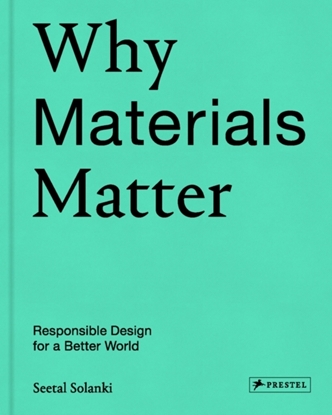
Why Materials Matter
What does it mean to live in a material world, and how do materials of the past and present hold the keys to our future? This book tackles these questions by focusing on various issues that human beings face and by discussing potential materials-related solutions. Through the lens of intriguing projects by designers, artists, makers, and scientists, it presents a colorful panoply of ideas, technologies, and creative efforts that focus on the earth's most basic elements, while also showing how these elements can be transformed into entirely new materials. It explores, for example, how ancient practices such as dyeing fabric and making glue may hold the secret to renewable and earth-friendly consumer products, as well as how recycling plastics can tackle food waste, and how a type of light metal being developed may one day make air travel less fuel-reliant. This book also investigates the potential of the digital experience, suggesting how this most ephemeral type of matter can be used to improve our world. Eye-catching and provocative, Why Materials Matter serves as both a stimulating catalog of possibilities and a timely manifesto on how to consume, manufacture, and design for a better future. Lees meer

Why Your Five Year Old Could Not Have Done That
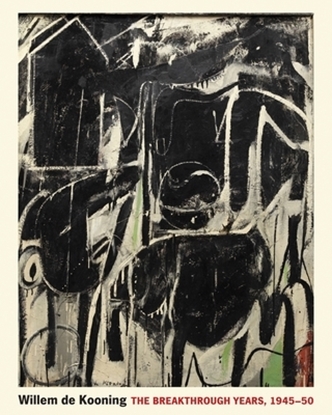
Willem de Kooning
A fascinating examination of a formative time in the iconic artist’s career
In 1948, Willem de Kooning held his first solo exhibition, at age forty-four, at the Charles Egan Gallery in New York City. Willem de Kooning: The Breakthrough Years explores how the painter developed his distinctive style in the period leading up to the show, blending figuration with abstraction and experimenting with materials such as enamel paint, cardboard, and Masonite.
This beautifully illustrated book features illuminating essays by John Elderfield and Mitra Abbaspour, who closely consider de Kooning’s work during this time, the environment and influences that surrounded him, and the impact of the 1948 exhibition on both his career and the New York School. Lee Colón’s detailed chronology provides invaluable context for the exhibition while Jim Coddington and Bart Devolder’s material study of Black Friday—a painting included in the 1948 exhibition—offers vital perspective on the painter’s working methods.
Featuring paintings and drawings made by the artist between 1945 and 1950 as well as important primary source material, this book sheds critical light on a prolific and formative period in the life and career of an incomparable artist.
Exhibition Schedule
Princeton University Art Museum, Princeton
March 14–July 26, 2026
Distributed for the Princeton University Art Museum
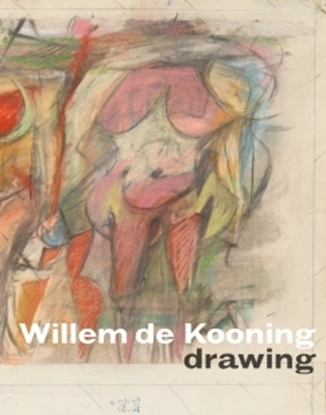
Willem de Kooning Drawing

William Blake
Britain’s great Romantic visionary William Blake (1757–1827) was an artist of uniquely powerful imagination and creative talents. Prophet, poet, painter, and engraver, Blake captured the spiritual drama of English nationalism, integrating poetry and visual art to create a truly unique body of work. First published in 1968, this classic study reveals Blake to be far more than a social radical, reshaping our understanding of the artist’s achievements and unraveling the complex symbolism expressed in his paintings and prints.
Author Kathleen Raine guides the reader through the life and thought of this extraordinary artist. Detailing the enriching effect of mystical, alchemical, and gnostic philosophy—as well as Dante, Milton, and the Bible—on Blake’s art, she examines famous works such as Jerusalem, Songs of Innocence and Experience, and The Book of Job, relating them to Blake’s world view and analyzing their fierce energy and prophet qualities. Packed with nearly 200 images, William Blake is a must-have for fans of this legendary artist. This book is reissued with a new introduction by Colin Trodd, reflecting on Raine’s life and work and the impact of her writings on Blake.
Lees meer