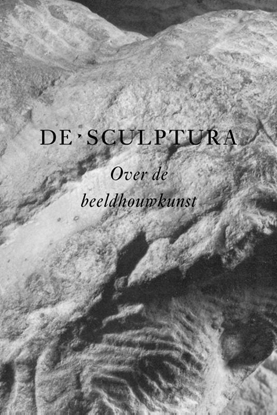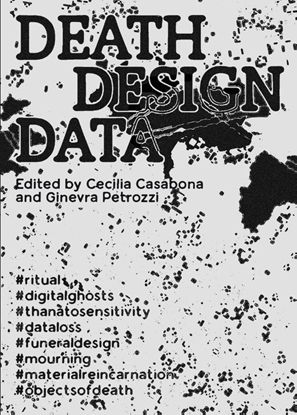
Kunsttheorie


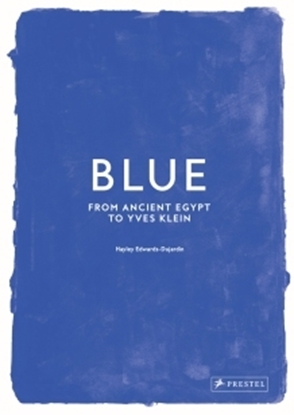
Blue
From the cobalt glazes of ancient Egypt to Yves Klein’s bold monochromes, blue has carried meanings both sacred and subversive across eras.
Along the way, blue has been a symbol of power and purity, of sorrow and transcendence. This book traces how those meanings, symbolism, and iconography shifted through the evolving availability of pigments such as lapis lazuli, indigo, and synthetic ultramarine.
Designed for visual impact and intellectual clarity, the fascinating juxtaposition of art from all periods and all continents invites readers to look closely at masterpieces both surprising and familiar —and to reconsider how a single color has reflected and reshaped the human experience.
- A lovely gift edition exploring the significance and symbolism of the color blue.
- Includes 40 iconic works including Monet, Picasso, Vermeer, Yves Klein and more.
- Shows how artists have used blue to evoke emotion, atmosphere, and reimagine the world.
- Each artwork is paired with a thoughtful reflection on its making and meaning.
- Each piece also shows how the pigment was sourced and applied at the time.
Readers will see how a color, once costly and elusive, became central to artistic practice, both materially and metaphorically. Lees meer
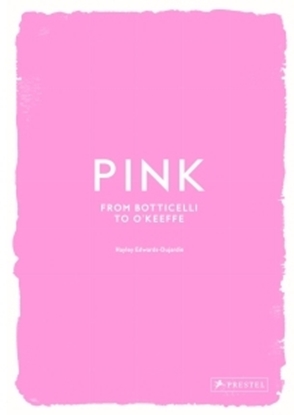
Colors of Art Pink
Long associated with delicacy and sentiment, pink has also been used to express grandeur, sensuality, irony, and rebellion. This richly illustrated volume explores how the meaning and function of pink has illuminated, disguised, and transformed works of art across cultures and centuries.
Readers will encounter pink as a mark of divine humility in religious paintings, as a signal of luxury and desire in the flirtatious scenes of Fragonard and the refined elegance of Boucher; and as a radical material in modern and contemporary works.
Timelines, maps, and sidebars offer cultural context and historical depth throughout, including a vivid chart of historically and poetically named pinks — from cuisse de nymphe and rose bonbon to vieux rose and rose vineux — that reflect the color’s remarkable expressive range.
- A lovely gift edition exploring the significance and symbolism of the color pink.
- Includes iconic works from El Greco, Signac, O’Keefe, Murakami, Sassetta and more.
- Shows how artists have used pink to evoke emotion, atmosphere, and reimagine the world.
- Each artwork is paired with a thoughtful reflection on its making and meaning.
- Each piece also shows how the pigment was sourced and applied at the time.
Visually layered and full of unexpected connections, Pink invites readers to look again at a color too often dismissed. Lees meer
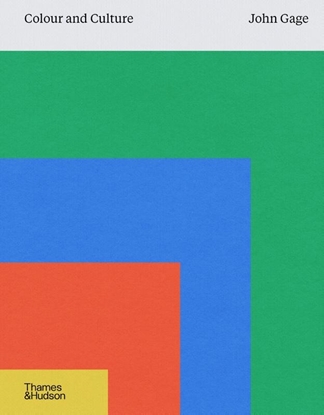
Colour and Culture
What does the language of color tell us? Where does one color begin and another end? Is it a radiant visual stimulus, an intangible function of light, or a material substance to be molded and arrayed? Color is fundamental to art, yet so diverse that it has hardly ever been studied in a comprehensive way. Art historian John Gage considers every conceivable aspect of the subject in this groundbreaking analysis of color in Western culture, from the ancient Greeks to the late twentieth century.
Gage describes the first theories of color, articulated by Greek philosophers, and subsequent attempts by the Romans and their Renaissance disciples to organize it systematically or endow it with symbolic power. He unfolds its religious significance and its use in heraldry, as well as how Renaissance artists approached color with the help of alchemists. He explores the analysis of the spectrum undertaken by Isaac Newton and continued in the nineteenth century by artists such as Georges Seurat, traces the influence of Johann Wolfgang von Goethe's color theory, and considers the extraordinary theories and practices that attempted to unite color and music or make color into an entirely abstract language of its own.
A seminal undertaking to suggest answers to many perennial questions about the role of color in Western art and thought, Color and Culture throws fresh light on the hidden meanings of many familiar masterpieces.
Lees meer