
Kunsttheorie
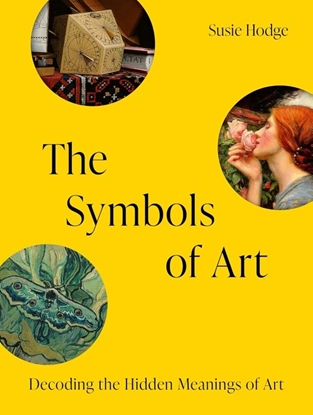
The Symbols of Art
Unpack the powerful visual symbols artists have used throughout history.
From a single flower to a carefully placed skull, works of art across history are filled with symbols that carry powerful meanings. The Symbols of Art reveals how artists use these symbols to communicate ideas without relying on words.
Why is there a lily in that religious painting? Why does a still life include an hourglass, a mirror, or a piece of fruit? In some cases, these symbols would have been immediately understood by contemporary viewers but now need decoding for a modern audience. In other instances, symbolism is more deliberately elusive, inviting viewers to look closer and think deeper.
This richly illustrated visual reference includes:
- Over 100 key symbols drawn from art history
- Symbols from the natural world, the manmade world, the supernatural, and colors and shapes
- Famous artworks used as case studies to show symbolism in context
- How meanings change across cultures, movements, and centuries
- An easy-to-navigate, fully indexed structure designed for quick consultation as well as browsing
Bringing together examples from across periods, cultures, and artistic movements, art historian Susie Hodge explains how symbolic meanings can shift depending on time, place, and intention, revealing layers of interpretation that radically deepen our understanding of artworks.
Clearly organized and expertly written, The Symbols of Art is both an authoritative reference and an inviting guide for curious readers.
Whether you’re visiting a gallery, studying art history, or simply want to see artworks with fresh eyes, this book gives you the tools to decode visual meaning and experience art more deeply.
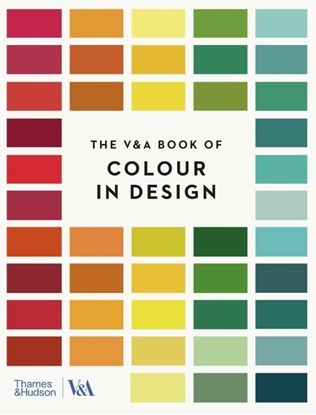
The V&A Book of Colour in Design



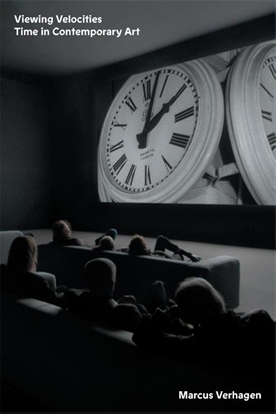
Viewing Velocities
Marcus Verhagen builds on the work of theorists Jonathan Crary, Hartmut Rosa and Jacques Rancière to trace lines of insurgent art that recast struggles over time and history in novel and revealing terms. Lees meer



Ways of Curating
Moving from meetings with artists to the creation of the first public museums in the 18th century, recounting the practice of inspirational figures such as Diaghilev, skipping between exhibitions, continents and centuries, Ways of Curating argues that curation is far from a static practice. Driven by curiosity, at its best it allows us to create the future.
Lees meer


What Art Does
Why do we need art?
What Art Does is an invitation to explore this vital question. It is a chance to understand how art is made by all of us. How it creates communities, opens our worlds, and can transform us.
Curious and playful, richly illustrated, full of ideas and life, it is an inspiring call to imagine a different future.

What Makes Great Art
What Makes Great Art showcases a selection of 80 outstanding paintings and sculptures from around the world and throughout time, assessing just what it is that makes them so great.
Why do some artworks stand out head and shoulders above others? What makes a painting truly great, and secures its artistic legacy for centuries after its creation?
Some owe their greatness to composition of colour, others offer profound insights into their human subjects, and some convey their message particularly effectively.
Exceptional art somehow satisfies at a deeper level than the rest, and this truly insightful and deeply researched work examinss exactly how 80 of the most significant works of art have persevered, and what makes us come back to them time and time again.
Andy Prankhurst’s succinct, appraisive text will open your eyes to the unique defining qualities of these key works, enabling you to appreciate the groundbreaking talents of every age.
An indispensible book for anyone who wants to understand how and why art continues to fascinate us, this book is a comprehensive guide to these masterpieces and what exactly makes them great.
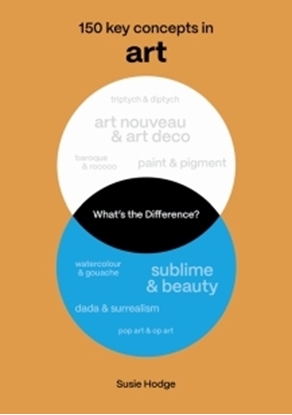
What's the Difference? Art
The What’s the Difference? series offers a brand-new approach to popular reference by examining concepts in pairs to help clarify common (and not-so-common) confusions. Exploring two definitions at the same time cuts to the heart of a topic quickly and clearly so you can avoid those all-too-frequent conceptual slip-ups.

Why Have There Been No Great Women Artists?
Many scholars have called Linda Nochlin’s seminal essay on women artists the first real attempt at a feminist history of art. In her revolutionary essay, Nochlin refused to answer the question of why there had been no “great women artists” on its own corrupted terms, and instead, she dismantled the very concept of greatness, unraveling the basic assumptions that created the male-centric genius in art.
With unparalleled insight and wit, Nochlin questioned the acceptance of a white male viewpoint in art history. And future freedom, as she saw it, requires women to leap into the unknown and risk demolishing the art world’s institutions in order to rebuild them anew.
In this stand-alone anniversary edition, Nochlin’s essay is published alongside its reappraisal, “Thirty Years After.” Written in an era of thriving feminist theory, as well as queer theory, race, and postcolonial studies, “Thirty Years After” is a striking reflection on the emergence of a whole new canon. With reference to Joan Mitchell, Louise Bourgeois, Cindy Sherman, and many more, Nochlin diagnoses the state of women and art with unmatched precision and verve. “Why Have There Been No Great Women Artists?” has become a slogan and rallying cry that resonates across culture and society. In the 2020s, Nochlin’s message could not be more urgent: as she put it in 2015, “There is still a long way to go.”
Lees meer