Literaire non-fictie algemeen



Bluets
**AS SEEN ON BBC2's BETWEEN THE COVERS**
A Guardian Book of the Year
Maggie Nelson is one of the most electrifying writers at work in America today, among the sharpest and most supple thinkers of her generation - Olivia Laing
Bluets winds its way through depression, divinity, alcohol, and desire, visiting along the way with famous blue figures, including Joni Mitchell, Billie Holiday, Yves Klein, Leonard Cohen and Andy Warhol. While its narrator sets out to construct a sort of 'pillow book' about her lifelong obsession with the colour blue, she ends up facing down both the painful end of an affair and the grievous injury of a dear friend. The combination produces a raw, cerebral work devoted to the inextricability of pleasure and pain, and to the question of what role, if any, aesthetic beauty can play in times of great heartache or grief.
Much like Roland Barthes's A Lover's Discourse, Bluets has passed between lovers in the ecstasy of new love, and been pressed into the hands of the heartbroken. Visceral, learned, and acutely lucid, Bluets is a slim feat of literary innovation and grace, never before published in the UK.
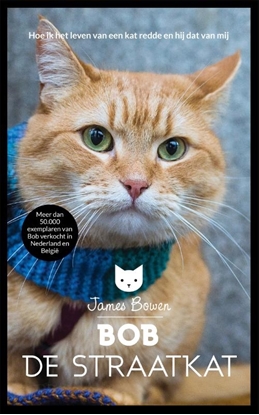
Bob de straatkat
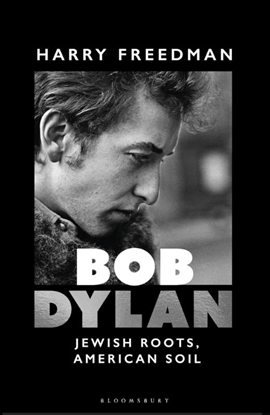
Bob Dylan
From the day that Bobby Zimmerman first turned on the radio in his parents’ home in Hibbing, he’d had a pretty good idea that big things were happening.
When Bob Dylan arrived in New York one winter morning in 1961 he was a complete unknown. His music and spirit would go on to capture the hearts and minds of a generation, but what no one knew then was that, like so many before him, Dylan was concealing his Jewish origins.
Covering the same turbulent years as the hit film starring Timothée Chalamet, this entertaining biography offers new insights into Bob Dylan's early career. For Harry Freedman, Dylan’s roots are the key to grasping how this young musician burst onto the scene and reinvented not only himself, but popular music. The instinct for escape and reinvention has defined Dylan’s long career.
Freedman traces the heady atmosphere of the 1960s and the folk-rock revolution spearheaded by Dylan. Right up until the moment in 1966 when Dylan stepped out onto the stage and went electric – exploring how his musical decisions, genius for reinvention and his Jewishness go inescapably hand in hand.