
Literaire roman, novelle

To Kill A Mockingbird
ONE OF THE GREATEST AMERICAN NOVELS EVER WRITTEN
WINNER OF THE PULITZER PRIZE FOR FICTION
'No one forgets this book' Independent
'One of the best first novels I remember ... uniquely unsentimental' Guardian
'There is humour as well as tragedy in this book, besides its faint note of hope for human nature; and it is delightfully written' Sunday Times
'A rare literary phenomenon' Vogue
The iconic modern classic and coming-of-age novel exploring racism in the American South.
'Shoot all the bluejays you want, if you can hit 'em, but remember it's a sin to kill a mockingbird.'
A lawyer's advice to his children as he defends the real mockingbird of Harper Lee's classic novel - a black man charged with a serious crime.
Through the young yes of Scout and Jem Finch, Harper Lee explores the irrationality of adult attitudes to race and class in the Deep South of the 1930s.
The conscience of a town steeped in prejudice, violence and hypocrisy is pricked by the stamina of one man's struggle for justice.
But the weight of history will only tolerate so much.
'Someone rare has written this very fine novel, a writer with the liveliest sense of life and the warmest, most authentic humour. A touching book; and so funny, so likeable.' Truman Capote
Lees meer
To Kill A Mockingbird
ONE OF THE GREATEST AMERICAN NOVELS EVER WRITTEN
WINNER OF THE PULITZER PRIZE FOR FICTION
'No one forgets this book' Independent
'One of the best first novels I remember ... uniquely unsentimental' Guardian
'There is humour as well as tragedy in this book, besides its faint note of hope for human nature; and it is delightfully written' Sunday Times
'A rare literary phenomenon' Vogue
The iconic modern classic and coming-of-age novel exploring racism in the American South.
'Shoot all the Bluejays you want, if you can hit 'em, but remember it's a sin to kill a Mockingbird.'
A lawyer's advice to his children as he defends the real mockingbird of Harper Lee's classic novel - a black man charged with a serious crime.
Through the young eyes of Scout and Jem Finch, Harper Lee explores the irrationality of adult attitudes to race and class in the Deep South of the 1930s.
The conscience of a town steeped in prejudice, violence and hypocrisy is pricked by the stamina of one man's struggle for justice.
But the weight of history will only tolerate so much.
'Someone rare has written this very fine novel, a writer with the liveliest sense of life and the warmest, most authentic humour. A touching book; and so funny, so likeable.' Truman Capote
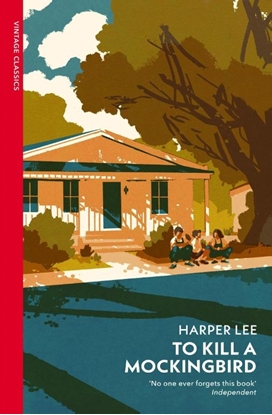
To Kill A Mockingbird
In 1930’s Alabama, Scout Finch watches her father stand up for justice, in a town steeped in prejudice.
Atticus Finch tells his children that it is a sin to kill a mockingbird. That lesson becomes the moral centre of Harper Lee’s classic novel as Atticus defends a black man charged with attacking a white girl.
Through the eyes of Scout and Jem Finch, Lee explores race, class, childhood and conscience in the Deep South of the 1930s. Around them is a town steeped in prejudice and hypocrisy, and at the centre stands Atticus, whose quiet struggle for justice makes him one of literature’s enduring figures of moral courage.
To Kill A Mockingbird is a modern American classic, a Southern coming-of-age novel and a powerful story about racial injustice, family and integrity.
This edition of one of the world’s best-loved books features the original text.
**One of the BBC’s 100 Novels That Shaped Our World **
Lees meer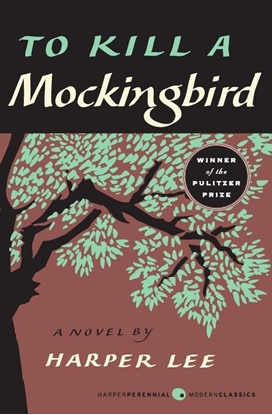
To Kill a Mockingbird
Voted America's Best-Loved Novel in PBS's The Great American Read
"One of the most—if not the most—beloved of American novels." —The New Yorker
Harper Lee's Pulitzer Prize-winning masterwork of honor and injustice in the deep South—and the heroism of one man in the face of blind and violent hatred
One of the most cherished stories of all time, To Kill a Mockingbird has been translated into more than forty languages, sold more than fifty million copies worldwide, and was voted one of the best novels of the twentieth century by librarians across the country. A gripping, heart-wrenching, and wholly remarkable tale of coming-of-age in a South poisoned by virulent prejudice, it views a world of great beauty and savage inequities through the eyes of a young girl, Scout Finch, as her father, Atticus—a crusading local lawyer—risks everything to defend a black man unjustly accused of a terrible crime.
Harper Lee explores with rich humor and unswerving honesty the irrationality of adult attitudes toward race and class in the Deep South of the 1930s. The conscience of a town steeped in prejudice, violence, and hypocrisy is pricked by the stamina and quiet heroism of one man's struggle for justice—but the weight of history will only tolerate so much.
Lees meer
To Kill A Mockingbird
ONE OF THE GREATEST AMERICAN NOVELS EVER WRITTEN
WINNER OF THE PULITZER PRIZE FOR FICTION
'No one forgets this book' Independent
'One of the best first novels I remember ... uniquely unsentimental' Guardian
'There is humour as well as tragedy in this book, besides its faint note of hope for human nature; and it is delightfully written' Sunday Times
'A rare literary phenomenon' Vogue
The iconic modern classic and coming-of-age novel exploring racism in the American South.
'Shoot all the bluejays you want, if you can hit 'em, but remember it's a sin to kill a mockingbird.'
A lawyer's advice to his children as he defends the real mockingbird of Harper Lee's classic novel - a black man charged with a serious crime.
Through the young yes of Scout and Jem Finch, Harper Lee explores the irrationality of adult attitudes to race and class in the Deep South of the 1930s.
The conscience of a town steeped in prejudice, violence and hypocrisy is pricked by the stamina of one man's struggle for justice.
But the weight of history will only tolerate so much.
'Someone rare has written this very fine novel, a writer with the liveliest sense of life and the warmest, most authentic humour. A touching book; and so funny, so likeable.' Truman Capote

To Paradise

To the Lighthouse
When Mrs Ramsay tells her guests at her summer house on the Isle of Skye that they will be able to visit the nearby lighthouse the following day, little does she know that this trip will only be completed ten years later by her husband, and that a gulf of war, grief and loss will have opened in the meantime. As each character tries to readjust their memories and emotions with the shifts of time and reality, this long-delayed excursion will also prove to be a journey of self-discovery and fulfilment for them.
Rich in symbolism, daring in style, elegiac in tone and encapsulating Virginia Woolf’s ideas on life, art and human relationships, To the Lighthouse is a landmark of twentieth-century literature and one of the high points of early Modernism.

To the Lighthouse

To the Moon