Mens en maatschappij algemeen
Blank Space



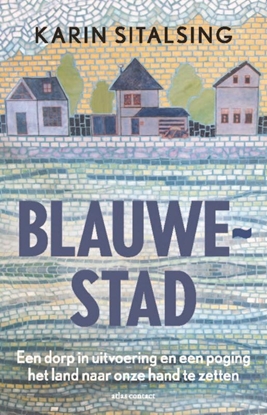
Blauwestad


Blitz
'Elms is one of the greatest chroniclers of our age. He was born to write this book.' Dylan Jones
'Fantastic! It is like time travel . . . [to] the most exciting, innovative, outrageous, wildest, most creative club ever.' Steve Dagger
'Elms was not only in the room where it happened, he was at the very heart of it.' Gary Kemp
'The perfect witness and commentator: open-minded, outward looking, and an expert and shrewd cultural analyst.' Lavinia Greenlaw
'Sharp, funny and caked in two-day old eyeliner.' Jodie Harsh
A history of the club that set the ‘80s alight, by the much-loved presenter, writer and Blitz attendee Robert Elms.
The short-lived Blitz club in London’s Covent Garden was more than somewhere to hang out or be seen: it was a catalyst for cultural explosion, a counter-culture blast against everything Thatcher's leadership had ushered in by the dawn of the 80s. Tuesday nights boasted a ferocious, fearless cast – from Boy George and Spandau Ballet to Grayson Perry and Peter Doig, to Michele Clapton, Sade and John Galliano. This was the vanguard of a different England; socially liberal, loud, proud and diverse, fiercely individualistic and determined to succeed. Britain was black and white; the Blitz Kids switched on the colour.
In Blitz, Elms reflects on a club night founded by working-class kids, one whose impact reverberated beyond its doors, through the worlds of Art, Literature, Fashion and Music, and into the present day.

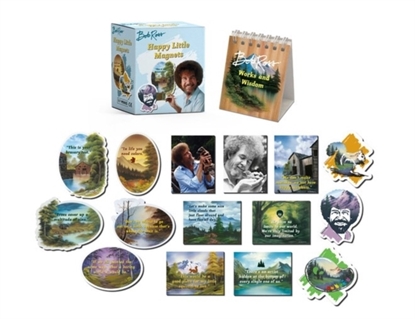
Bob Ross: Happy Little Magnets
- Fifteen original magnets featuring Bob Ross artwork, inspirational quotes, and iconic images related to the painter.
- Unique easel flipbook featuring Bob's works of art and words of wisdom. Measures 2-1/2 x 3".




Boekestijn & De Wijk voorspellen de toekomst
De makers van de populaire podcast Boekestijn & De Wijk voorspellen hoe de nieuwe wereldorde eruit zou kunnen komen te zien
Lees meer
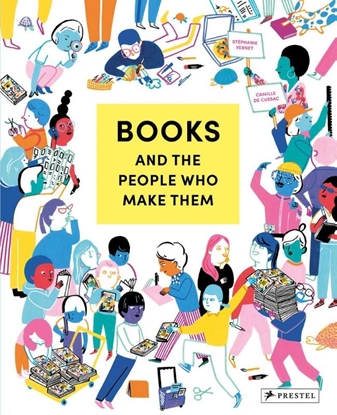
Books and the People Who Make Them
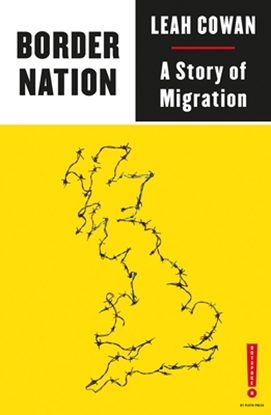
Border Nation
'A must-read manifesto for border abolition' - gal-dem
Borders are more than geographical lines - they impact all our lives, whether it’s the inhumanity of deportations, or a rise in racist attacks in the wake of the EU referendum. Border Nation shows how oppressive borders must be resisted.
Laying bare the web of media myths that vilify migrants, Leah Cowan dives into the murky waters of corporate profiteering from borders by companies like G4S, and the ramping up of everyday borders through legislation. She looks at their colonial origins, and explores how a draconian approach to border crossings damages our communities.
As borders multiply, so too must resistance. From demonstrations inside detention centres to migrant-led campaigns and acts of cross-border solidarity, people are fighting back to stand up for everyone’s freedom to move.
Lees meer