
Winkelwagen
Zoek
Mens en maatschappij algemeen







Dagboek van een invasie
9789463822404
€21,99
In dit dagboek doet de bekendste auteur van Oekraïne indringend verslag van een mens op de vlucht, van een land dat zich met hand en tand verdedigt, en van een cultuur aan de frontlinie. Lees meer

Dames voor Darwin
9789089247018
€22,99
Griet Vandermassen verkent het spanningsveld tussen het feminisme en de biologische wetenschappen. Ze pleit voor een nieuw feminisme, want mannen en vrouwen zijn niet identiek. Lees meer

Dansen op een ziedende vulkaan
9789462673526
€22,50
Het groeiende onbehagen bedreigt onze democratische grondrechten en universele mensenrechten. Dominique Willaert onderzoekt hoe het zover is kunnen komen en hoe we het tij kunnen keren. Lees meer
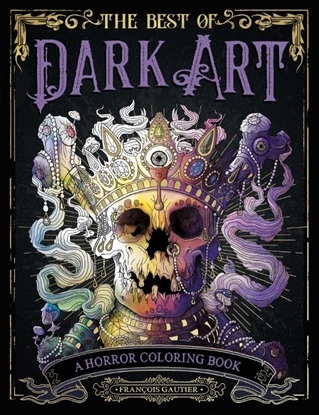
DARK ART COLORING The Best of Dark Art
9798217177288
€15,99
Dare to enter a world of horror in this spine-chilling collection of Francois Gautier's darkest and most dreadful designs.
In this collection of all-time favorite illustrations from Dark Art, Dark Art Gothica, Dark Art Supernatural, and Dark Art Nightmare, demonic dolls, ghastly ghouls, zombies, ghosts, haunted houses, and more lurk within the pages. Gautier’s chillingly detailed and uniquely twisted artwork comes together in a selection of his very darkest work, ready for you to color. Lees meer
In this collection of all-time favorite illustrations from Dark Art, Dark Art Gothica, Dark Art Supernatural, and Dark Art Nightmare, demonic dolls, ghastly ghouls, zombies, ghosts, haunted houses, and more lurk within the pages. Gautier’s chillingly detailed and uniquely twisted artwork comes together in a selection of his very darkest work, ready for you to color. Lees meer

Dark Enlightenment
9789021345413
€17,99
Arnaud Miranda ontleedt de nieuwe radicaal-rechtse tegencultuur (nrX of Dark Enligtenment) die begon als een marginaal internetfenomeen maar inmiddels de wereld verovert. Lees meer
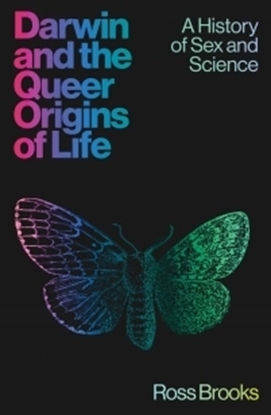
Darwin and the Queer Origins of Life
9780300287202
€34,99
A revelatory history of sex, gender, and science from Linnaeus to DarwinWhat did Darwin and Linnaeus really think about sex? In print, their descriptions of animal courtship painted a comfortingly traditional picture: males were belligerent show-offs, females were choosy and skittish, and the two came together in unions curiously akin to human marriage. But in truth, the forefathers of evolutionary science were acutely aware that this was not the whole story. The reality was far more messy and ambiguous. In this iconoclastic history, Ross Brooks shows how queerness was at the heart of evolutionists’ thinking about the natural world. From hermaphroditic slugs and sex-changing birds to male pigeon lactation, pregnant male seahorses, and bisexual pigs, Darwin and his fellow naturalists were privately in awe of nature’s sexual diversity. These encounters fundamentally shaped their understanding of plants, animals, and humans, even if they were never fully acknowledged in their published writings. Brooks radically exposes us to the hidden queerness of Georgian and Victorian science—and shows how nature has always been more sexually diverse than we’ve been told. Lees meer

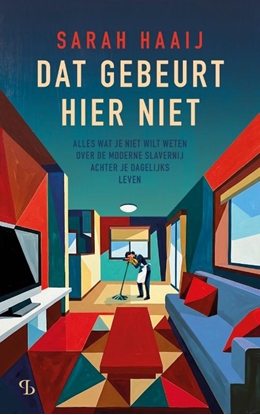
Dat gebeurt hier niet
9789463825399
€22,99
Onderzoeksjournalist Sarah Haaij belicht de onthutsende wereld van de onmisbare arbeidsmigranten, die ons dagelijks leven mogelijk maken. Lees meer

