Middeleeuwen (500-1500)

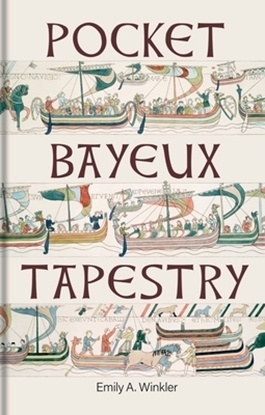
Pocket Bayeux Tapestry
A beautifully illustrated guide published to coincide with the loan of the tapestry to Britain in 2026.
Having survived revolution, numerous wars, fire and attempted seizure over the course of 900 years, the Bayeux Tapestry has emerged with totemic status as one of the most important artefacts of European history. Spread out over seventy metres, the Tapestry unfolds the story of the Conquest of England in 1066, from the end of the reign of Edward the Confessor to an account of the Battle of Hastings and the defeat of King Harold and his army by the invasion force of William, Duke of Normandy.
Long admired for its unity of vision and its exquisite workmanship, the Tapestry is an eloquent narrative, filled with urgency, drama, suspense, pathos and the brutal reality of war. It is also endlessly fascinating, with depictions of Halley’s Comet and the earliest surviving representation of Westminster Abbey, fleets of ships and cavalry, and, in the borders, everything from animal fables to obscene sketches.
This handy guide reproduces the beautiful drawings of the Tapestry made by the 19th-century French artist Victor Sansonetti, together with translations of the Latin titles and a concise commentary on each plate, while the introduction sets the Tapestry in its historical context. Published to coincide with the loan of the Tapestry to Britain in 2026, it provides an excellent primer to this magnificent historical survival.
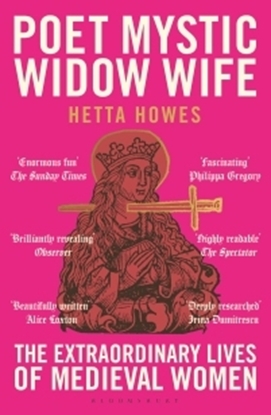
Poet, Mystic, Widow, Wife
'A fascinating book about four women - it tells us so much about their world, and about our own… What jumps off the page is the liveliness of the women, their passion, their courage and their own way of being...' PHILIPPA GREGORY, author of The Other Boleyn Girl and Normal Women
'A celebration of female ambition and endeavour... enormous fun' The Sunday Times
A spectacular, vivid, groundbreaking work of history which takes us into the minds and lives of medieval women.
What was life really like for women in the medieval period? How did they think about sex, death and God? Could they live independent lives? And how can we hear their stories?
Few women had the luxury of writing down their thoughts and feelings during medieval times. But remarkably, there are at least four extraordinary women who did. Marie de France, a poet; Julian of Norwich, a mystic and anchoress; Christine de Pizan, a widow and court writer; and Margery Kempe, a "no-good wife". In their own ways these four very different writers pushed back against the misogyny of the period. Each broke new ground in women’s writing and left us incredible insights into the world of medieval life and politics.
This mesmerizing book is an unforgettably lively and immersive journey into the everyday lives of medieval women through the stories of these four iconic women writers, some of which are retold here for general readers for the first time.
Powers and Thrones
The instant Sunday Times bestseller
A Times, New Statesman and Spectator Book of the Year
'Simply the best popular history of the Middle Ages there is' Sunday Times
'A great achievement, pulling together many strands with aplomb' Peter Frankopan, Spectator, Books of the Year
'It's so delightful to encounter a skilled historian of such enormous energy who's never afraid of being entertaining' The Times, Books of the Year
'An amazing masterly gripping panorama' Simon Sebag Montefiore
'A badass history writer... to put it mildly' Duff McKagan
'A triumph' Charles Spencer
Dan Jones's epic new history tells nothing less than the story of how the world we know today came to be built. It is a thousand-year adventure that moves from the ruins of the once-mighty city of Rome, sacked by barbarians in AD 410, to the first contacts between the old and new worlds in the sixteenth century. It shows how, from a state of crisis and collapse, the West was rebuilt and came to dominate the entire globe. The book identifies three key themes that underpinned the success of the West: commerce, conquest and Christianity.
Across 16 chapters, blending Dan Jones's trademark gripping narrative style with authoritative analysis, Powers and Thrones shows how, at each stage in this story, successive western powers thrived by attracting – or stealing – the most valuable resources, ideas and people from the rest of the world. It casts new light on iconic locations – Rome, Paris, Venice, Constantinople – and it features some of history's most famous and notorious men and women.
This is a book written about – and for – an age of profound change, and it asks the biggest questions about the West both then and now. Where did we come from? What made us? Where do we go from here?
Also available in audio, read by the author.


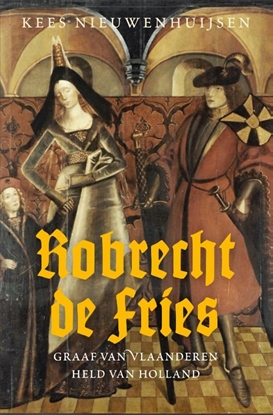
Robrecht de Fries
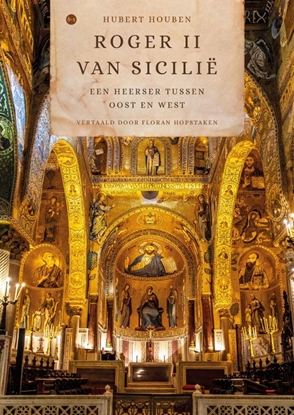
Roger II van Sicilië


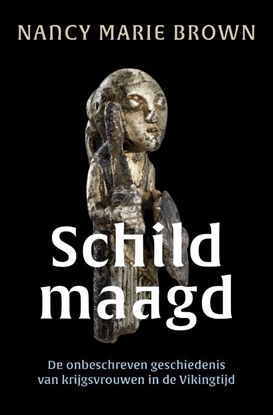
Schildmaagd

Sisters of Sword and Shadow
'An interesting thing happens, when a man is defeated in combat by a woman . . . He tells nobody.'
Destined for an arranged marriage, Cass dreams of freedom. So when a fierce and beautiful leather‑clad woman rides up and offers to take her away, Cass doesn’t hesitate to join her. She is introduced to the Sisters of Sword and Shadow - a group of female knights training to fight, protect their community and right the wrongs of men. Drawn into a world of ancient feuds, glorious battles, and deadly intrigue, Cass soon discovers she holds a power that could change not only her own fate but that of her entire sisterhood.
Introducing Laura Bates' fantasy debut, the first in a breathtaking and sweeping duology, exploring questions about power, courage and the stories we tell about the past.
Praise for Sisters of Sword and Shadow:
‘Sisters of Sword and Shadow is absolutely brilliant. Beautiful, fierce, and furious - full of the power and magic of sisterhood in every sense. I loved it.’ Katherine Webber, bestselling author of Twin Crowns
‘An empowering and courageous tale of a daring sisterhood in which true chivalry means fighting for what you believe in.’ Bea Fitzgerald, bestselling author of Girl, Goddess, Queen
‘A dazzling tale of courage, power and sisterhood, with a heroine to truly root for. I loved every breathtaking minute of this fierce, feminist epic fantasy.’ Catherine Doyle, bestselling author of Twin Crowns
Lees meer