
Monografie (kunst)
Michael Raedecker



Monet
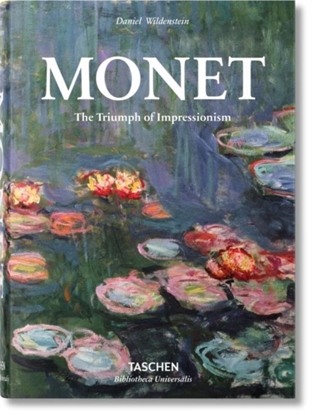
No other artist, apart from J. M. W. Turner, tried as hard as Claude Monet (1840–1926) to capture light itself on canvas. Of all the Impressionists, it was the man Cézanne called “only an eye, but my God what an eye!” who stayed true to the principle of absolute fidelity to the visual sensation, painting directly from the object.
It could be said that Monet reinvented the possibilities of color. Whether it was through his early interest in Japanese prints, his time as a conscript in the dazzling light of Algeria, or his personal acquaintance with the major painters of the late 19th century, the work Monet produced throughout his long life would change forever the way we perceive both the natural world and its attendant phenomena. The high point of his explorations was the late series of water lilies, painted in his own garden at Giverny, which, in their approach toward almost total formlessness, are really the origin of abstract art.
This biography does full justice to this most remarkable and profoundly influential artist, and offers numerous reproductions and archive photos alongside a detailed and insightful commentary.

Monet
One of the most famous and admired painters of all time, Claude Monet (1840– 1926) was the architect of impressionism—a revolution that gave birth to modern art. His technique of painting outside at the seashore or in city streets was as radically new as his subject matter: the landscapes and middle-class pastimes of a newly industrialized Paris. Working with unprecedented immediacy and authenticity, Monet claimed that his work was both natural and true, and therefore, entirely novel.
In Monet, James H. Rubin, one of the world’s foremost specialists in nineteenth-century French art, traces Monet’s development, from his early work as a caricaturist to the late paintings of water lilies and his garden at Giverny. Rubin explores the cultural currents that helped shape Monet’s work, including the utopian thought that gave rise to his politics, his interest in Japanese prints and gardening, and his relationship with earlier French landscape painters and contemporaries such as E´douard Manet and Pierre-Auguste Renoir.
Featuring more than 150 color illustrations of his key works, Rubin establishes Monet as the inspiration for generations of avant-garde artists and a true patriarch of modern art.
Lees meer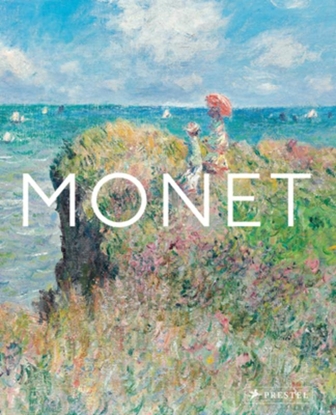
Monet
From early works depicting the forests at Fontainebleau and the beach at Sainte-Adresse, to his revolutionary water lily series, this gorgeous volume showcases Monet’s mastery of light, color, and movement; his fluid and rhythmic brushstrokes; and his reverence for the natural world.
Thematically arranged, it features sixty impeccable reproductions, including foldout spreads of six essential masterpieces: Impression, Rising Sun; Woman with a Parasol; Bordighera; Venice, Palazzo Dario; Water Lily Pond; and Willows in the Morning.
This immersive volume is the next best thing to standing in an art gallery examining a Monet painting from different angles and distances. From luminous beach scenes and brilliant Mediterranean afternoons to captivating cityscapes and the restful beauty of Giverny, this book encapsulates the essence of Monet’s groundbreaking style and enduring legacy.
Perfect for both seasoned art connoisseurs and those newly discovering the wonders of Impressionism, this volume will delight and inspire with every turn of its pages, making it an unforgettable gift for any lover of art and beauty. Lees meer
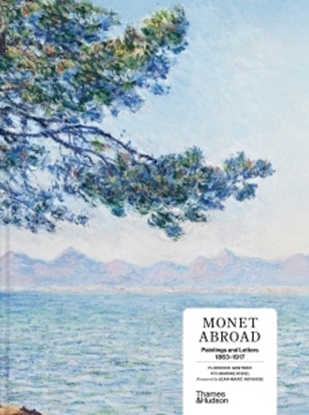
Monet Abroad
A major figure of impressionism, known primarily for his paintings of water lilies, Claude Monet was also a frequent, but discreet traveler. For more than fifty years, he made his way through Europe, looking for remarkable scenes, reflections, nuances, and transparencies of light to capture through his painting—the result of patient, obsessive observation.
From Normandy to Venice, via London, Brittany, the Mediterranean, and the banks of the Seine, his travels were far more than mere journeys: they were an incessant quest for visual sensations. Art historian Florence Gentner retraces his artistic and personal voyages, showing how twenty destinations profoundly influenced some 250 of his major works, as well as the evolution of his color palette.
Extracts from more than one hundred letters, numerous sketches, notebook excerpts, and high-definition reproductions reveal the circumstances of his journeys and convey the painter’s state of mind while he was away from home. His travel paintings constitute an exceptional body of work, enriched by an insightful analysis from Marine Kisiel, a heritage curator.
Part artistic biography, part travelogue, Monet Abroad reveals the modernity and insatiable curiosity of a painter constantly in search of new horizons and new subjects.
Lees meer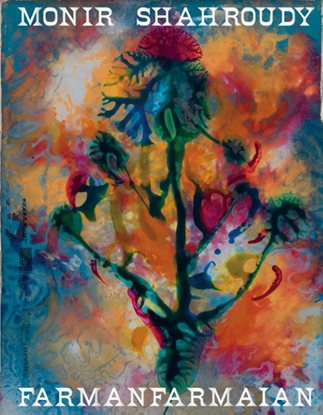
Monir Shahroudy Farmanfarmaian
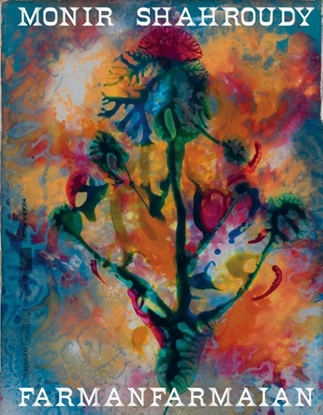
Monir Shahroudy Farmanfarmaian
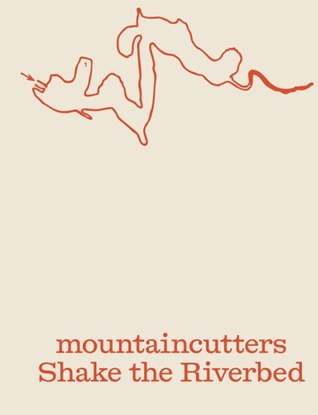
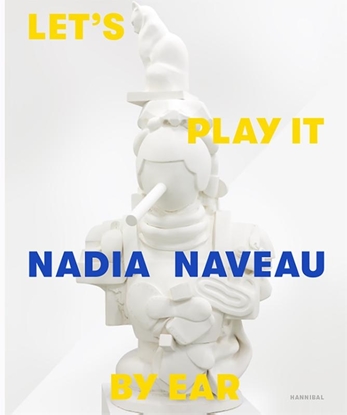

Narcisse tordoir
Maak kennis met het mysterieuze universum van kunstenaar Narcisse Tordoir
Lees meer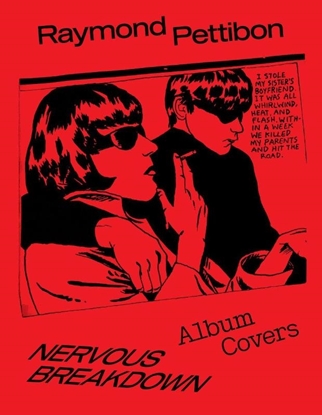
Nervous Breakdown: Raymond Pettibon, Album Covers
Throughout his decades-long career, Raymond Pettibon has remained deeply engaged with the world around him, whether through biting political satire of American geopolitics or poetic meditations on surfing and baseball. Pettibon’s aesthetic and political sensibilities originated in the punk scene that thrived in Southern California, the artist’s first home, in the late 1970s and 1980s—evidenced in his collaborations with bands such as the Minutemen, Sonic Youth, and Saccharine Trust. Among the most iconic works featured in this collection is Pettibon’s four-column logo design for Black Flag. His distinctive artwork appears on albums for a wide range of legendary musicians, including Iggy Pop, Foo Fighters, and Lana Del Rey, among many others.
Nervous Breakdown spotlights the artist’s enduring impact on the music industry, presenting for the first time every record, CD, and cassette cover since 1978 that features his artwork. Published on the occasion of an exhibition at the Wilhelm-Hack-Museum in Ludwigshafen, Germany, this catalogue features more than two hundred works from the Stefan Thull Collection. With essays by Max Dax, Robert Eikmeyer, and Ulrich Loock, and a 1985 Artforum essay by Kim Gordon, the book includes a catalogue raisonné of Pettibon’s album artwork, an essential resource for fans, scholars, and collectors of contemporary art and music history alike. Lees meer
