
Monografie (kunst)
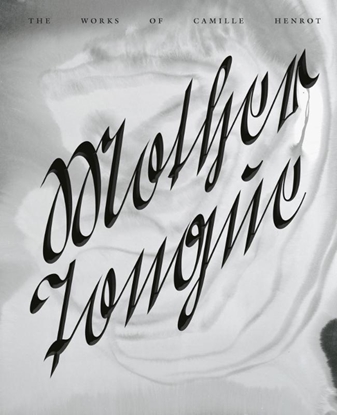
Camille Henrot: Mother Tongue
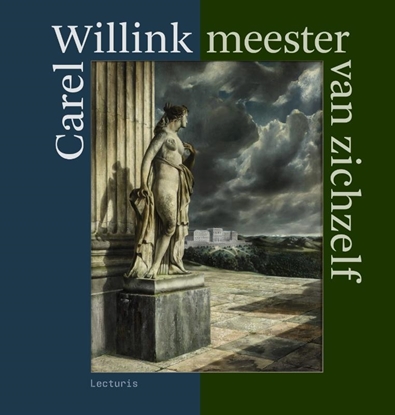
Carel Willink Meester van zichzelf

Cezanne
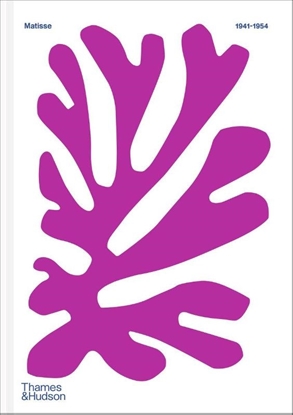
Colour Unbound: Henri Matisse 1941–1954
1941 marked a turning point in the life and work of Henri Matisse. At the age of seventy-two, he underwent major surgery that left him physically fragile. Yet Matisse viewed this moment not as a setback but as an opportunity "to make the greatest progress of my life." From that point until his death in 1954, he entered one of the most inspired and productive periods of his career. During those years, he created some of his greatest masterpieces—from the Chapel of the Rosary in Vence to his luminous cutout gouaches, including Jazz. Vibrant and full of life, his late work stands in striking contrast to his declining physical state: dynamic, immediate, and universally accessible.
Published to accompany the major exhibition at the Grand Palais in Paris, this catalog brilliantly captures this late burst of creative vitality. Elegantly designed and beautifully printed, it brings together superb full-page reproductions of Matisse's artworks alongside rarely seen photographs of his studio, taken by renowned photographers such as Adant, Capa, Carone, Cartier-Bresson, Sima, and Maywald. This visual dialogue—enriched by expert commentary—offers a deeper understanding of Matisse's final years and vividly conveys the synergy between art and life.
Lees meer
Creative Inspiration

David Hockney
Published in association with the Fondation Louis Vuitton, Paris, to coincide with their major 2025 David Hockney exhibition, this vivid book charts the life and work of one of Britain’s most popular and significant artists. Expertly written by preeminent curatorial experts, art historians, and critics including Sir Norman Rosenthal, Sir Simon Schama, and Fiona Maddocks, this definitive survey combines a curated selection of archival photographs and eye-catching artworks presented in a lavish, large-format book to offer a visually engaging and detailed journey through Hockney’s remarkable life and career.
Following an introduction that offers an overview of Hockney’s life and work, a series of chapters explore in detail the important moments and signature styles and preoccupations of the artist’s varied career, from his early life in Bradford and London through his years in California to his later life in Bridlington, Yorkshire, and Normandy. Several of the chapters are arranged thematically according to artistic subject matter and medium, ranging from still lifes and portraits to his much-loved landscapes and stunning designs for opera. A final chapter explores Hockney’s engagement with new technology, particularly the iPad, demonstrating the endless inventiveness, curiosity, and creativity that have characterized Hockney’s work over the decades.
Compiled with the full involvement of David Hockney and his studio, and with a large-scale landscape format with a selection of gatefolds that enables the reader to revel in the art, this is the most important book on Hockney’s entire career to have been published, and will appeal to the many fans of the artist’s work across the globe.
Lees meer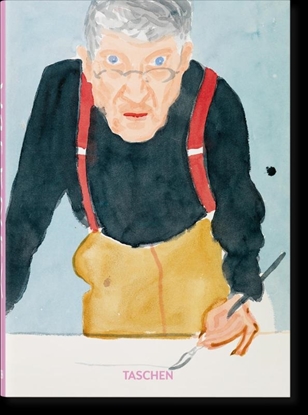
David Hockney
Pop artist, painter of modern life, landscape painter, master of color, explorer of image and perception—for six decades, David Hockney has been known as an artist who always finds new ways of exploring the world and its representational possibilities. He has consistently created unforgettable images: works with graphic lines and integrated text in the Swinging Sixties in London; the famous swimming pool series as a representation of the 1970s California lifestyle; closely observed portraits and brightly colored, oversized landscapes after his eventual return to his native Yorkshire. In addition to drawings in which he transfers what he sees directly onto paper, there are multiperspective Polaroid collages that open up the space into a myriad of detailed views, and iPad drawings in which he captures light using a most modern medium—testaments to Hockney’s enduring delight in experimentation.
This special edition has been newly assembled from the two volumes of the David Hockney: A Bigger Book monograph to celebrate TASCHEN’s 45th anniversary. Hockney’s life and work is presented year by year as a dialogue between his works and voices from the time period, alongside reviews and reflections by the artist in a chronological text, supplemented by portrait photographs and exhibition views. Together they open up new perspectives, page after page, revealing how Hockney undertakes his artistic research, how his painting develops, and where he finds inspiration for his multifaceted work.
David Hockney
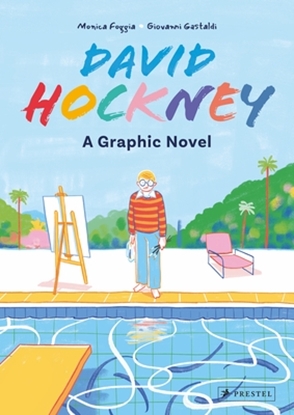
David Hockney’s career is highlighted by his continuous pursuit of new mediums, even as he remained steadfastly true to his identity.Told from the perspective of a contemporary and former art college friend of the artist, this graphic biography shows how Hockney’s nonconformity and fierce individualism made him famous while still a student and explores his friendships with other artists.
It illustrates his highly productive years in Los Angeles, where the region’s vibrant culture and extraordinary light inspired his famous swimming pool series as well as his portraits of wealthy Californians. Readers learn about the artist’s experimentations with photography and other technologies; his brave and heartfelt documentation of the AIDS crisis; and his lifelong fascination with color. Finally, it portrays the artist’s mature years, as he embraced digital technology to fascinating and groundbreaking affect.
Highlighting his most renowned exhibitions in museums around the world, this inspirational story comes vividly to life through the first person narrative and the imaginative graphics that express the ways a multitude of styles, themes, and personalities are woven into the life of a prolific and relentlessly creative artist. Lees meer
