
Winkelwagen
Zoek
Natuur populair algemeen
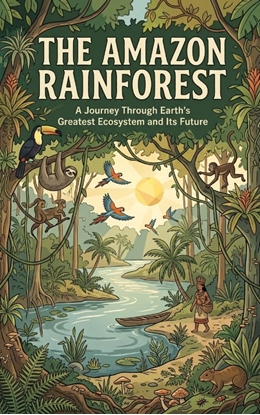
The Amazon Rainforest
9789465628127
€16,95
The Amazon Rainforest spans nine countries and holds a significant share of the planet's biodiversity, making it a subject of ongoing scientific and public interest. Lees meer
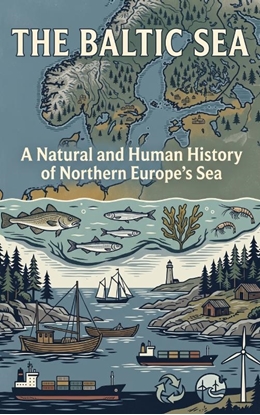
The Baltic Sea
9789465628097
€16,95
The Baltic Sea is one of the world's largest bodies of brackish water, a semi-enclosed basin shaped by glaciers, bordered by nine countries, and defined by a slow exchange of water with the North Sea. Lees meer


The Beginner's Telescope
9789465650470
€16,95
Choosing a first telescope can feel complicated, with many types, sizes, and prices to consider. Lees meer




The Dead Sea
9789465628134
€16,95
The Dead Sea occupies a unique place among the world's bodies of water, lying at the lowest point on Earth's land surface and holding a concentration of salt that supports almost no aquatic life. Lees meer
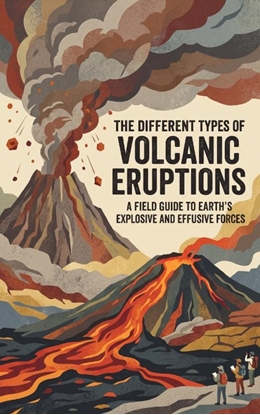
The Different Types of Volcanic Eruptions
9789465627564
€16,95
Volcanic eruptions take many forms, each shaped by the composition of magma, the amount of dissolved gas it holds, and the geological setting in which it occurs. Lees meer
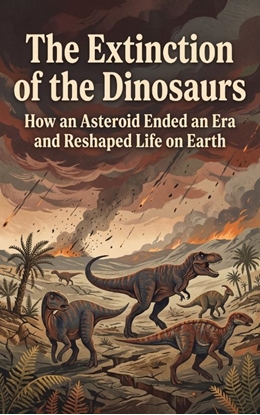
The Extinction of the Dinosaurs
9789465628141
€16,95
Sixty-six million years ago, an asteroid strike near the Yucatan Peninsula set in motion one of the most significant events in the history of life on Earth. Lees meer



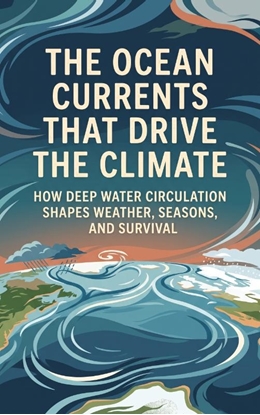
The Ocean Currents That Drive the Climate
9789465627458
€16,95
Beneath the surface of every ocean, vast currents move heat, salt, and nutrients across the globe, quietly shaping the climate systems that govern daily life. Lees meer

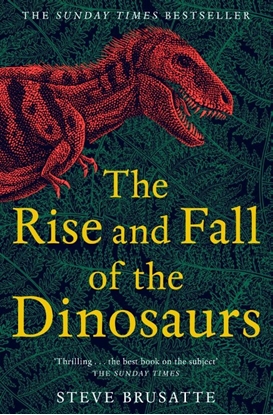
The Rise and Fall of the Dinosaurs
9781509830091
€19,99
A thrilling re-evaluation of the creatures that ruled the earth for 150 million years by one of the world's leading paleontologists. Lees meer

The Secret Life of Trees
9789465591797
€16,95
Trees do more than grow in silence. Beneath the forest floor and through the air above it, they exchange signals, share resources, and respond to threats in ways that science is only beginning to map. Lees meer

The Song of the Dodo
9780684827124
€27,95
David Quammen's "The Song of the Dodo" explores evolution and extinction through personal observation, scientific theory, and history, revealing the urgent implications of habitat fragmentation. Lees meer
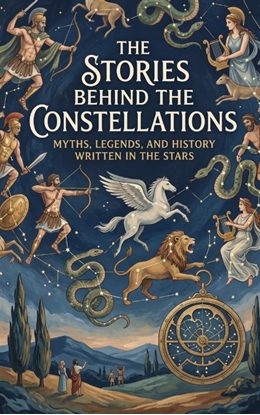
The Stories Behind the Constellations
9789465585093
€16,95
Discover the myths and legends behind the constellations from different cultures. This book explains the origins of the figures we see in the night sky. Lees meer
