Nieuwe geschiedenis (1500-1870)
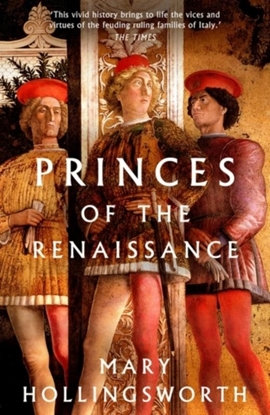
Princes of the Renaissance
A beautifully illustrated history of the Renaissance told through the lives of its most important and influential patrons.
'Exceptionally sumptuous... This vivid history brings to life the vices and virtues of the feuding ruling families of Italy.' Michael Prodger, The Times
'Full of treasures to be uncovered... A chance to visit a glittering, at times rather gory, world that is different and yet dreamily familiar to our own.' BBC History Revealed
From the late Middle Ages, the independent Italian city-states were taken over by powerful families who installed themselves as dynastic rulers. Inspired by the humanists, the princes of fifteenth- and sixteenth-century Italy immersed themselves in the culture of antiquity, commissioning palaces, villas and churches inspired by the architecture of ancient Rome, and offering patronage to artists and writers.
Many of these princes were related by blood or marriage, creating a web of alliances that held society together but whose tensions sometimes threatened to tear it apart; thus were their lives dominated as much by the waging of war as the nurture of artistic talent.
In a narrative that is as rigorous and closely researched as it is accessible and informative, Mary Hollingsworth sets the princes' aesthetic achievements in the context of the volatile, ever-shifting politics of a tumultuous period of history.


Radicale Verlichting



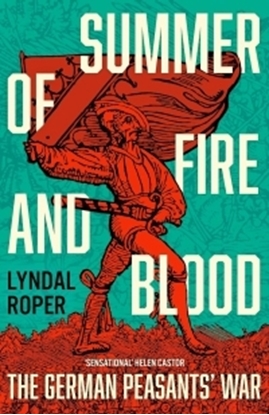
Summer of Fire and Blood
The definitive history of the sixteenth-century uprising that revolutionized Europe.
The German Peasants' War was the greatest popular uprising in Western Europe before the French Revolution. In 1524 and 1525, it swept across Germany with astonishing speed as thousands of people massed in armed bands to demand a new and more egalitarian order. The peasants took control of vast areas of southern and middle Germany, torching and plundering the monasteries, convents, and castles that stood in their way. But they would prove no match for the forces of the lords, who put down the revolt by slaying somewhere between seventy and a hundred thousand peasants in just over two months.
In Summer of Fire and Blood, the first history of the German Peasants' War in a generation, leading historian Lyndal Roper uncovers the far-reaching ramifications of this doomed rebellion. Though the victors portrayed the uprising as naive and chaotic, Roper's deeply researched account reveals instead a coherent mass movement inspired by the radical principles of the Protestant Reformation. Told through the voices of and beliefs of the people themselves, this is the thrilling, tragic story of the peasants' fight to change the world.