(Sociale) geografie algemeen
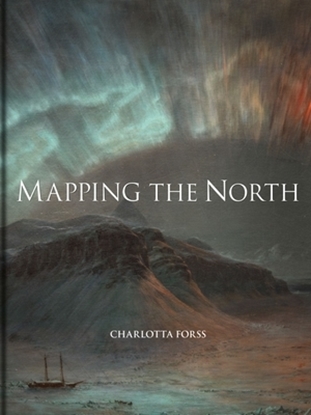
Mapping the North
Maps have played a central role in our understanding of what and where the north is. At the same time, the northernmost reaches of our world have, for much of history, been difficult to navigate and verify, from the mythical islands on medieval maps to the itineraries of Arctic explorers in the nineteenth century. This has inspired inventive mapping strategies, as well as ongoing struggles to define what constitutes believable cartographic information.
This beautifully illustrated book takes the reader on a journey to examine the rich, and sometimes contentious, history of how mapmakers have understood and processed knowledge about a region they described as ‘the north’. In the process of mapping, the north as a place changed from an inaccessible and vividly imagined unknown to a region claimed and exploited by southern nations. What emerges is a riveting story of exploration, survival and cartographic skill bound up with conceptions of nature, religion and politics extending far beyond the Arctic.
Lees meer



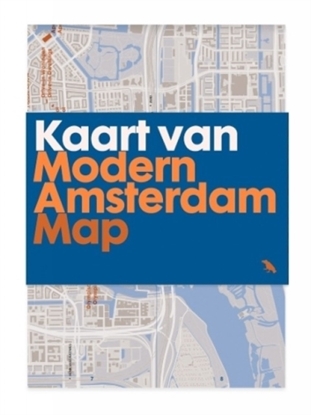
Modern Amsterdam Map
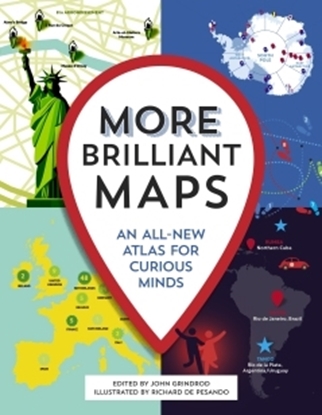
More Brilliant Maps
Where are the best places to hunt for sunken treasure?
Which are the world's noisiest cities?
Who travelled further on tour: Taylor Swift or Coldplay?
Where is the town with no wifi?
How many countries are wider than the moon?
Maps don't just show us where we are, they show us how we live. They reveal unexpected connections between far-flung places, they show how history has shaped geography, and they uncover fascinating facts that will spark your curiosity.
This stunning collection of 100 maps will take you on a unique visual journey through history, geography, identity sport, the arts, technology, space, and more. If you have ever wondered how many dinosaurs would fit the length of Vatican city, where to go diving for shipwrecked treasure, or which country imports the most ketchup, this is the book for you.
Lees meer
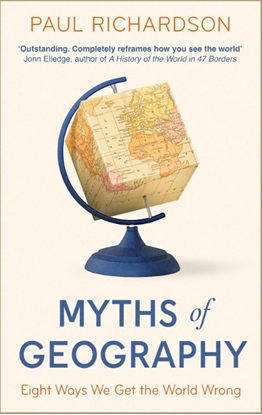
Myths of Geography
'Outstanding. Completely reframes how you see the world in the very first chapter, and then does it again seven more times. You'll never look at a map the same way again'
Jonn Elledge, author of A History of the World in 47 Borders
Is geography really destiny?
Our maps may no longer be stalked by dragons and monsters, but our perceptions of the world are still shaped by geographic myths. Myths like Europe being the centre of the world. Or that border walls are the solution to migration. Or that Russia is predestined to threaten its neighbours.
In his punchy and authoritative new book, Paul Richardson challenges recent popular accounts of geographical determinism and shows that how the world is represented often isn't how it really is - that the map is not the territory.
Along the way we visit some remarkable places: Iceland's Thingvellir National Park, where you can swim between two continents, and Bir Tawil in North Africa, one of the world's only territories not claimed by any country. We follow the first train that ran across Eurasia between Yiwu in east China and Barking in east London, and scale the US-Mexico border wall to find out why such fortifications don't work.
Written with verve and full of quotable facts, Myths of Geography is a book that will turn your world upside down.
Lees meer