Beeldende kunst

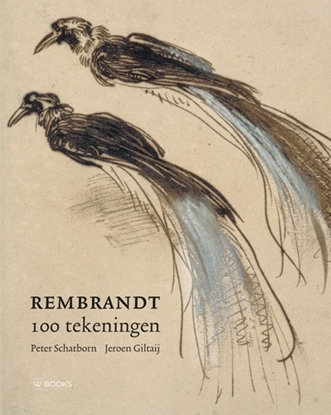
Rembrandt
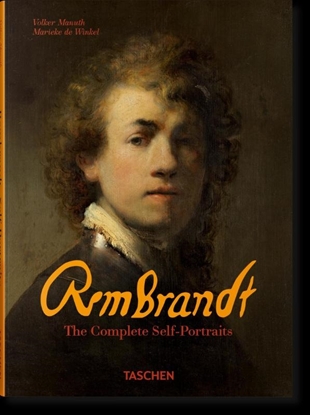
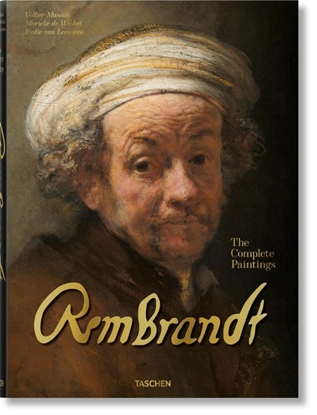
Few devotees of the form can approach Rembrandt Harmenszoon van Rijn’s radical contributions to self-portraiture. Challenging the conventions enshrined by his predecessors, Rembrandt transformed the art into a fully realized medium capable of communicating emotional depth rather than favorably immortalizing one’s likeness in the finest trappings of luxury. With more than 80 works spanning paintings, etchings, and drawings, the Dutchman’s lifelong practice of self-portraiture functions as a means of concretizing that which is fleeting. Across four decades, one constant is particularly striking across media and styles—Rembrandt’s dedication to presenting himself from multiple perspectives, celebrating the multiplicity of the individual and championing the unfiltered portrayal of emotional expression.
Apart from the thematic concerns present within Rembrandt’s suite of self-portraits, the works themselves are rich with technical innovation and experimentation. There is an unmistakable humanity present across the entirety of this oeuvre, each expressive brushstroke and obfuscated feature amounting to an unflinchingly honest characterization of himself, in all his foibles, contrasting states of feeling, and stages of life.
This monograph renders all of Rembrandt’s self-portraits – from his first experimentations at age twenty-two to his final self-portrait painted a year before his death – and stands testament to a life committed to revolutionizing painterly practice both in content and form.
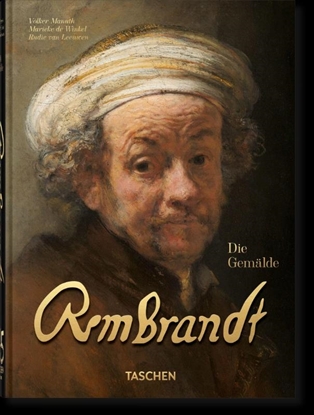
Rembrandt
He was the most sought-after painter in the prosperous trading city of Amsterdam yet died completely impoverished. Though he never left his homeland, Rembrandt Harmensz. van Rijn's (1606–1669) work extends far beyond the confines of his personal experience, constituting some of the most effective and multifaceted works in art history, forever engraved on the collective memory – The Night Watch, epitomizing the flowering of Dutch urban culture in the 17th century, or Self-Portrait as Zeuxis, which remains enigmatic to this day.
As an artist of the Dutch Golden Age, Rembrandt's interest was in human passions. Bible scenes such as Bathsheba with King David’s Letter (1654) also highlight the subjects’ vulnerability, going far beyond what had previously been depicted in painting. Rembrandt also left behind a large number of self-portraits – no other artist of the time portrayed himself so frequently, thus documenting his own development from youth to old age.
Following our XXL bestseller, TASCHEN is now releasing this abridged, more compact edition featuring Rembrandt's paintings in stunning reproductions – from Belshazzar's Feast (c. 1635) to his furious late work, this is a chance to experience Rembrandt's painterly oeuvre in a whole new way.

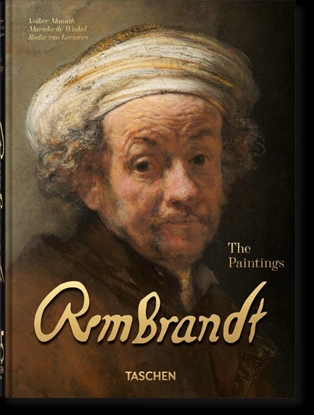
Rembrandt
He was the most sought-after painter in the prosperous trading city of Amsterdam yet died completely impoverished. Though he never left his homeland, Rembrandt Harmensz. van Rijn's (1606–1669) work extends far beyond the confines of his personal experience, constituting some of the most effective and multifaceted works in art history, forever engraved on the collective memory – The Night Watch, epitomizing the flowering of Dutch urban culture in the 17th century, or Self-Portrait as Zeuxis, which remains enigmatic to this day.
As an artist of the Dutch Golden Age, Rembrandt's interest was in human passions. Bible scenes such as Bathsheba with King David’s Letter (1654) also highlight the subjects’ vulnerability, going far beyond what had previously been depicted in painting. Rembrandt also left behind a large number of self-portraits – no other artist of the time portrayed himself so frequently, thus documenting his own development from youth to old age.
Following our XXL bestseller, TASCHEN is now releasing this abridged, more compact edition featuring Rembrandt's paintings in stunning reproductions – from Belshazzar's Feast (c. 1635) to his furious late work, this is a chance to experience Rembrandt's painterly oeuvre in a whole new way.
Rembrandt
He was the most sought-after painter in the prosperous trading city of Amsterdam yet died completely impoverished. Though he never left his homeland, Rembrandt Harmensz. van Rijn's (1606–1669) work extends far beyond the confines of his personal experience, constituting some of the most effective and multifaceted works in art history, forever engraved on the collective memory – The Night Watch, epitomizing the flowering of Dutch urban culture in the 17th century, or Self-Portrait as Zeuxis, which remains enigmatic to this day.
As an artist of the Dutch Golden Age, Rembrandt's interest was in human passions. Bible scenes such as Bathsheba with King David’s Letter (1654) also highlight the subjects’ vulnerability, going far beyond what had previously been depicted in painting. Rembrandt also left behind a large number of self-portraits – no other artist of the time portrayed himself so frequently, thus documenting his own development from youth to old age.
Following our XXL bestseller, TASCHEN is now releasing this abridged, more compact edition featuring Rembrandt's paintings in stunning reproductions – from Belshazzar's Feast (c. 1635) to his furious late work, this is a chance to experience Rembrandt's painterly oeuvre in a whole new way.
Rembrandt



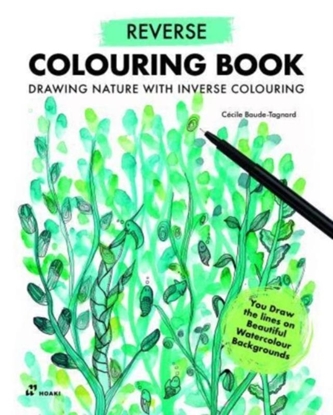
Reverse Coloring Book: Drawing Nature with Inverse Coloring

Rombout Verhulst 1624-1698
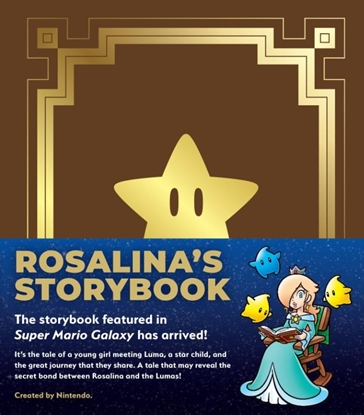
Rosalina's Storybook
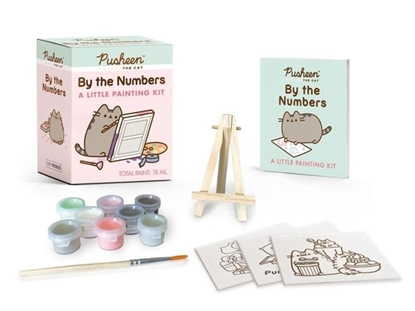
RP Minis Pusheen by the Numbers
Pusheen by the Numbers offers artists of every age the chance to paint and display their favorite lazy, lovable feline no matter where or when inspiration strikes.
- Specifications: Includes everything you need to create three 3-1/8 X 2-1/4 inches mini masterpieces including: 1 mini paintbrush, 8 paint pots, 3 pre-printed canvases, 1 easel, and a fold-out sheet with numbered sections and easy-to-follow instructions
- Book Included: 16-page mini book with painting tips and instructions
- A Perfect Gift: A fun, crafty, and creative gift for Pusheen fans of all ages
- Portable: Small size allows for fun anytime, anywhere
- Officially Licensed: An authentic Pusheen product
Ruud van Empel