
Beeldende kunsttechnieken

Colour Theory for Artists
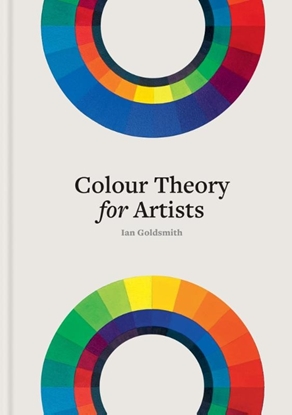
The essential guide to colour theory and mixing for artists.
Full of beautiful, intricate handpainted colour wheels and practical advice on using and mixing colour, this book is a must-have for any artist working with pigment and paint. Starting from the basics of colour and working up to the complexities of tonality, harmony, opacity and pigment, artist Ian Goldsmith explores and explains all the key elements of colour and what it can do. A comprehensive paint index at the back of the book provides an indispensable reference guide for choosing and purchasing materials that no practising artist should be without.
Including:
- Understanding the colour wheel
- Primaries, secondaries and tertiaries
- Colour temperature
- Hue, value and saturation
- Opacity and transparency
- Materials and pigments
Colours

Colours of Art
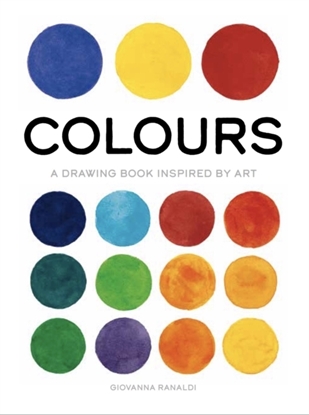
Colours of Art takes the reader on a journey through history via 80 carefully curated artworks and their palettes. For these pieces, colour is not only a tool (like a paintbrush or a canvas) but the fundamental secret to their success.
Colour allows artists to express their individuality, evoke certain moods and portray positive or negative subliminal messages. And throughout history the greatest of artists have experimented with new pigments and new technologies to lead movements and deliver masterpieces. But as something so cardinal, we sometimes forget how poignant colour palettes can be, and how much they can tell us.
When Vermeer painted The Milkmaid, the amount of ultramarine he could use was written in the contract. How did that affect how he used it? When Turner experimented with Indian Yellow, he captured roaring flames that brought his paintings to life. If he had used a more ordinary yellow, would he have created something so extraordinary? And how did Warhol throw away the rulebook to change what colour could achieve?
Structured chronologically, Colours of Art provides a fun, intelligent and visually engaging look at the greatest artistic palettes in art history – from Rafael’s use of perspective and Vermeer’s ultramarine, to Andy Warhol’s hot pinks and Lisa Brice’s blue women.
Colours of Art offers a refreshing take on the subject and acts as a primer for artists, designers and art lovers who want to look at art history from a different perspective.
Lees meer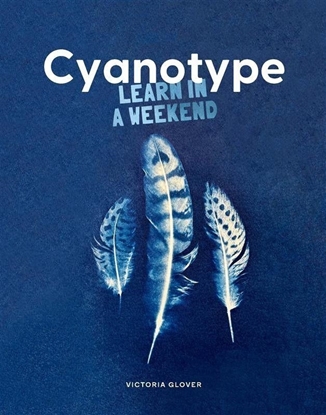
Cyanotype
Photography in its purest form, cyanotype gives distinctive white-on-blue results that are simultaneously graphic, intricate and mysterious. Drawing on Victoria Glover’s experience running workshops for beginners, this book will walk you through the process, step-by-step.
Learn how to print onto a cushion cover, T-shirt, tote bag or lampshade. Or even take your creativity further, using long exposures to create the effect of an X-ray image. With this book you’ll discover just how simple DIY cyanotype can be.
The LEARN IN A WEEKEND series is designed to bring craft to a whole new audience. Presenting accessible, stylish projects in a contemporary style, it’s aimed squarely at hip hobbyists who want to get started quickly, have fun and make something they’d be proud to share. Other titles in the series include Linocut: Learn in a Weekend, Embroidery: Learn in a Weekend and Paper Marbling: Learn in a Weekend and Paper Folding: Learn in a Weekend. Lees meer
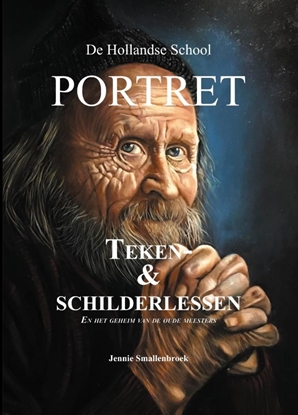
De Hollandse School - Portret teken- & schilderlessen

Do More Art: Inkt

How To Draw Comics The Marvel Way
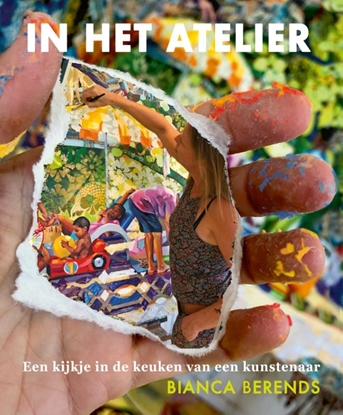
In het Atelier

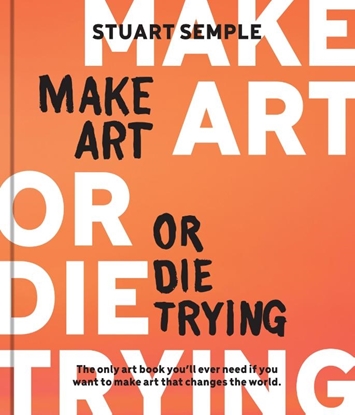
Make Art or Die Trying
Multidisciplinary artist, entrepreneur, and activist Stuart Semple believes that art is for everyone, and that everyone is an artist. Every single human has an inner spark of creativity that can make the world a better place. Art can change people, places, attitudes, and communities, healing and communicating when words aren’t enough.
Make Art or Die Trying empowers you to understand and connect with big art ideas and embrace your creative potential, no matter where you’re starting from. This stunning, informative, and inspiring book demystifies influential art concepts of the 20th and 21st centuries, including happenings, performance art, Bauhaus, and Fluxus, making them super-approachable and inviting you to learn, make art, and make change.
Each chapter:
- Explains a transformative art concept in a simple, straightforward, jargon-free way.
- Shares examples by amazing and innovative artists.
- Offers DIY ideas and exercises that encourage you to explore the concept yourself and ultimately develop your own unique conversation with the wider world.
- Includes a QR code that allows access to an exclusive video by Stuart that takes the conversation to a deeper level.
Let Make Art or Die Trying be your guide to harnessing the power of creative ideas to create art and change in your life and community.
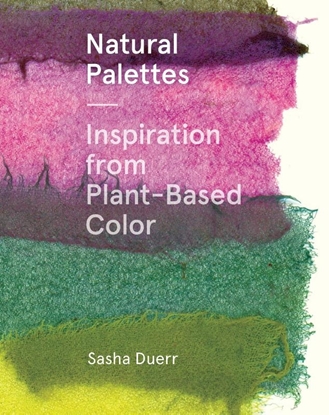
Natural Palettes
Renowned natural dyer, artist, and educator Sasha Duerr envisions a new age of fresh, modern color palettes, drawing from our original source of inspiration and ingredients—the natural world around us.
This innovative plant-based color guide includes twenty-five palettes with five hundred natural color swatches, providing a bounty of ideas for sustainable fashion, textiles, fine art, floral design, food, medicine, gardening, interior design, and other creative disciplines. Bring the healing power of forest bathing into your home with a palette of spruce cones, pine needles, and balsam branches. Move past Pantone and embrace the natural balance of a pollinator palette with Hopi sunflower, red poppy, echinacea, and scabiosa.
Duerr complements her palettes with illuminating reflections on connections between color and landscape, the healing properties of medicinal plants, the ways food and floral waste can be regenerated to enhance lifestyle experiences, the ecological benefits of using natural colors, and more. You may never view color—or the plants that surround us—the same way again. Lees meer


Survival Notes
Survival Notes is an inspiring narrative weaving artists' reflections on success with advice to aspiring creatives. Featuring direct quotes and exclusive interviews with internationally acclaimed artists such as Anish Kapoor, Shirin Neshat, Tracey Emin, Jesse Darling, and Shahzia Sikander, this book offers authoritative counsel on how to thrive in a highly competitive art world as well as thoughtful insights on what it means to be an artist in the twenty-first century.
Nine thematic chapters offer essential guidance on how to negotiate the practical realities of artmaking, with discussions relating to education, self-discipline, gallery representation, mental wellbeing, mentorship and more. In a climate where emerging creatives feel less empowered than ever, Lydia R. Figes provides a hopeful message about perseverance and perspective, while questioning whether the advice given by established practitioners can still be applied today.
Lees meer
Techniques in Painting
A 'How to' book featuring painting techniques used by Dutch Renaissance Masters such as Rembrandt and Rubens, Bruegel and Bosch.
This beautifully illustrated book for practising artists and art students examines everything there is to know about the techniques used by the Dutch Masters of the Golden Age. From the preparation of surfaces and the creation of paints and pigments to the methods used, award-winning artist Brigid Marlin considers how these skills can work in modern settings and includes stunning representations of contemporary artists' work.
Discover the techniques and materials used by Rembrandt in his portraits, how to achieve balance and tension, rhythm and points of interest in the style of Bruegel and Rubens, and how to recreate luminous still-life paintings like those of the Van Eyck brothers. Projects include clear, step-by-step demonstrations to replicate these almost-forgotten techniques as well as examples of works which they inspired.
- 1
- 2
