
Kunstgeschiedenis

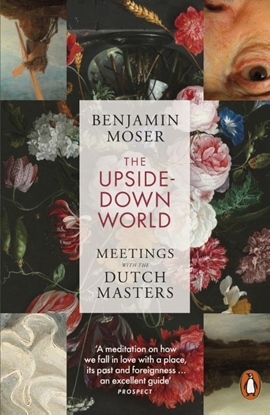
The Upside-Down World
The Pulitzer Prize-winning biographer turns his eye to the seventeenth-century Dutch Golden Age
Twenty years ago, Benjamin Moser followed a love affair to an ancient Dutch town. In order to make sense of this new place, he threw himself into the Dutch museums. Soon, he found himself unearthing the strange, inspiring and sometimes terrifying stories of the artists who shaped one of the most luminous moments in the history of human creativity, the Dutch Golden Age.
As he explored the hidden world of the Dutch Masters (and one Mistress), Moser met a crowd of fascinating personalities: the stormy Rembrandt, the intimate Ter Borch, the mysterious Vermeer. Through their art, he got to know their country, too: from Pieter Saenredam's translucent churches to Paulus Potter's muddy barnyards, and from Pieter de Hooch's cozy hearths to Jacob van Ruisdael's tragic trees. Over the years, Moser found himself on increasingly intimate terms with these centuries-dead artists, and found that they, too, were struggling with the same questions he was. Why do we make art? What is art, anyway - and what is an artist? What does it mean to succeed as an artist, and what does it mean to fail?
The Upside-Down World is an invitation to ask these questions, and to turn them on their heads: to look, and then to look again. It is a brilliant, colourful and learned book for anyone, whether lifelong scholar or curious tourist, who has ever felt the lure of the Dutch galleries. It shows us art, and artists, as we have never seen them before.
Lees meer
The Wild Cards
A beautiful companion set to the award-winning and internationally beloved phenomena, The Lost Words and The Lost Spells, adults and children alike will love receiving, sending and displaying The Wild Cards
'Breathtaking and magical. Jackie Morris has created something that you could spend all day looking at' New Statesman
'Robert Macfarlane and Jackie Morris have made a thing of astonishing beauty' Observer
Discover and share the wonders of the wild world as seen in The Lost Words and The Lost Spells...
This collection of 100 postcards features artwork and words from two beloved modern classics, in which Jackie Morris and Robert Macfarlane celebrate the creatures, trees and plants of nearby nature, from Acorn to Wren, by way of Curlew and Kingfisher, Silver Birch and Snow Hare, Goldfinch and Gorse.
The front of each card bears one of Morris's Greenaway Medal-winning paintings; on the reverse, you will find an accompanying quotation from one of the spell-poems in the Lost books, as well as an identification of the species shown on the card. The remaining space is left blank for you to fill in these wild cards with pen, pencil or paint - and then send them out into the world to make and renew connections.
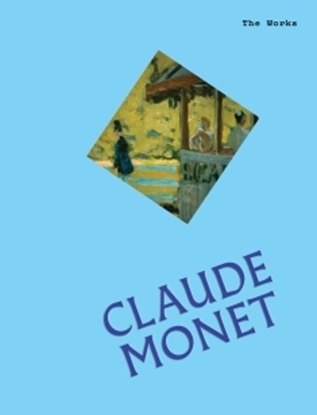
The Works: Claude Monet
The Works: Claude Monet is a stunning art book showcasing
50 of Monet’s most compelling artworks.
From his breathtaking and evolving studies of water lilies to the striking contrasts and rich decadence of his portrait of his wife Camille, this book showcases the beauty and complexity of Monet’s style. Through detailed analyses of each artwork from acclaimed art historian Sally Grant, this is the ultimate introduction to the great artist.
Perfect for budding and seasoned art lovers, or anyone looking for a beautiful, bold book to adorn their shelves or coffee table. This volume is an essential tribute to a trailblazing icon of nineteenth-century art. Lees meer
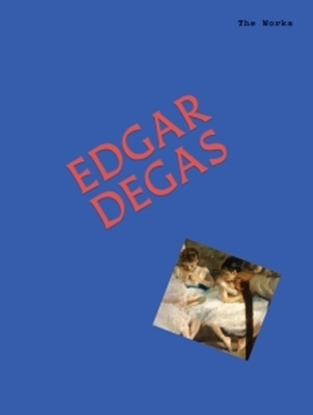
The Works: Edgar Degas
The Works: Edgar Degas is a stunning art book showcasing 50 of Degas’s most compelling artworks.
From the poignant restraint of The Bellelli Family to the lively pastel world captured in The Rehearsal of the Ballet Onstage, this book showcases the beauty and complexity of Degas’s style. Through detailed analyses of each artwork from acclaimed art historian Sally Grant, this is the ultimate introduction to the great artist.
Perfect for budding and seasoned art lovers, or anyone looking for a beautiful, bold book to adorn their shelves or coffee table. This volume is an essential tribute to a trailblazing icon of nineteenth-century art. Lees meer
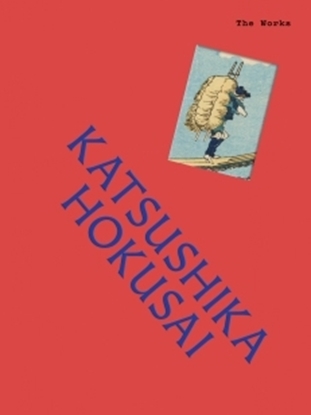
The Works: Katsushika Hokusai
Part of a brand-new series celebrating the works of great artists, The Works: Katsushika Hokusai is a stunning exploration of the iconic visions of a master printmaker whose influence transcends time.
This volume presents fifty of the legendary artist’s most iconic pieces in a striking, high-design book format. From the towering crest of The Great Wave off Kanagawa to the crisp serenity of Cranes and the fiery hues of Fine Wind, Clear Morning, each image is accompanied by insightful analysis and biographical context from acclaimed art historian Sally Grant that unpacks the techniques, themes, and cultural significance behind Hokusai’s enduring legacy.
Perfect for budding and seasoned art lovers, or anyone looking for a beautiful, bold book to adorn their shelves or coffee table, this volume is an essential tribute to a trailblazing icon of nineteenth-century art. Lees meer
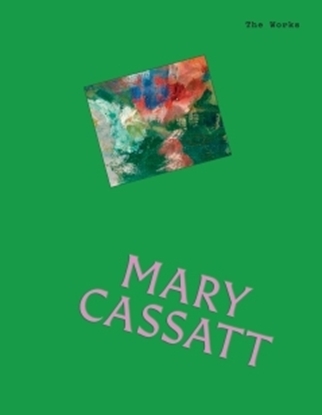
The Works: Mary Cassatt
The Works: Mary Cassatt is a stunning art book showcasing 50 of Mary Cassatt’s most compelling artworks.
From the deep turquoise hues of the radical Little Girl in a Blue Armchair to the assured contemplation of Woman with a Red Zinnia, this book showcases the beauty and complexity of Cassatt’s style. Through detailed analyses of each artwork from acclaimed art historian Sally Grant, this is the ultimate introduction to Mary Cassatt.
Perfect for budding and season art lovers, or anyone looking for a beautiful, bold book to adorn their shelves or coffee table. This volume is an essential tribute to a trailblazing icon of 19th century art.
This book is part of The Works series, also including Vincent van Gogh, Gustav Klimt, Katsushika Hokusai, Edgar Degas and Claude Monet. Lees meer
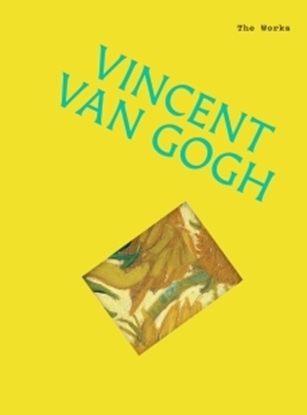
The Works: Vincent van Gogh
Part of a brand-new series celebrating the works of great artists, The Works: Vincent van Gogh is an exquisite exploration of fifty masterpieces from the celebrated Dutch painter, whose work continues to captivate audiences worldwide.
This volume presents the legendary artist’s most iconic pieces in a striking, high-design book format. From the luminous yellows of Sunflowers to the swirling night skies of The Starry Night, each painting is presented in stunning detail, with thoughtful analysis and biographical context from acclaimed art historian Sally Grant that illuminates van Gogh’s passionate approach to color, brushstroke, and emotion.
Perfect for budding and seasoned art lovers, or anyone looking for a beautiful, bold book to adorn their shelves or coffee table, this volume is an essential tribute to a trailblazing icon of nineteenth-century art. Lees meer
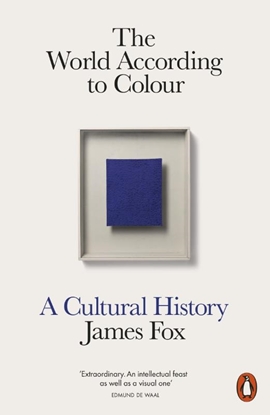
The World According to Colour
'Extraordinary. An intellectual feast as well as a visual one'
Edmund de Waal, author of The Hare with Amber Eyes
The world comes to us in colour. But colour lives as much in our imaginations as it does in our surroundings, as this scintillating book reveals. Each chapter immerses the reader in a single colour, drawing together stories from the histories of art and humanity to illuminate the meanings it has been given over the eras and around the globe. Showing how artists, scientists, writers, philosophers, explorers and inventors have both shaped and been shaped by these wonderfully myriad meanings, James Fox reveals how, through colour, we can better understand their cultures, as well as our own. Each colour offers a fresh perspective on a different epoch, and together they form a vivid, exhilarating history of the world. 'We have projected our hopes, anxieties and obsessions onto colour for thousands of years,' Fox writes. 'The history of colour, therefore, is also a history of humanity.'
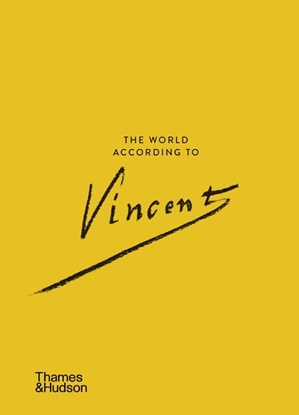
The World According to Vincent van Gogh
"I believe that at present we must paint nature's rich and magnificent aspects; we need good cheer and happiness, hope and love." — Vincent van Gogh
Vincent van Gogh's letters to his brother Theo form what is perhaps the most frank and unique body of artists' correspondence ever written—one that offers a rare insight into Van Gogh’s mental turmoil and artistic motivations. His descriptions of everyday concerns are interspersed with highly intense passages, beautiful sentences, and wise words on subjects such as ambition, love, loneliness, and his battle with mental illness. These surprising, melancholy, and sometimes funny comments continue to inspire and console many people today, some 130 years after he wrote them.
This selection of Van Gogh's most beautiful quotations unites his exceptional and touching words with reproductions of his much-loved artworks. They convey the same kind of recognition and emotion that he sought to achieve with his art. He was eager to reach other people and to mean something to them—but he could never have suspected that through his immense talent for capturing personal experiences, ideas, and feelings in evocative and appealing language, that he had genuine life lessons to offer us. "There are so many people . . . who imagine that words are nothing. On the contrary, don't you think, it's as interesting and as difficult to say a thing well as to paint a thing. There’s the art of lines and colors, but there's the art of words that will last just the same."
Lees meer
The World Atlas of Street Art
Since its genesis on the East Coast of the United States in the late 1960s, street art has travelled to nearly every corner of the globe, morphing into highly ornate and vibrant new styles.
This unique atlas is the first truly geographical survey of urban art, revised and updated in 2023 to include new voices, increased female representation and cities emerging as street art hubs.
Featuring specially commissioned works from major graffiti and street art practitioners, it offers you an insider’s view of the urban landscape as the artists themselves experience it.
Organized geographically, by continent and by city – from New York, Los Angeles and Montreal in North America, through Mexico City and Buenos Aires in Latin America, to London, Berlin and Madrid in Europe, Sydney and Auckland in the Pacific, as well as brand new chapters covering Africa and Asia – it profiles more than 100 of today’s most important artists and features over 700 astonishing artworks.
This beautifully illustrated book, produced with the help of many of the artists it features, dispels the idea of such art as a thoughtless defacement of pristine surfaces, and instead celebrates it as a contemporary and highly creative inscription upon the skin of the built environment. Lees meer
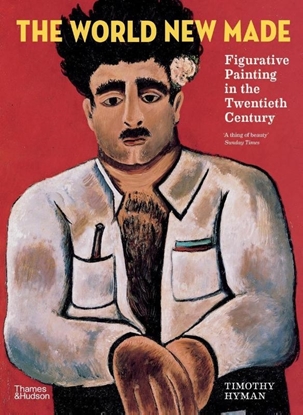
The World New Made


Toyism, making history
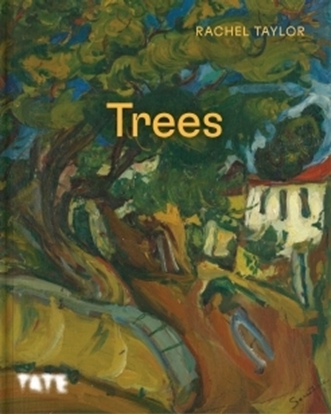
Trees in Art
‘The tree which moves some to tears of joy is in the eyes of others only a green thing that stands in the way.’ – William Blake
Full of life and beauty, trees are one of the most enduring and beloved subjects of art and have provided a rich source of inspiration for some of the most important artists of the recent past. From cave art and historical landscape painting to land art and contemporary environmental interventions, artists have used trees to communicate ideas that extend beyond the natural world and reflect on broader issues facing humanity. Indeed, in our advanced moment of climate crisis, the tree has taken on potent significance as a symbol for the natural environment. Trees have also provided the material for a range of artistic practices: wood for sculptures, bark and paper as a support for drawings and paintings.
Showcasing a wide range of works from around the globe and across time, this gift book will explore the tree as seen through the eyes of modern and contemporary artists. It will address the ways twentieth and twenty-first century artists have depicted trees and their cultural significance and explore how these imaginings have reflected changing attitudes towards ecology and environmentalism.
Lees meer
Turner
Turner's Last Sketchbook
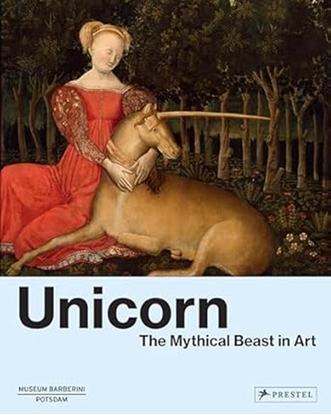
Unicorn
The unicorn has stimulated the imagination like no other animal. It has been documented in many cultures for centuries. Fascination with it continues to this day.
While it might have been appropriated as a cute toy or pop culture icon, the history of the unicorn as a symbol is profound and multi-layered— in Western and non-European art, in religion and mythology, in literature, natural science, and medicine.
Contributions by Adrien Bossard, Béatrice de Chancel-Bardelot, Barbara Drake Boehm, Séverine Lepape, Michael Philipp, Annabelle Ténèze and Stefan Trinks trace the unicorn back to the ancient world, to medieval manuscripts, altarpieces, sculptures, cabinets of curiosities, and tapestries.
Since the nineteenth century, artists such as Arnold Böcklin, René Magritte, and Rebecca Horn have rediscovered the mythical creature for themselves. For the first time, this publication presents a comprehensive summary of the unicorn’s artistic journey from the second millennium BCE to the present day, situating it in the context of art and cultural history. Lees meer

