
Kunstgeschiedenis

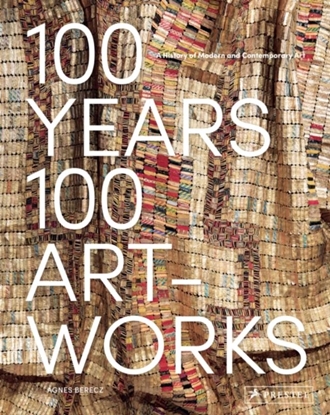
100 Years, 100 Artworks
Starting with Marcel Duchamp's 1919 whimsical, brilliant L.H.O.O.Q., this compendium offers a year-by-year tour of iconic paintings, photographs, sculptures, installations, and performance pieces from all over the world. The works are carefully selected to showcase a diverse range of artists. Read from cover to cover, this volume offers an evocative summary of stylistic trends, historic events, and technological innovations that changed art over the past 100 years. Opening the book to any random page will illuminate a singular perspective and aesthetic delight. Each work is impeccably reproduced and presented in double-page spreads alongside informative and engaging texts. From Georgia O'Keeffe and Man Ray to Kara Walker and Ai Weiwei, this unique survey will both satisfy and surprise art lovers everywhere. Lees meer
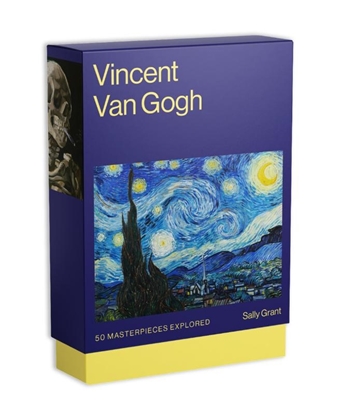
50 MASTERPIECES EXPLORED Vincent van Gogh
Vincent Van Gogh: 50 Masterpieces Explored is a stunning collection of 50 cards featuring some of the most iconic paintings of this legendary artist.
Each card explores a different masterpiece in intricate detail, offering a deep dive into Van Gogh’s creative process, artistic technique, and personal life.
From the vibrant swirls of Starry Night to the delicate blooms of Almond Blossom, these cards offer a unique perspective on the life and work of one of the greatest artists of all time.
Whether you’re an art lover, a Van Gogh aficionado, or simply looking for a beautiful and informative deck of cards, Vincent Van Gogh: 50 Masterpieces Explored is sure to captivate and inspire. Lees meer
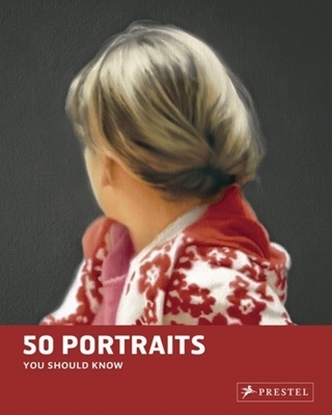
50 You Should Know Portraits

A Bigger Message
David Hockney is possibly the world’s most popular living painter, but he is also something else: an incisive and original thinker on art.
This now classic book details the fruits of his lifelong meditations on the problems and paradoxes of representing a three-dimensional world on a flat surface. How does drawing make one "see things clearer, and clearer, and clearer still," as Hockney suggests? What significance do different media—from a Lascaux cave wall to an iPad—have for the way we see? What is the relationship between the images we make and the reality around us? How have changes in technology affected the way artists depict the world?
The conversations in this volume with writer and art critic Martin Gayford are punctuated by wise and witty observations from both parties on numerous other artists—Van Gogh or Vermeer, Caravaggio, Monet, Picasso—and enlivened by shrewd insights into the contrasting social and physical landscapes of California, where Hockney lived for many years, and Yorkshire, his birthplace. Some of the people he has encountered along the way—from Henri Cartier-Bresson to Billy Wilder—also make entertaining appearances in the dialogue.
Lees meer
A Garden Eden
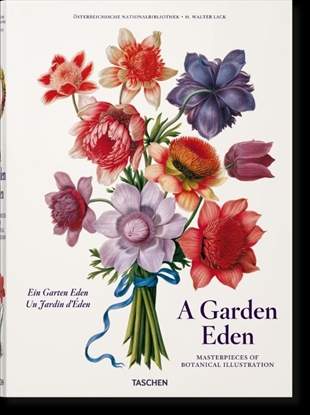
In pursuit of both knowledge and delight, the craft of botanical illustration has always required not only meticulous draftsmanship but also a rigorous scientific understanding. This new edition of a TASCHEN classic celebrates the botanical tradition and talents with a selection of outstanding works from the National Library of Vienna, including many new images.
From Byzantine manuscripts right through to 19th-century masterpieces, through peonies, callas, and chrysanthemums, these exquisite reproductions dazzle in their accuracy and their aesthetics. Whether in gently furled leaves, precisely textured fruits, or the sheer beauty and variety of colors, we celebrate an art form as tender as it is precise, and ever more resonant amid our growing awareness of our ecological surroundings and the preciousness of natural flora.

A History of Pictures

A History of Pictures

A History of Portraits in 21 Dogs
Join man’s best friend on a walk through art history.
From ancient Egyptian busts to 1960s screenprints, portraiture is an historic art form beloved of painters, sculptors and photographers alike. A History of Portraits in 21 Dogs offers a fun, unique guide to this fascinating genre, with 21 of the most important and recognizable masterpieces recreated with dashing dog subjects. Each reimagined artwork is accompanied by information about the original artist and portrait, as well as a bitesize, illustrated breakdown of all the key elements of the piece.
Perfect for dog lovers and art fans everywhere, A History of Portraits in 21 Dogs is illustrated by art-lover and animal enthusiast Nia Gould and makes an imaginative companion to feline favourite A History of Art in 21 Cats.
A Perpetual Journal Practice
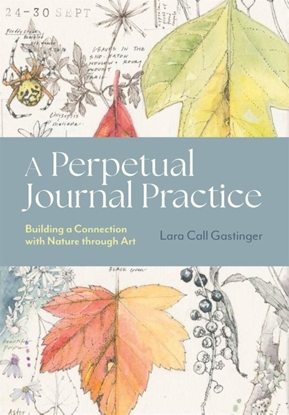
Botanical artist Lara Call Gastinger has made it her mission to teach artists and nature lovers worldwide how to keep a nature-focused perpetual art journal, holding sold out workshops and classes in person, as well as going live on Instagram every Monday morning to inspire and guide the efforts of her devoted followers and practicing artists of all skill levels. Now through this gorgeous, encouraging book, with a thoughtful foreword by trusted and beloved author and ecologist Doug Tallamy, Lara guides readers, nature lovers, and artists through this rich and mindful practice, further illuminated by a breathtaking, up-close-and-personal look into 52 of her own full-page journal spreads, lovingly built over many years.
From how to number each page spread in a fresh, blank journal, to tips on bringing those blank pages to life, to soothing the concerns of those who are unsure they can connect in such a way with their natural environments or their own power of expression, A Perpetual Journal Practice is a powerful book for naturalists seeking a deepened and more personal understanding of nature, artists seeking to improve their skills, and those seeking to heal and grow in all the green spaces. Lees meer



Abstract Art
While it is considered by many artists to be a pure and simplistic form of expression, abstract art is also often thought of as vague or exceedingly theoretical. This installment in the Art Essentials series demystifies the concept and history of abstraction, taking the reader on a journey that spans the globe and examines the pioneering artists of the last century who advanced abstraction with their work and changed in the process.
Weaving together narratives of familiar artists with fascinating accounts of lesser-known figures, author Stephanie Straine follows the history of abstraction from its multifaceted beginnings in Europe through its appearance and transformation during global constructivist, abstract expressionist, and minimalist movements. This book showcases a diverse spectrum of global artists and provides insight into abstraction in the digital age, analyzing historical debates about the abstract through the works of contemporary artists such as Julie Mehretu, El Anatsui, and Rana Begum.
With her lively and illuminating discussion, Straine offers a much-needed, straightforward introduction to abstraction and reveals the wide range of philosophical, political, and visual theories that have shaped this essential art form.
Lees meer
