Kunstgeschiedenis
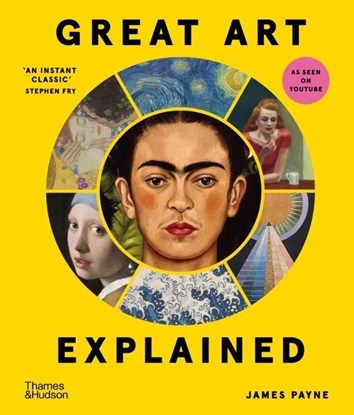
Great Art Explained
"James Payne's YouTube Channel "Great Art Explained" gained a huge and appreciative worldwide audience. This beautifully put-together book is simply the best introduction to the lifelong pleasure and rewards of looking at pictures since Gombrich. An instant classic." — Stephen Fry
Based on the popular and enormously successful YouTube channel of the same name, Great Art Explained unveils the fascinating stories behind some of the world's most iconic paintings and sculptures, proving that there's more to art than just watching paint dry.
Art can be thrilling, and resonate on a deep personal level. It is how you view the work, place it in context and understand its history that makes an artwork truly come alive.
A fresh approach to a classic subject, James Payne's no-nonsense analysis sheds new light on 30 masterpieces from around the globe and reveals what makes them truly timeless works of art.
Each chapter delves into not only the art itself but also the artist's life, as well as the work’s place in their wider oeuvre; in other words, what makes it "great."
From Hilma af Klint's occult altarpieces to Claude Monet's Water Lilies, Botticelli's The Birth of Venus to Georgia O'Keeffe's Jimson Weed, each artwork is explored with clarity and passion.
Whether a seasoned art enthusiast or a curious newcomer, this book promises to deepen your appreciation and enrich your understanding of some of the world's greatest treasures.
Lees meer

Greek and Roman Art
For more than two thousand years the art of Greece and Rome has been hugely influential throughout the Western world. This book recaptures the passion and inspiration that first drove ancient artists to create the art that continues to captivate us to this day. It traces the daring innovations of those who, defying traditional wisdom, explored new ideas; it describes the noble struggles of sculptors and painters to portray both the complexities of the human form and the richness of human emotions.
In Greek and Roman Art, classical art expert Susan Woodford illuminates the achievements of classical art and architecture in a concise, coherent breakdown of styles from Archaic Greece to the Roman Empire. Intelligent, clear, and compelling, this indispensable guide gives readers all the information they need to approach ancient art with confidence.
Lees meer
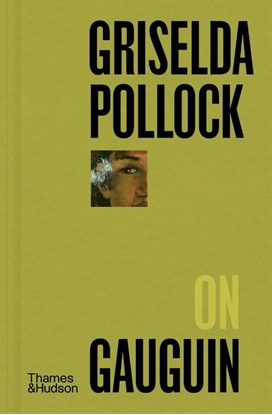
Griselda Pollock on Gauguin
Acclaimed feminist art historian Griselda Pollock dismantles the racist, sexist and imperialist underpinnings of works by Paul Gauguin and others as they competed for pre-eminence in the European avant-garde of the 1880s and 1890s. First delivered as a lecture in 1993, long before decolonizing and decentering the field of art history became an urgent clamor in art historical readership, this essay remains a powerful and ever-relevant riposte to mainstream art historical narratives.
Through a thorough textual and social reading of Gauguin's 1892 painting of hisTahitian wife, Manao Tapapau, Pollock proposes a new theory about the avant-garde asa series of gambits, a game of reference, deference and difference. Pollock's intersectional reading of these avant-garde works reveals how race and gender colored the colonial imaginary and exposes the way in which racist discourse structures art and art history. By posing questions of cultural, sexual, and ethnic difference, Pollock endeavors to make us all self-critical, not only in regard to the gender, but also the color of art history.
Lees meer
Gustav Klimt
Gustav Klimt
Gustav Klimt: 50 Masterpieces Explored is a dazzling collection of 50 cards exploring the masterpieces of one of the most celebrated artists of all time.
From the shimmering golds and rich hues of The Kiss to the intricate patterns of The Tree of Life, each card showcases the beauty and complexity of Klimt’s style. Through detailed analyses of each painting, you’ll gain a deeper understanding of Klimt’s techniques, symbolism, and life story, and how they influenced his art.
Whether you’re an art lover, a Klimt aficionado, or simply looking for a beautiful and informative deck of cards, Gustav Klimt: 50 Masterpieces Explored is sure to captivate and inspire. Lees meer
Gustav Klimt
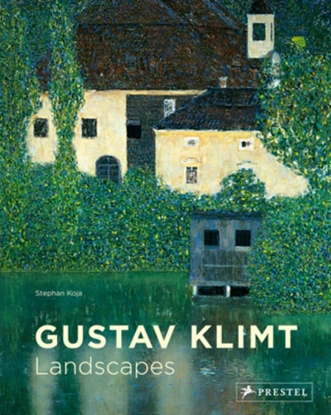
Gustav Klimt: Landscapes
While Gustav Klimt is largely revered for his opulent, symbolladen portraits of the Viennese bourgeoisie, these works were just one aspect of his artistic expression. His landscapes represent an important facet of his career and are a valuable contribution to the school of European nature painting. For many years the artist travelled to the Austrian and Italian countryside during the summer, where he took advantage of the extraordinary light and spectacular hues to paint and sketch landscapes. Among the most exquisite of Klimt's landscapes are those in which he experimented with composition and style. Accompanied by scholarly essays, the images reproduced in this book comprise all extant landscapes from this brilliant artist, proving that his mastery extends beyond portraiture and revealing themes that appeared throughout his life's work. Lees meer
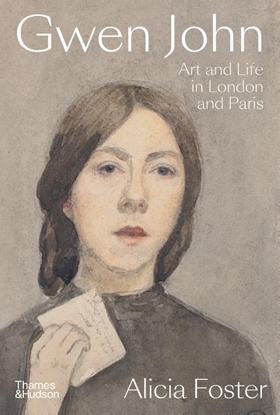
Gwen John
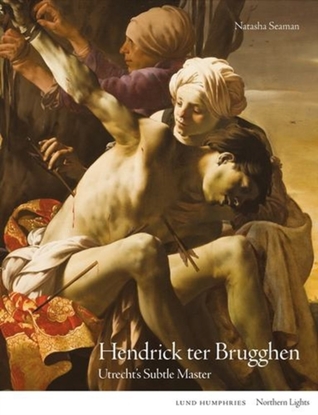
Hendrick ter Brugghen
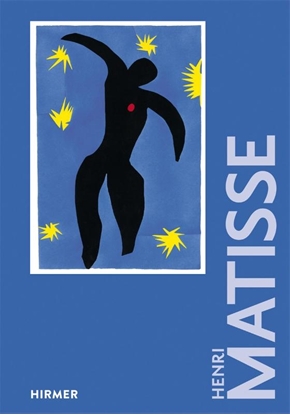
Henri Matisse

Het moedermodel